
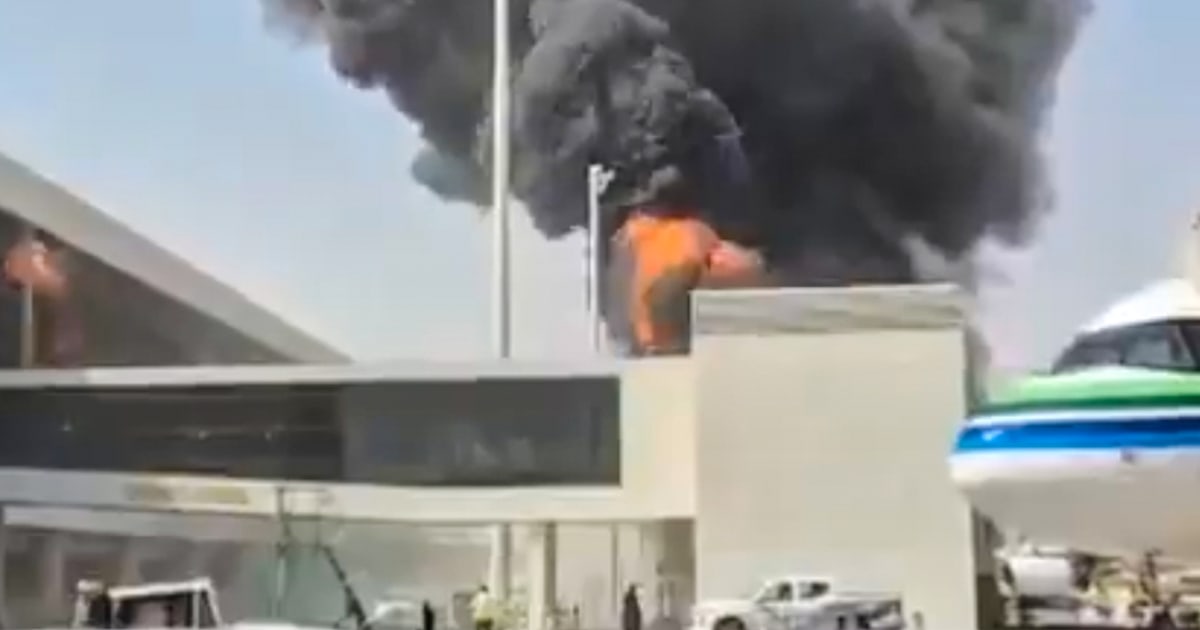
The recent missile strike on King Khalid International Airport in Riyadh marks a significant escalation in tensions in the Middle East, raising critical questions about U.S. involvement in the ongoing conflict. This devastating attack has evoked international condemnation and intensified the pressure on Saudi Arabia and its allies to confront the Iran-supported Houthi rebels. As the deadliest attack in the region in a decade, it further complicates an already volatile situation.
Attack Overview
On Saturday, a missile targeted Riyadh’s main international airport, killing at least 12 individuals and injuring over 300. Among the victims were a U.S. citizen and nationals from various countries, including Saudi Arabia, Bangladesh, Egypt, Jordan, Palestine, Syria, and Sudan. Reports indicate that some of the injured remain in critical condition, leading to the suspension of airport operations the following day. While Saudi leaders attributed this attack to the Houthis, the group has not taken immediate responsibility, although they have warned against approaching Saudi airports.
Global Reactions and Implications
The assault has triggered widespread condemnation globally, with officials from the United States and allied nations pointing fingers at the Houthis. President Donald Trump indicated that the attack might compel the U.S. to become involved in military actions against the rebels, signaling a potential shift in American foreign policy in the region. Just weeks ago, the U.S. had launched a bombing campaign aimed at thwarting Houthi attacks on shipping routes through strategic waterways.
In the wake of these events, experts suggest that America stands at a crossroads as it considers possible military operations. Fawaz Gerges, a professor of International Relations, doubts the efficacy of military solutions in Yemen, emphasizing the Houthis’ growing determination to continue fighting. He described the group’s strategies as becoming increasingly sophisticated, heightening concerns for regional stability and security.
Escalating Conflict and Regional Alliances
As the conflict continues to unfold, Saudi Arabia has been seeking assistance from allies like Pakistan, Turkey, Syria, and Egypt. The overwhelming attack follows a collapse of a ceasefire in July, prompting renewed Saudi military efforts against Houthi positions in Yemen. This escalation poses a broader threat not only to the kingdom but also to international trade, particularly along crucial shipping routes like the Bab el-Mandeb Strait.
Experts have called for increased support from the U.S., suggesting that military backing does not necessarily need to be direct. Instead, sharing intelligence and defense technology against Houthi drone and missile attacks could empower Saudi Arabia to defend itself more effectively. The urgency for collaboration has been echoed by multiple nations, stressing the need for a united front against the growing threats in the region.
Given this rapidly evolving situation, it is crucial for both regional and global players to reassess their strategies. The balance of power in the Middle East hangs precariously as nations weigh their responses to the Houthi advances, and the implications for global markets could be substantial. With rising fuel prices already impacting economies worldwide, the stakes have never been higher for decisive action and clear strategies to restore stability in this critical region.