
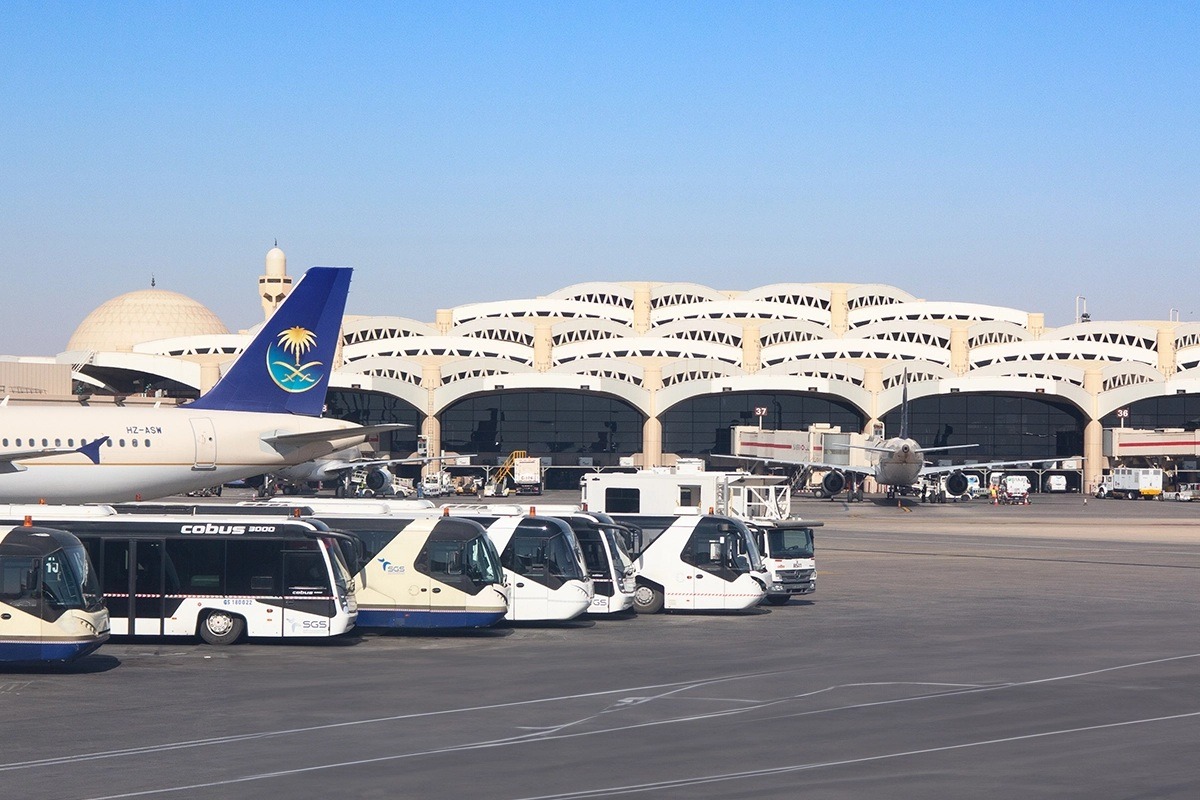
On Sunday, Saudi Arabia’s General Authority of Civil Aviation reported an increase in the casualties from the recent attack at King Khalid International Airport in Riyadh. The toll now includes 12 fatalities and 309 injuries, underlining the severity and impact of the incident on both individuals and the broader community.
Details of the Attack
The attack occurred on a Saturday afternoon and has tragically resulted in the loss of 12 lives. Among the deceased are four Saudi nationals and eight expatriates from various countries. Such a diverse set of nationalities highlights the international presence at one of the nation’s key airports. The Authority has made it clear that assessments of the material damage caused by the attack are still underway.
Profile of the Victims
The victims’ profiles reflect a mix of cultures and backgrounds. Those identified include two Bangladeshi residents, an American national, an Egyptian flight attendant, a Jordanian, a Syrian, a Palestinian, and a Sudanese national. This tragic loss emphasizes the global connections that exist within the Kingdom and the far-reaching impact of such violent incidents. It paints a human picture of the attack, reminding us that behind the numbers are real people with families and lives cut short.
Injuries and Ongoing Care
The attack injured 309 individuals, many of whom are currently receiving essential medical treatment in various hospitals. According to reports, some of these injuries are categorized as critical, necessitating urgent medical attention. The Saudi General Authority of Civil Aviation has assured the public that qualified medical personnel are closely monitoring the conditions of the injured and providing necessary care. This commitment to health and wellbeing underscores the authority’s dedication to the affected individuals and their families during this distressing time.
Continuous Monitoring and Future Assessments
As the situation develops, competent authorities are actively involved in monitoring not just the health conditions of the injured but also the ongoing evaluation of the incident’s broader implications. The extent of the material damage is also being assessed, indicating a thorough approach to understanding the full impact of the attack.
In conclusion, the attack at King Khalid International Airport has left a significant mark on the community, claiming lives and injuring many. The response from the General Authority of Civil Aviation has been prompt, focusing on both public safety and the welfare of those affected. The international response to this tragedy will be crucial as the Kingdom seeks to reaffirm its commitment to security and stability within its borders. As investigations continue, it is evident that each individual impacted by this event carries a story of loss and resilience.