
Iraq is currently facing significant upheaval over the recent adjustment of the U.S. dollar exchange rate. This controversial decision, enacted by the government, has sparked widespread debate and legal challenges, with various political figures voicing their opposition.
Background of the Exchange Rate Adjustment
On October 6, the Iraqi Cabinet approved a resolution to modify the exchange rate, following an urgent recommendation from the finance minister and the Central Bank of Iraq (CBI) governor. Under this new policy, the dollar is priced at 1,500 dinars for purchases from the Finance Ministry, 1,510 for sales to banks, and 1,520 for the public. This shift marks an increase that has caused substantial backlash, raising the overall user rate by 20,000 dinars per $100 from the previous rate of 132,000 dinars. Before this decision, speculation about a potential devaluation had pushed the parallel-market rate up to approximately 165,000 dinars per $100.
Legal Challenges and Political Reactions
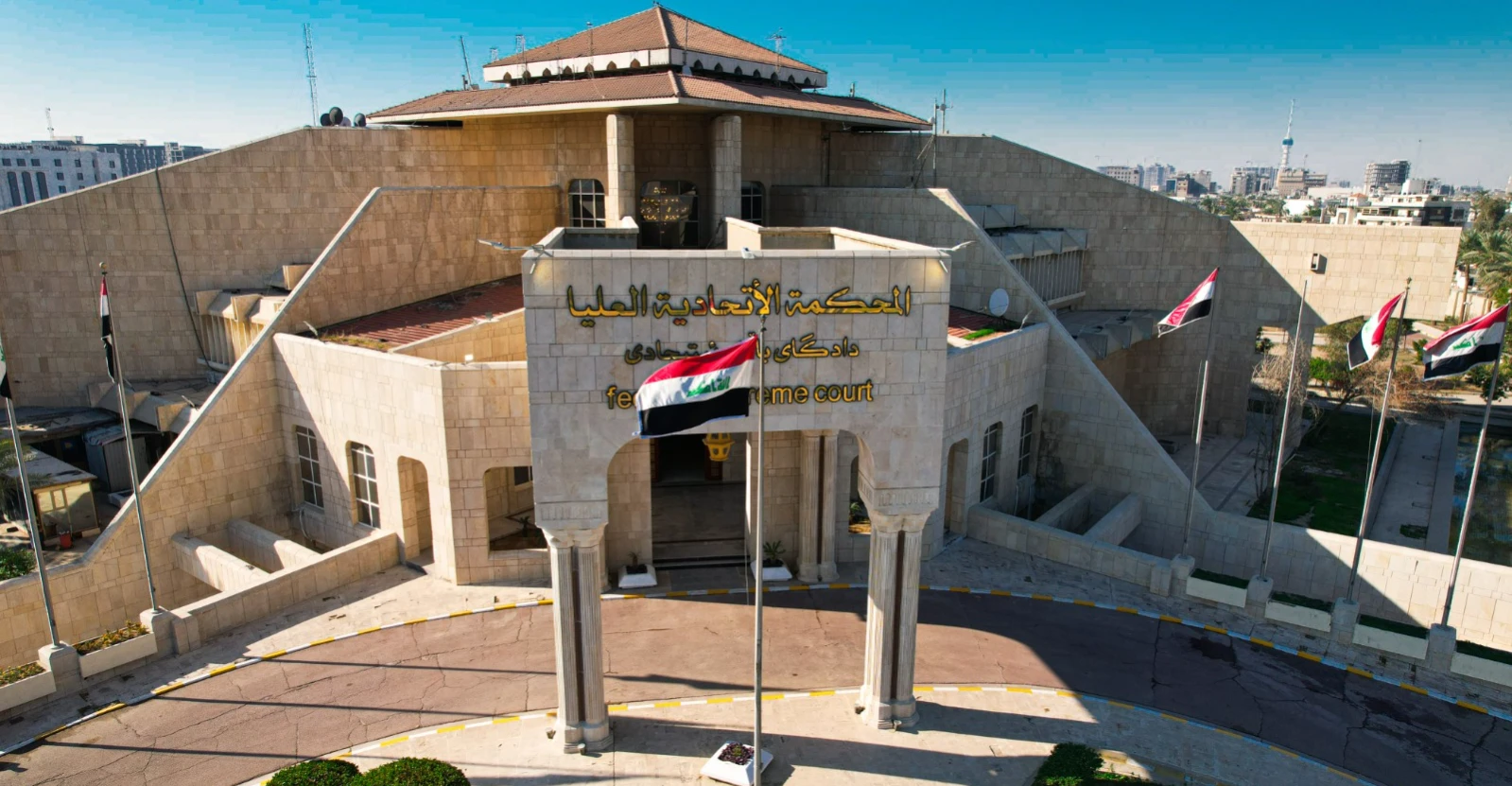
In a significant development, Su’ud Al-Saadi, the leader of the Hoqooq (Rights) parliamentary bloc, filed a formal legal challenge against the government’s decision, addressing the case to Iraq’s Federal Supreme Court. He announced that the court had accepted the filing and would determine a hearing date soon. This legal action reflects a growing dissent among lawmakers who are increasingly concerned about how the new exchange rate impacts ordinary Iraqis.
Al-Saadi’s bloc has previously called for those adversely affected by the devaluation to contest the decision legally, indicating a strong push for accountability. The political climate has become charged, with various factions within Iraq calling for parliamentary sessions to address these economic changes. Many politicians assert that the decision disproportionately affects the population, escalating demands for economic reforms.
Government’s Stance on the Reforms
Prime Minister Ali Al-Zaidi informed parliament that the government faced three alternatives when considering the rate adjustment: enforcing compulsory savings, delaying salary payments every 45 days, or accruing additional debt. Al-Zaidi emphasized the necessity of these measures by highlighting that public debt in Iraq exceeds 208 trillion dinars, approximately $136.8 billion. He further specified that the government requires around 10 trillion dinars each month to maintain public services.
Despite the backlash, Parliament Speaker Haibet Al-Halbousi has indicated that the exchange-rate decision is unlikely to be reversed, asserting that it has been supported by political leaders in the country. This sentiment underscores the complexities involved in navigating Iraq’s economic landscape, where issues of fiscal responsibility clash with the immediate needs of the populace.
Conclusion: Looking Ahead
The ongoing debate surrounding the exchange rate adjustment in Iraq poses significant implications for the country’s economy and governance. As the Federal Supreme Court prepares to hear Al-Saadi’s legal challenge, stakeholders across the political spectrum continue to engage in discussions regarding the best path forward. All eyes will be on these developments as Iraq navigates the challenges arising from its economic policies, which hold the potential to impact international perceptions and domestic stability significantly.