
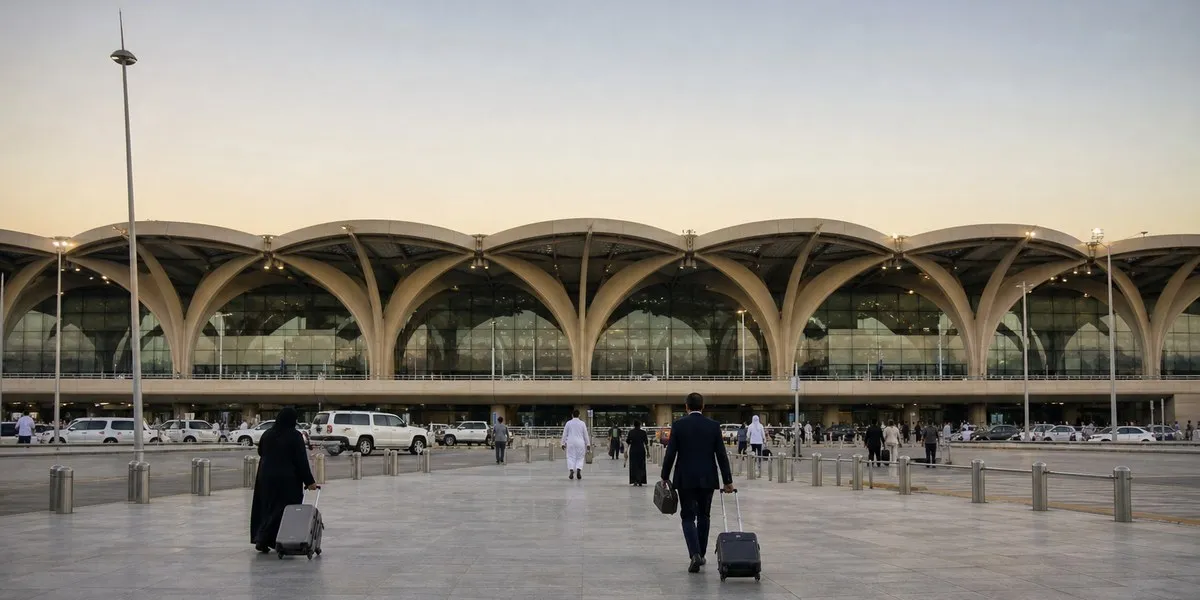
Saudi Arabia has announced an extension of the closure for King Khalid International Airport in Riyadh, which will continue until the week’s end. This decision follows a missile strike on the airport that resulted in the deaths of 12 individuals and left over 300 others injured. In an effort to ensure the safety of students, the capital’s schools will shift to online learning for the duration of the extended airport closure.
Details of the Incident
Reports indicate that the missile strike targeted the airport complex, specifically affecting terminals designated for domestic flights. Among the fatalities were four Saudi nationals, two from Bangladesh, as well as individuals from Palestine, the United States, Egypt, Jordan, Syria, and Sudan. The repercussions of this tragic event have led to numerous hospitals mobilizing to offer aid and medical support to the injured. One notable victim was Azza Ramzi, a 28-year-old flight attendant who worked for the Saudi airline, Flynas.
The airport restrictions will remain in place at least until Sunday evening, with additional evaluations expected as the situation develops. The Houthi rebel group, which has expressed intentions of targeting Saudi airports previously, did not formally claim responsibility for this incident. However, tensions remain high, and analysts are closely monitoring further developments.
Response from Authorities and Local Leaders
Yahya Saree, the spokesperson for the Houthi military faction, issued a warning, urging all parties to take their threats seriously. International response to the attack has been swift; leaders from Iraq, Lebanon, Syria, as well as U.N. Secretary-General António Guterres and European Commission President Ursula von der Leyen, condemned the attack.
In a related context, the Houthis also reported that Saudi airstrikes had targeted Yemen’s capital, Sanaa, on the same day following the airport incident, although Saudi officials have yet to respond to these claims. U.S. President Joe Biden is reportedly considering military options in conjunction with Saudi Arabia as tensions escalate between the two nations and the Houthi faction.
Future Implications
The extension of the airport’s closure and the transition to online schooling highlight the ongoing instability in the region. Travelers should remain aware of potential disruptions, and schools are advised to prepare for prolonged periods of remote learning if conditions do not improve.
The orchestrated attacks underline the serious implications for safety and security within the region, prompting a reevaluation of existing military strategies among international allies. Stakeholders from various sectors, including travel, education, and emergency services, are advised to stay informed and prepared for any further developments in this precarious situation.
As the situation unfolds, continued updates will be essential for those affected and those monitoring the region’s stability. The response from both local authorities and international partners will play a significant role in shaping future actions and maintaining regional safety.