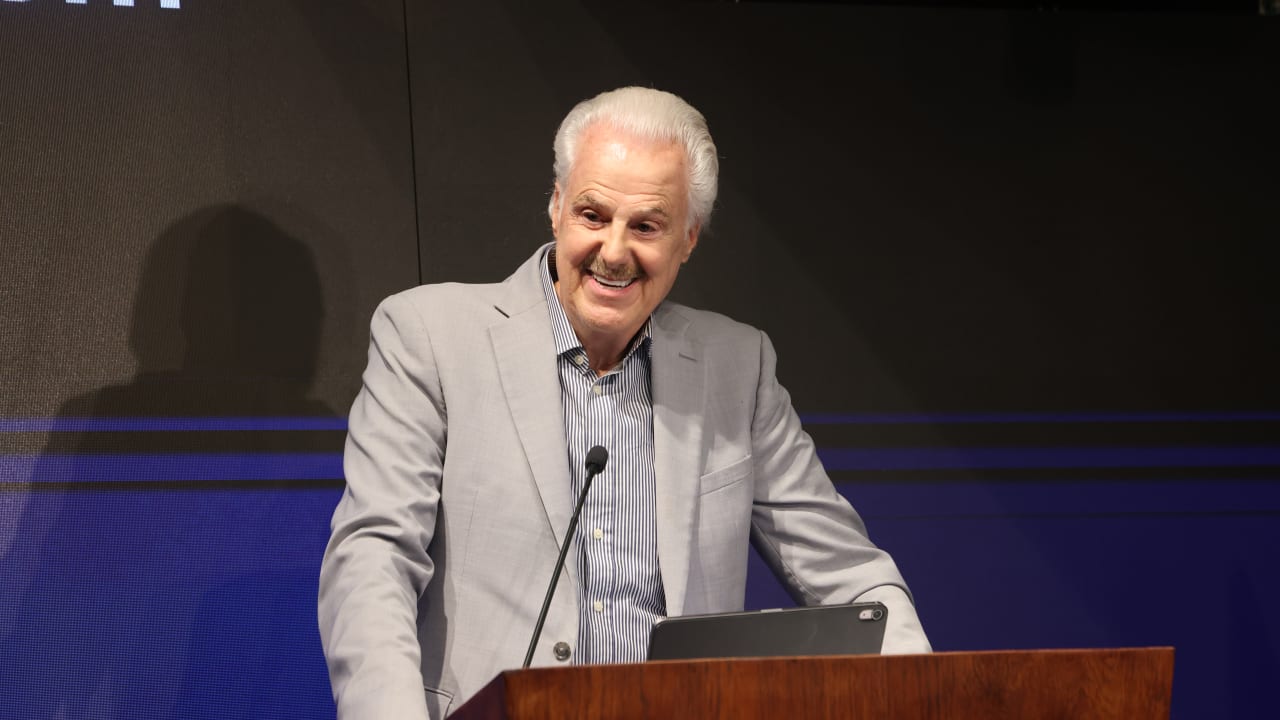
Israel may excel in military confrontations but faces challenges in swaying global public opinion, as highlighted by Mike Evans, founder of Friends of Zion, during a recent Jerusalem Post Diplomatic Conference. Evans emphasized the need for enhanced communication strategies to bridge the gap between Israel’s narrative and international audiences.
Innovative Approaches to Media Engagement
A notable step in this direction was a 24-hour broadcast collaboration with Foreign Minister Gideon Sa’ar, which garnered over 100 million social media mentions and reached audiences across 176 countries, including 18,000 Muslims in Saudi Arabia. This event was significant, as three major global networks broadcast it live alongside 11 others, broadening its outreach. Evans stated, “This is a new war. Israel is outstanding at military operations, but not as effective in the media battlefield.”
The Complexities of Peace Negotiations
Evans expressed skepticism regarding the land-for-peace framework, recounting a past meeting in Beirut with a man who claimed to be the “engineer” behind such agreements. This individual, a former CIA asset, equated protecting American interests with the exchange of Israeli territory for peace, stating, “I protect America, you grant us land—Israel’s land.” This anecdote highlights the complexities and often paradoxical nature of international relations and peace processes.
A Lesson from History
The intricate relationship between media representation and historical context cannot be overlooked. Evans pointed out that misconceptions fueled by media narratives have dire consequences, citing the tragic fate of six million Jews during the Holocaust. He remarked on how lies propagated within German churches led to complicity with the Nazi regime, culminating in the horror of the genocide, despite the pleas from Jewish communities. His poignant reminder serves as a call to understand the historical implications of media influence and its potential to shape perceptions.
Fighting for the Soul of a Nation
Evans concluded his remarks with the profound assertion that the Jerusalem Post’s mission extends beyond traditional journalism—it is a “battle for the soul of the nation.” He emphasized that these struggles are existential in nature, stating, “Demons don’t clear customs, and physical violence cannot eliminate ideological adversaries.” The implication is clear: winning hearts and minds requires a concerted effort to effectively communicate Israel’s story on the global stage.
In an age where information travels rapidly and shapes public perception, the challenge remains for Israel to navigate these waters effectively. With persistent efforts in media engagement, honest dialogue, and education about its historical narrative, Israel can strive to reclaim its narrative in the international arena. The need for strategic communication has never been more pressing, as the battle for global public opinion continues to evolve in today’s interconnected world.