
Saudi Arabia has reaffirmed its commitment to provide oil to both domestic and international markets, despite facing a wave of attacks on its capital, Riyadh. This declaration is essential for maintaining global energy stability in a time of geopolitical tensions.
Commitment from the Energy Minister
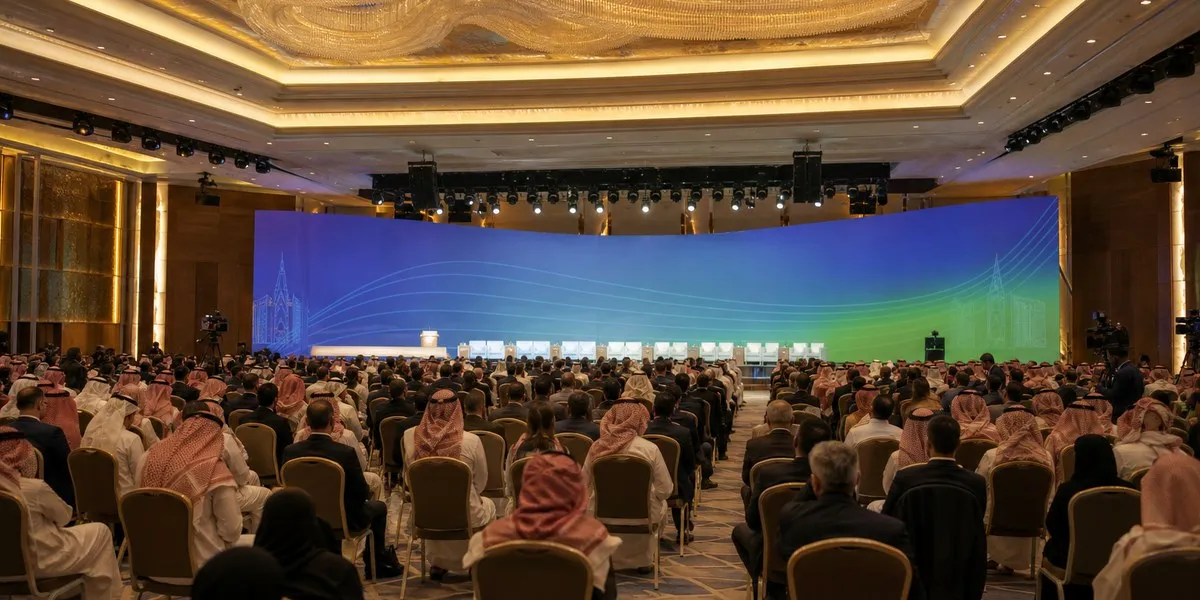
At a recent meeting of the International Energy Forum, Saudi Energy Minister Prince Abdulaziz bin Salman emphasized the kingdom’s determination to maintain its oil supply. Speaking at the WPC Energy Congress on October 12, he highlighted that the oil sector’s durability stems from years of strategic investments in storage capabilities, surplus production, and alternative export routes. He underscored that recovering from infrastructure disruptions swiftly requires not just robust technical systems but also skilled professionals in the industry. Such high-profile energy discussions continue to occur in Riyadh, illustrating the nation’s resilience in facing security challenges.
Aerial Attacks and Consequences
In the past week, King Khalid International Airport in Riyadh experienced multiple missile strikes, resulting in tragic losses. Reports indicate that a devastating attack on Saturday claimed 12 lives and injured over 300 individuals, while another strike on Sunday evening led to additional casualties. The Saudi-led coalition in Yemen attributed these assaults to Houthi forces, alleging that they receive backing from Iran. Such attacks raise serious concerns about regional safety and security, impacting not just local infrastructure but also broader international energy markets.
Impact on Oil Transportation
In addition to airport attacks, the Houthi forces have targeted key oil transport routes. In September, these assaults disrupted the East-West pipeline, crucial for moving oil from eastern production areas to the Red Sea port of Yanbu, circumventing the strategically sensitive Strait of Hormuz. As of October 6, oil transport volumes have rebounded to approximately 5.8 million barrels per day, nearing the pipeline’s capacity of around 7 million barrels. However, the ongoing security threats could pose further risks to these operations, underlining the vulnerabilities present in the supply chain.
Market Reactions Amidst Turbulence
Even with ongoing attacks, global oil prices have remained relatively stable. As of October 12, Brent crude was trading near $104 per barrel. The stability in prices signals that while the risks are evident, the market’s response highlights resilience in various sectors of the oil industry. Investors and analysts are closely monitoring the situation in Riyadh and its potential ramifications for oil supply chains worldwide. As events unfold, maintaining communication and updates about the energy sector will be critical for stakeholders at all levels.
In summary, Saudi Arabia’s determination to keep supplying oil amidst challenging conditions is crucial not only for its economy but also for global energy markets. As geopolitical tensions rise, the focus remains on the ability to adapt and ensure stability in the face of adversity.