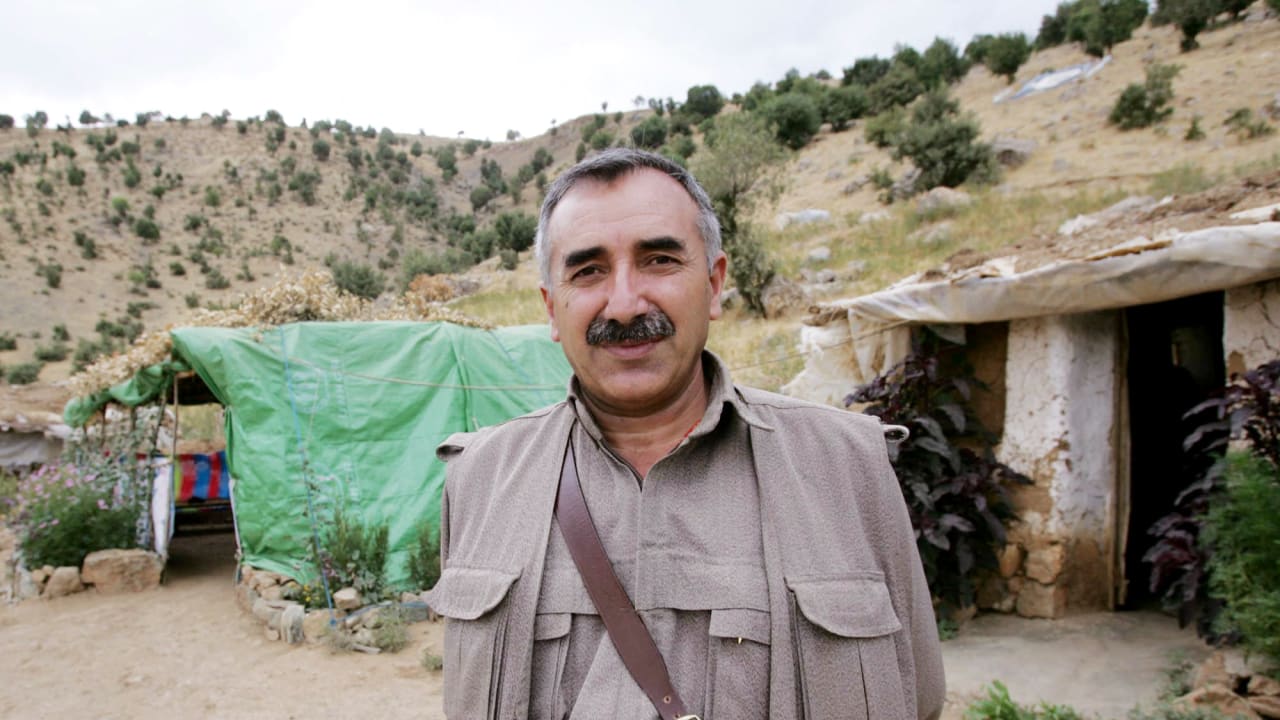
The Middle East is undergoing significant transformations, especially amidst claims of a “Third World War.” In a revealing interview with Kamal Chomani, Murat Karayilan, a prominent figure of the Kurdistan Workers’ Party (PKK), discussed the nature of this conflict. He described it as a global struggle manifesting regionally, emphasizing the sectarian tensions between Shia and Sunni Muslims, particularly involving Iran and the Arab Gulf states. His insights come at a critical juncture for Kurdish affairs, as the PKK approaches a potential disarmament process.
Insights from Murat Karayilan
Kamal Chomani, a PhD candidate at the University of Leipzig, captured a compelling interview with Karayilan, co-founder and current leader of the PKK. Published by the Amargi news outlet, which focuses on independent reporting in the Middle East and North Africa, the conversation emphasizes the ongoing challenges and aspirations within Kurdish politics. Chomani dedicated ten days in the PKK’s headquarters to formulate the dialogue that explored not only the wars reshaping the region but also a proposed peace process. Karayilan implored the Turkish state to embrace democratic solutions over violence, urging Kurds to aim for a peaceful, democratic state rather than rebellion.
Shifting Dynamics in the Region
The discussion between Chomani and Karayilan highlights how pivotal events, such as the Hamas attack in October, have altered the geopolitical landscape. These developments are not isolated; they resonate with broader shifts occurring in countries like Syria and Iraq. The interview was conducted shortly after U.S. forces withdrew from Iraq, marking a significant change in the power dynamics of the region. It underscores how interconnected these conflicts are, particularly for Kurdish forces like the Syrian Democratic Forces (SDF), composed significantly of the PKK-affiliated YPG.
Karayilan elaborates on the concept of a “global war,” elucidating a continuous conflict among capitalist forces vying for dominance, which includes the ongoing tensions in Ukraine. He argues that the Middle East remains a critical battleground for these competing interests, with the U.S. and its allies concerned about China’s ascendance. Furthermore, he critiques western imperialism, suggesting that rare earth elements and energy sources fuel the underlying hostilities in the region.
PKK’s Future and Political Landscape in Turkey
As the PKK prepares for potential disarmament, its future strategy is at the forefront of discussions. Karayilan emphasizes the necessity for greater democratic representation in Turkey and advocates for the release of the imprisoned PKK leader, Abdullah Ocalan. The Turkish government has shown some flexibility in negotiations, raising questions about their long-term intentions concerning Kurdish political representation.
The Kurdish electorate has played a crucial role in Turkey’s political landscape, with ruling parties historically vying for Kurdish support to bolster their standing. As the PKK and the Turkish state appear to move toward a resolution, observers are left to speculate how these dynamics might affect the opposition and the broader political fabric of the country.
In conclusion, this interview with Murat Karayilan serves as an essential lens through which to understand not only the complexities of Kurdish politics but also the broader geopolitical shifts in the Middle East. As the region navigates these realities, the path forward for the Kurdish movement remains pivotal, reflecting both aspirations for peace and the enduring challenges of warfare and political negotiation.