
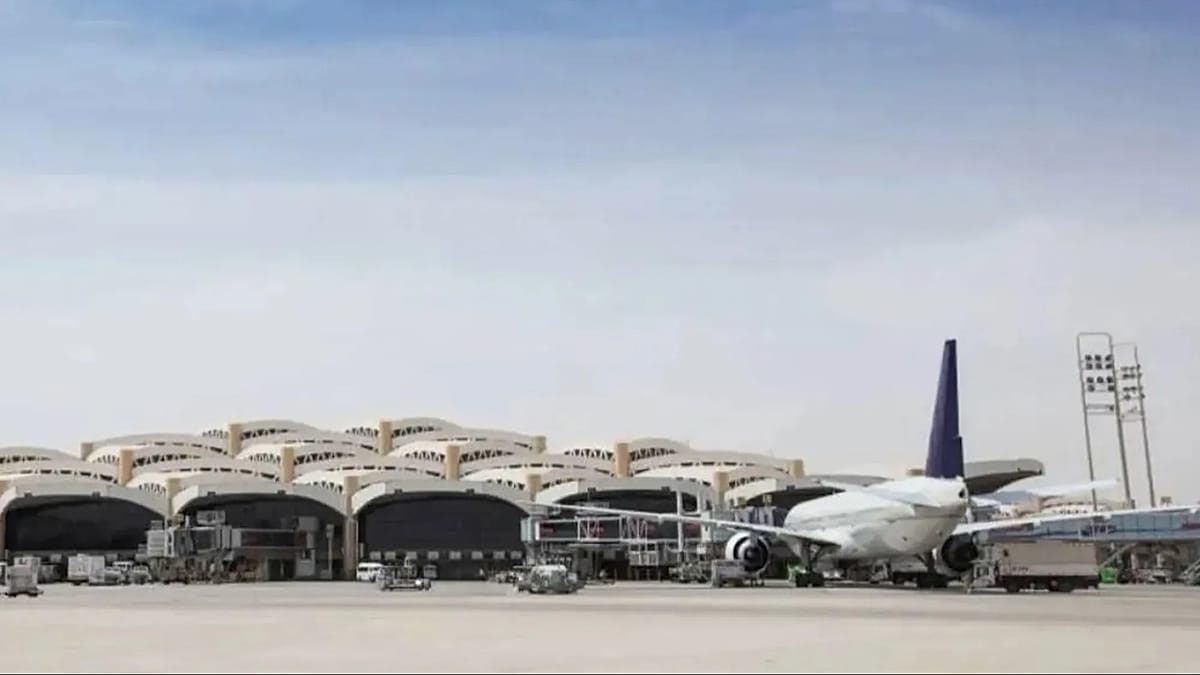
A senior official from the UAE has emphasized the urgent need for enhanced security and defense collaboration among Gulf nations. This call comes in the wake of a series of Houthi missile strikes in Saudi Arabia, which tragically resulted in the loss of 14 lives at Riyadh’s international airport over the weekend.
Urgent Call for Regional Defense
Anwar Gargash, the diplomatic advisor to the UAE president, has voiced strong concerns regarding the recent attacks, stating that they pose a significant threat not only to Saudi Arabia but also to the security of the UAE and other Gulf states. Gargash took to social media platform X to express that these acts of aggression highlight a collective vulnerability. He warned that “we are all targeted,” stressing the importance of a united front against such threats, and underscoring that Gulf security is a shared responsibility that necessitates immediate and cooperative action.
The missile assault on King Khalid International Airport resulted in 13 fatalities and injured over 300 individuals. Sadly, the death toll rose by one after an injured Indian national succumbed to their wounds on Sunday. Another attack the following day claimed the life of a Pakistani citizen and left 11 others injured, with the Houthi group taking responsibility for both assaults.
Support for Saudi Arabia has not been limited to the UAE; neighboring countries such as Turkey, Egypt, and Pakistan have publicly condemned the attacks. These nations backed Saudi Arabia’s right to defend itself, while also emphasizing adherence to the United Nations Charter and international laws. They collectively called for an immediate cessation of Houthi attacks, stressing the need for accountability regarding the violence.
The Energy Crisis and Its Global Implications
Qatar’s Energy Minister, Saad Sherida al-Kaabi, provided insight into the broader implications of the regional conflict, stating it has triggered what he referred to as “by far, the world’s worst energy crisis.” This turmoil has significant repercussions for the global oil and gas supply, affecting approximately 20% of the world’s energy resources. During the International Energy Forum in Riyadh, al-Kaabi expressed his condolences to the families of the victims and highlighted the extensive financial damage caused by attacks on regional energy sectors.
He urged the forum participants to explore strategies for protecting energy infrastructure, underlining that energy security should serve as a unifying force rather than a source of division. His remarks emphasized the critical need to safeguard energy supply lines amidst conflict.
Operational Challenges at Riyadh Airport
In light of the recent threats, Saudi Arabia’s General Authority of Civil Aviation announced an extension of the operational suspension at Riyadh’s airport while safety assessments were being conducted. The timeline for reopening remains uncertain, with significant disruptions already affecting travel plans. Data indicates that almost all scheduled flights were canceled on Sunday, and international airlines including Air France, KLM, and Lufthansa have either suspended operations or extended cancellations through the end of the month.
Moreover, the Saudi-led coalition reported that it is responding to a potential threat involving drones and cruise missiles, although specific targets or damage details were not provided. In Yemen, reports from the Houthi-run health ministry indicated airstrikes on the capital, Sana’a, resulted in casualties, blaming Saudi Arabia for the incidents, which the kingdom has yet to comment on.
As regional tensions escalate, the need for robust defense mechanisms, regional solidarity, and comprehensive energy security strategies have never been more pressing. The Gulf states find themselves at a crucial juncture, where collaborative efforts are essential to ensure stability and safety in an increasingly volatile environment.