
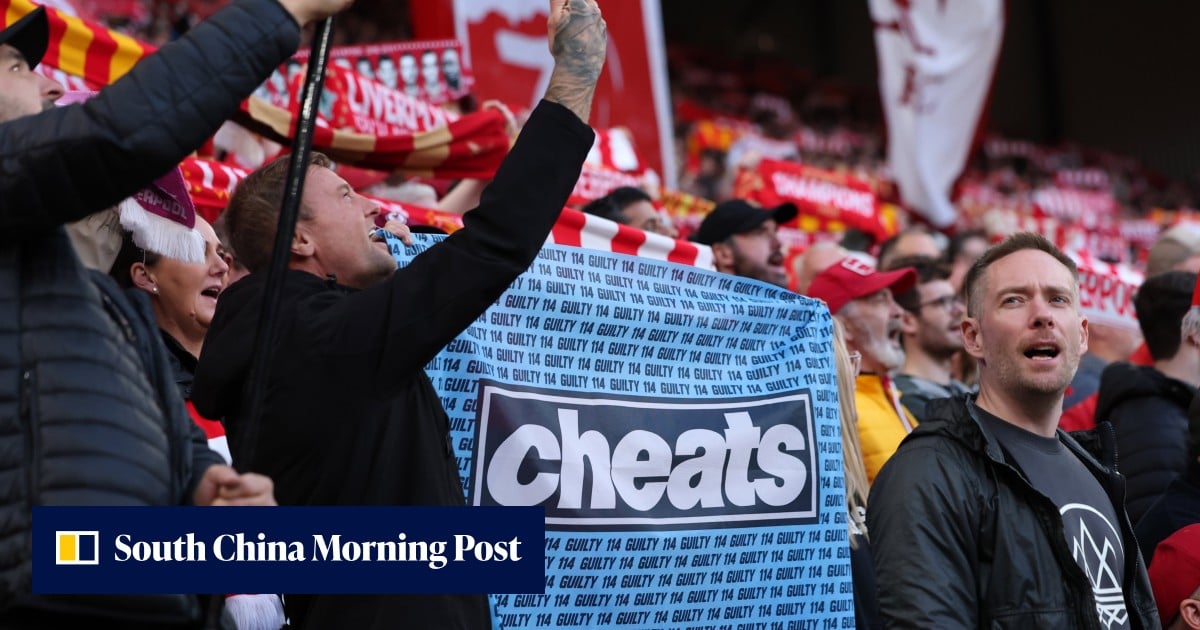
When Liverpool fans met Manchester City at Anfield, their jeers and banners sent a clear message: they wanted the Abu Dhabi-owned team to face relegation. This confrontation brought to light the controversial concept of “sportswashing,” where investments in sports are seen as a strategy to improve a tarnished international reputation. However, the issue extends far beyond mere public relations, revealing a complex web of high-stakes diplomacy and geopolitical economics connecting London and Abu Dhabi.
The Dark Side of Sportswashing
Sportswashing has become a term frequently associated with governments and entities looking to enhance their image through sports investments. Critics argue that owning high-profile football clubs provides an avenue for shifting public perception, particularly for nations with questionable human rights records. The acquisition by Sheikh Mansour bin Zayed al-Nahyan in 2008 is frequently cited as an example of this practice, where football serves as a platform for bolstering reputation.
Nevertheless, the acquisition of Manchester City presents a more complicated narrative. Simon Chadwick, a prominent expert in sports business and co-editor of The Geopolitical Economy of Football: Where Power Meets Politics and Business, holds that the takeover should not be dismissed simply as a branding initiative. Instead, it’s a nuanced strategy rooted in geopolitical interests that have played a significant role in the relationship between the UK and the UAE.
Geopolitical Implications of Football Investments
The dynamics of Sheikh Mansour’s takeover are underscored by what Chadwick describes as “intense diplomacy.” This partnership did not come about by mere chance; rather, it emerged from a backdrop of critical economic considerations. In 2008, when the global financial crisis loomed, the political and financial ties between London and Abu Dhabi became increasingly vital. The UAE’s strategic investments were instrumental in helping the UK navigate the turbulent economic landscape, showcasing that the influence of sports ownership goes far beyond the pitch.
Football clubs, therefore, can be seen as tools of diplomacy that hold significant power in international relations. The lucrative nature of the Premier League attracts foreign investments that can fortify a nation’s soft power, allowing countries like the UAE to expand their influence. The financial stakes and the resulting partnerships highlight how the world of sports is interwoven with geopolitical objectives, emphasizing that such acquisitions can serve economic and political ends rather than simply aiming for sporting success.
Conclusion: Beyond the Field
In essence, the Manchester City narrative illustrates how deeply sports intertwine with broader diplomatic and economic realities. While fans express discontent through chants and banners, the implications of sportswashing reach far beyond the world of football. It showcases a landscape where sport is not merely a game but a vehicle for strategic influence. As nations leverage sports investments for their geopolitical aims, understanding the intricate dynamics at play will become increasingly critical for fans and observers alike. The events at Anfield are just the tip of the iceberg in a much larger story that continues to unfold in the realm of international diplomacy and economic strategy.