
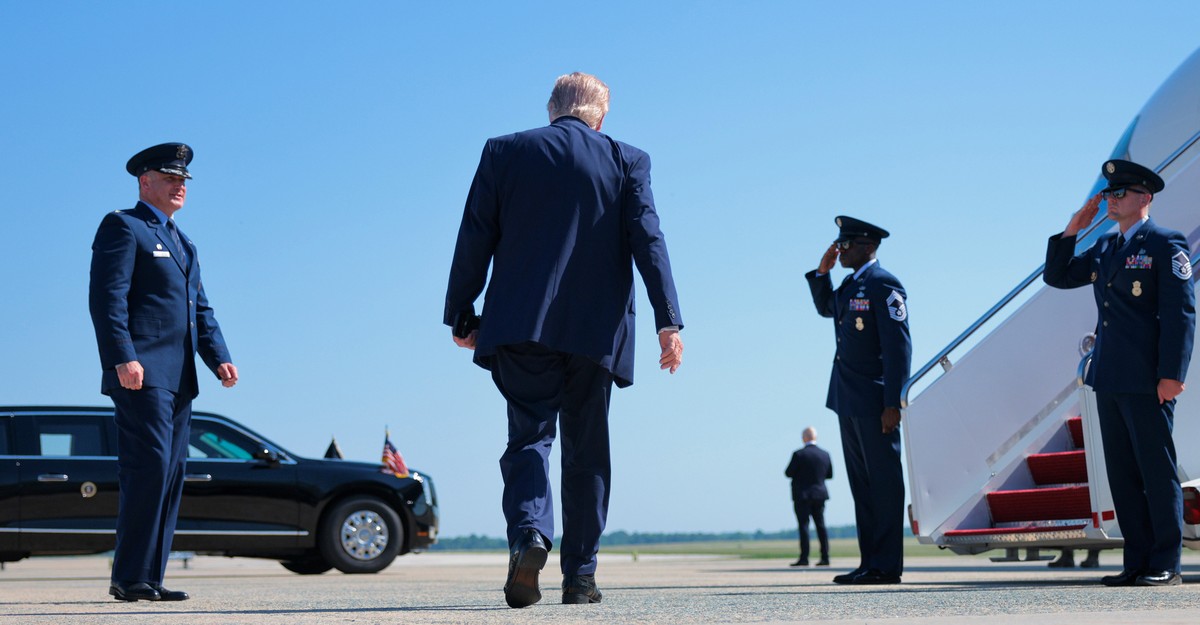
President Trump’s strategy concerning the ongoing Iran conflict is beginning to take shape, revealing a potential shift in U.S. foreign policy. Recent communications with Israeli Prime Minister Benjamin Netanyahu indicate that the U.S. is negotiating a “letter of intent” that could formally conclude hostilities with Iran. This arrangement is expected to initiate a 30-day negotiation window focused on Iran’s nuclear program and maintaining open access to the Strait of Hormuz. The looming evidence suggests that rather than intensifying military engagement, the U.S. is opting for a path of retreat—a strategy that may ultimately amount to a surrender.
Concessions and Calculated Moves
Since the armed confrontation escalated with the Iranian retaliation to Israel’s attack on a key gas production site, Trump has demonstrated a pattern of retreat. Initially, he called for a cessation of American and Israeli operations targeting Iran’s energy infrastructure, effectively signaling an end to active military engagement. Over the past months, Trump’s bellicose threats have been largely viewed as bluffs, with Iranian leaders assessing that further U.S. attacks would not materialize. Consequently, Iran has maintained a strong negotiating stance, demanding reparations, unrestricted uranium enrichment, and recognition of its control over critical waterways.
The current political landscape indicates that Trump’s latest appeal for negotiations could be interpreted as a concession in the face of Iran’s defiance. This admission of defeat may be exacerbated if the U.S. were to launch a limited military strike; such actions would likely be seen as mere theatrics rather than a genuine effort to escalate military engagement. With Iran given 30 days to recuperate and fortify its position, any conflict would likely skew in Iran’s favor.
The New Status Quo
In this 30-day timeframe, Iran has been consolidating its influence over the Strait of Hormuz. Reports show that Tehran is compelling nations to negotiate transit agreements, effectively normalizing its control. Iran’s strategy includes preferential arrangements for its allies, such as Russia and China, while restricting access for its adversaries. As nations like South Korea and Turkey begin to establish these agreements, the window for negotiation is rapidly narrowing for other global powers dependent on Middle Eastern oil.
The implications for international relations are far-reaching. With the U.S. signaling a decline in its willingness to reengage militarily, countries reliant on petroleum from this region will likely strive to secure favorable terms with Tehran quickly. This shift could unravel longstanding alliances, especially for those nations that have historically aligned with the U.S. and Israel. If the trend continues, the sanctions regime against Iran may disintegrate, enhancing its economic clout and further solidifying its role in the global energy market.
Future Implications for U.S.-Israel Relations
While Trump may hope to downplay the ramifications of these developments, the strategic setbacks for the U.S. are alarming—particularly for Israel. With Iran potentially emerging from the conflict in a stronger, more influential role, the dynamics of security in the region are set to change drastically. The interests of numerous wealthy nations could lead to a stark realignment, leveraging Iran’s newfound stature against Israel should any conflicts arise.
The question now is whether Israel will acquiesce to a diminished role and allow Iran to dominate regional negotiations. The strength gained by Iran can empower groups like Hamas and Hezbollah, disrupting any semblance of stability stemming from previous accords, including the Abraham Accords. As the situation develops, Israel may find itself increasingly isolated, even from the U.S., setting the stage for potential volatility.
In conclusion, the shift in U.S. policy towards Iran is poised to create a chronic state of instability in the Persian Gulf, with significant ramifications that could reshape alliances and redefine power dynamics. As Trump’s administration navigates this complex landscape, the broader implications for both regional and global stability remain uncertain.