
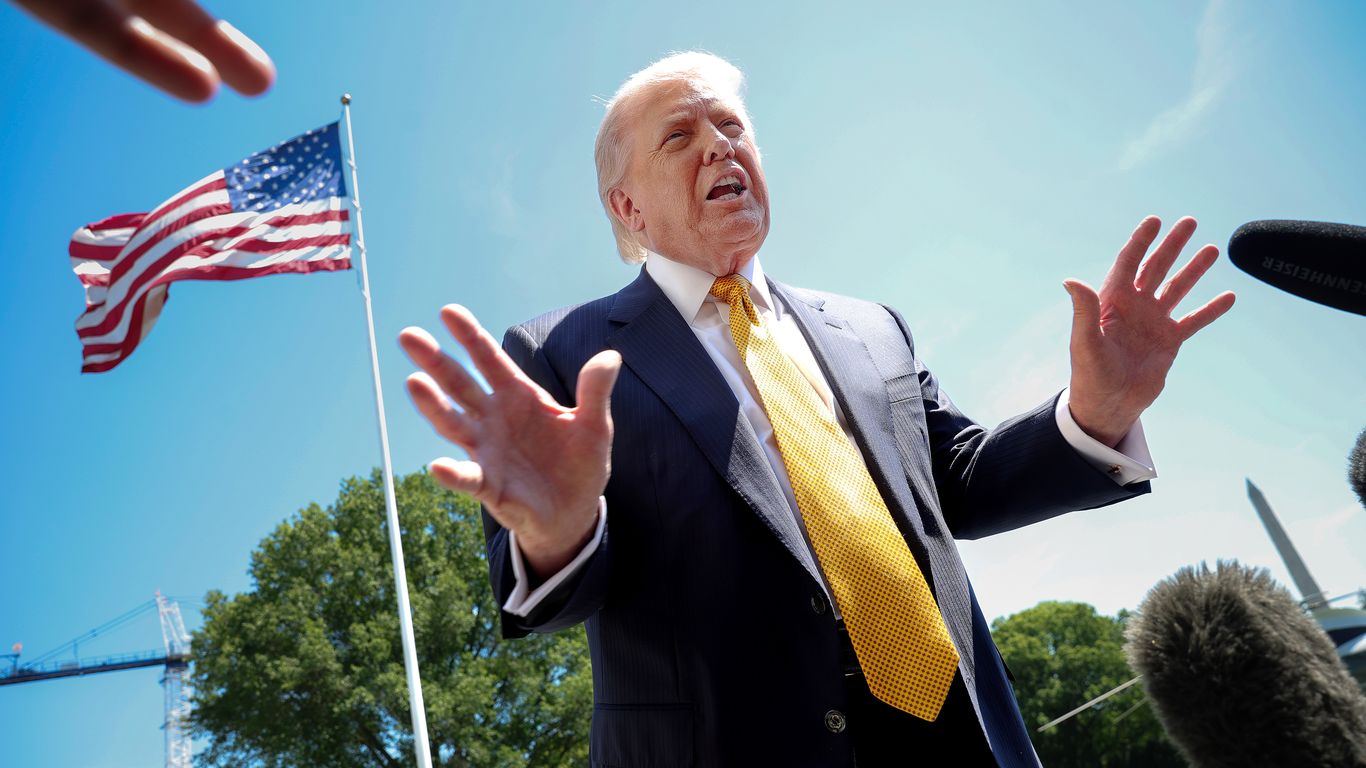
In a significant political development, Congress has made notable strides in addressing the contentious Iran war efforts initiated during the Trump administration. This moment could mark a pivotal turning point in the legislative approach to military engagement and foreign policy.
Congress Takes a Stand
The recent actions taken by Congress highlight a growing willingness among lawmakers to challenge executive authority when it comes to military decisions. For the first time, Congress effectively rebuked Trump’s aggressive stance towards Iran, signaling a shift in how legislative bodies may view their roles in matters of foreign conflict. This response reflects a broader sentiment among many Americans who are wary of prolonged military engagements without congressional approval.
Historically, the War Powers Resolution necessitates that any military action must receive congressional backing within a specified timeframe. However, the Trump administration often pursued military options in the Middle East with little to no legislative consultation. This has been a point of contention for many members of Congress, who believe it undermines the constitutional balance of power. By taking a stand against the Iran war initiative, Congress aims to reclaim its role in determining the country’s foreign policy direction.
The Implications of Congressional Action
The implications of Congress’s actions extend beyond immediate military concerns. By asserting its authority, Congress not only addresses the legality of ongoing military efforts, but it also sets a precedent for future administrations. This newfound assertiveness could encourage legislators to scrutinize other elements of foreign policy more closely, fostering a more collaborative approach to national security decisions.
Furthermore, this scrutiny may lead to increased public engagement in foreign policy discussions. Citizens tend to become more aware of military actions and their consequences when legislative bodies are actively involved. As Congress continues to evaluate military initiatives, voters will likely demand more transparency and accountability from their representatives. This pressure could help ensure that decisions made about foreign conflicts are in line with the interests and sentiments of the American public.
A Shift Towards Diplomatic Solutions
As Congress moves to rein in unilateral military actions, there is also a growing call for more diplomatic solutions to tense international relations, particularly with nations like Iran. Emphasizing dialogue over military confrontation could pave the way for more sustainable and peaceful resolutions to longstanding conflicts. Lawmakers increasingly recognize that military interventions often exacerbate existing tensions rather than resolve them.
Implementing diplomatic strategies relies heavily on robust congressional support. By promoting negotiations and fostering international partnerships, Congress can help reshape the narrative around U.S. foreign policy. This shift toward diplomacy may not only enhance relationships with other countries but also promote a sense of stability in regions often fraught with conflict.
In conclusion, Congress’s recent actions against the Trump administration’s Iran war efforts represent a crucial step in redefining the balance of power in U.S. foreign policy. With an emphasis on legislative involvement and diplomatic engagement, lawmakers may help steer the nation towards a more balanced and considerate approach to international relations. The implications of this shift could resonate for years to come, as both Congress and constituents seek to influence how America engages with the world.