
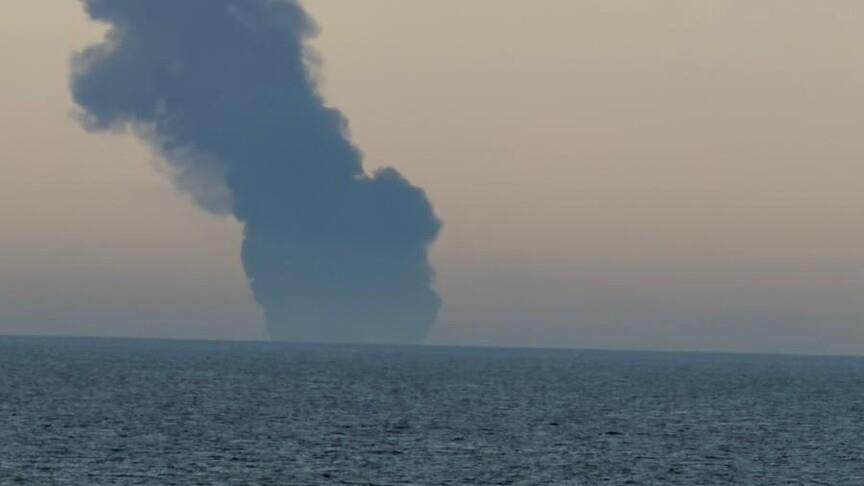
Tensions in the Strait of Hormuz have surged as the U.S. and Iran continue to grapple with their escalating conflicts. This critical maritime passage plays a pivotal role in global oil distribution, which makes the situation particularly concerning. The complexity of these relations, coupled with the international implications, has raised alarms among nations that rely on this vital route.
Understanding the Strait of Hormuz
The Strait of Hormuz is often referred to as the world’s oil lifeline. This narrow sea passage connects the Persian Gulf to the Arabian Sea and serves as a crucial conduit for approximately one-fifth of the global oil supply. Given its importance, any disruption in this region can have far-reaching economic consequences. Oil prices typically respond sharply to any signs of insecurity in the Strait, affecting markets worldwide.
Furthermore, the strait’s geography adds to its strategic value. It is surrounded by key countries, including Iran to the north and Oman to the south. With such a high volume of oil and gas tankers traversing this narrow corridor, control over the Strait becomes a matter of national security for many nations, particularly those heavily dependent on energy imports.
The Role of U.S.-Iranian Relations
The relationship between the United States and Iran has been fraught with tension for decades, characterized by hostility and a series of confrontations. Recent incidents in the Strait of Hormuz have brought these conflicts to the forefront, prompting heightened military presence and diplomatic efforts from the U.S. to secure safe passage for commercial vessels. The U.S. maintains that ensuring freedom of navigation is vital not only for their interests but for global economic stability.
Iran, on the other hand, views the U.S. presence in the region as an infringement on its sovereignty. The Iranian government has repeatedly emphasized its determination to defend its territorial waters. Increased Iranian naval activity in the Strait reflects their commitment to asserting control and responding to perceived threats, further complicating an already volatile situation.
The Economic Implications of Rising Tensions
As tensions rise in the Strait of Hormuz, the economic repercussions can be significant. Disruptions in the flow of oil can lead to price volatility, affecting not only producers but also consumers worldwide. Countries dependent on oil imports may face rising energy costs, impacting their economies. Analysts closely monitor the situation, as fluctuations in oil prices can ripple through various industries, including transportation, manufacturing, and even everyday consumer goods.
Additionally, businesses may reconsider trade routes or seek alternative supply chains if the strait remains unstable for an extended period. This could foster an environment of uncertainty in global markets, where investments may be hindered due to the perceived risks associated with maritime transport.
The Path Ahead
The path forward in managing the tensions in the Strait of Hormuz will require diplomatic finesse and multilateral cooperation. Stakeholders, including international organizations and regional powers, might need to engage in dialogue to prevent escalation. Ensuring that all nations can navigate these waters safely and freely is crucial for maintaining both regional security and economic stability.
In conclusion, the situation in the Strait of Hormuz exemplifies the intricate relationship between geopolitics and global economics. As U.S.-Iranian tensions persist, the implications extend beyond regional boundaries, influencing markets and industries around the world. It is imperative that diplomatic efforts continue to mitigate risks and foster an environment conducive to peace and cooperation in this vital maritime passage.