
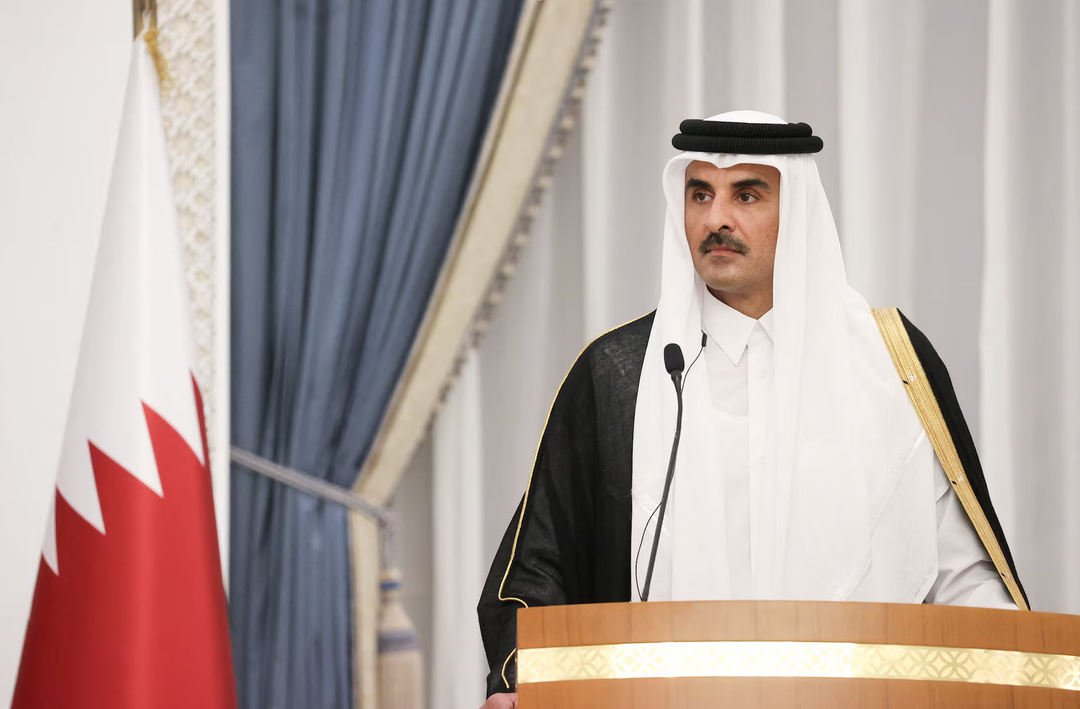
In the first half of 2026, Qatar experienced a significant drop in government revenues, which fell by 42 percent due to disruptions caused by the ongoing US-Israel conflict involving Iran. This situation has seriously impacted the nation’s gas exports and energy infrastructure, as highlighted by Emir Sheikh Tamim bin Hamad Al Thani during his address to the Shura Council in Doha.
Impact of the Crisis on Qatar’s Economy
The emir explained that the closure of the Strait of Hormuz, a critical maritime channel for energy shipping, coupled with damage inflicted on energy facilities in Ras Laffan Industrial City, has led to interruptions in the country’s export capabilities. “It is only natural that the crisis would have a negative impact on public finances, as the total revenues declined by 42 percent during the first half of the year,” he stated. This decline underscores the fragility of Qatar’s economy, which largely revolves around its energy sector.
Disruptions and Damage to Key Infrastructure
As the world’s second-largest exporter of liquefied natural gas (LNG), Qatar is among the Gulf states feeling the effects of this conflict the most. Iranian strikes have severely damaged infrastructure at the Ras Laffan facility, a crucial hub for the country’s gas production. The closure of the Strait of Hormuz has further complicated matters, as it is the only shipping route available for Qatar’s LNG exports. This perfect storm of challenges directly hampers the nation’s ability to maintain its energy exports, threatening long-term economic stability.
Future Prospects amid Current Challenges
Despite these setbacks, Sheikh Tamim reassured the council that Qatar’s plans for expanding its gas production capacity remain on track. He mentioned that even amidst the disruptions, “Work on the expansion of the North Field Gas project is progressing according to the set plans.” This project is crucial for not only bolstering Qatar’s LNG production but also enhancing its global standing in the energy market.
The Emir’s optimistic outlook signals Qatar’s commitment to pushing forward with its ambitious energy expansion strategies, despite the current geopolitical climate. It remains to be seen how ongoing conflicts will influence these plans and the overall economic landscape in Qatar and the Gulf region as a whole.