
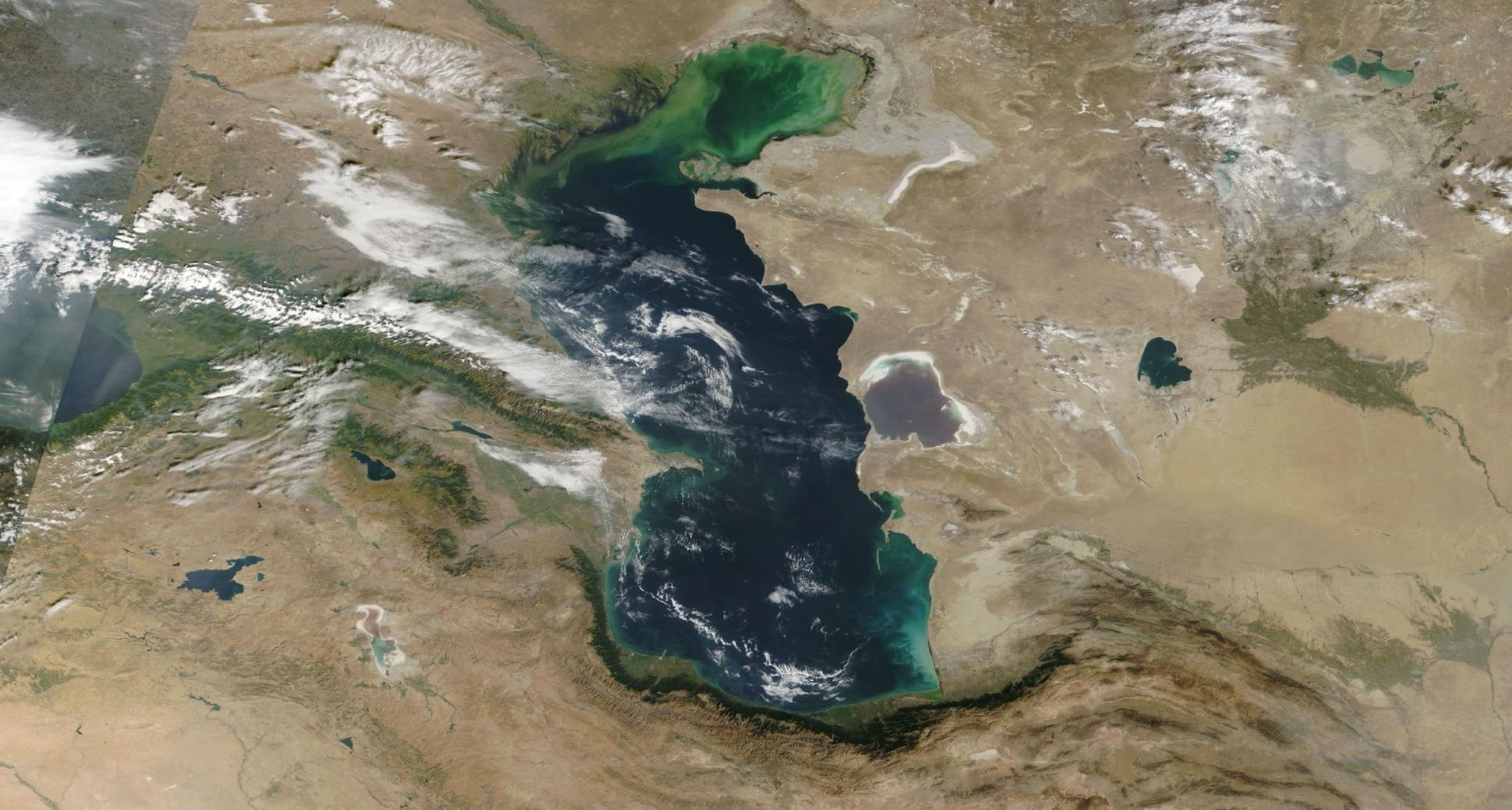
Iran’s attempts to export crude oil have recently drawn attention, particularly due to speculation regarding the use of routes across the Caspian Sea. With decades of experience circumventing sanctions, it might seem plausible that Iran could employ such avenues. However, concrete evidence supporting any significant oil exports via this method remains elusive.
Logistical Challenges of Oil Exportation
The primary obstacle facing Iran is the lack of existing pipelines to channel oil from its major production regions, predominantly located in the southwest. Oil extraction occurs chiefly in the Khuzestan province, where fields like Ahvaz, Gachsaran, Marun, and Aghajari contribute to onshore production. Additional offshore fields in the Gulf bolster these efforts. Most of this crude is refined closer to the producing areas, as routes northward face the daunting challenge of crossing the Zagros Mountains.
Consequently, Northern Iran relies on imported oil refined in major cities like Tehran and Tabriz. This crude is sourced mainly from Russia, transported across the Caspian Sea, and conveyed south via a modest pipeline capable of handling only 100,000 barrels per day. This infrastructure limits the region’s ability to efficiently manage oil distribution, highlighting Iran’s current dependency on Russian resources.
Alternative Transportation Methods
While using railcars or road transport to move oil may be theoretically plausible, the expense and lack of necessary infrastructure make this option impractical. Furthermore, there are currently no dedicated export terminals on the Caspian Sea for Iranian oil, complicating any potential exportation efforts.
Under normal diplomatic relations, Iran could explore various export pathways. However, its strained ties with neighboring countries hinder such possibilities. For instance, while one could theorize shipping Iranian crude through the BTC pipeline to Ceyhan from Baku, the logistical reality is far more complicated. The tense diplomatic relations, particularly with Azerbaijan, make any such arrangement rather improbable.
Current Dynamics in the Caspian Region
Presently, Baku focuses on receiving Kazakh oil transported across the Caspian Sea from Aktau. Five specially designed tankers facilitate this transport, steering clear of Iranian waters entirely. As Kazakhstan seeks to reduce its reliance on the Caspian Pipeline Consortium (CPC) pipeline, which runs through Russian territory, it has amassed a specialized fleet for this purpose. These developments further isolate Iran and underscore the logistical hurdles it faces in re-establishing its oil trade.
Additionally, while Russia possesses shallow-draft tankers that could navigate both the Caspian Sea and the Volga-Don Canal system, the absence of export terminals for Iranian oil remains a significant barrier. Faced with its own challenges in oil exports, Russia’s own priorities are not likely to include facilitating Iranian oil transportation.
The Road Ahead
For Iran, the strategic objective remains to restore oil exports to China, which previously accounted for a significant share of its exports. However, current restrictions, including a naval blockade imposed by the United States, complicate this ambition. Though the CPC facilitates Kazakh oil moving eastward to China, the lack of a logistical solution for transporting Iranian crude into this framework is a considerable setback.
Iran’s continued ingenuity may lead to new routes, but the infrastructure obstacles persist. With adversaries closely monitoring these developments, Iran must navigate a complex landscape to re-establish its oil trade effectively. Overall, while the aspiration exists, the road ahead is fraught with challenges that will require innovative and strategic thinking to overcome.