
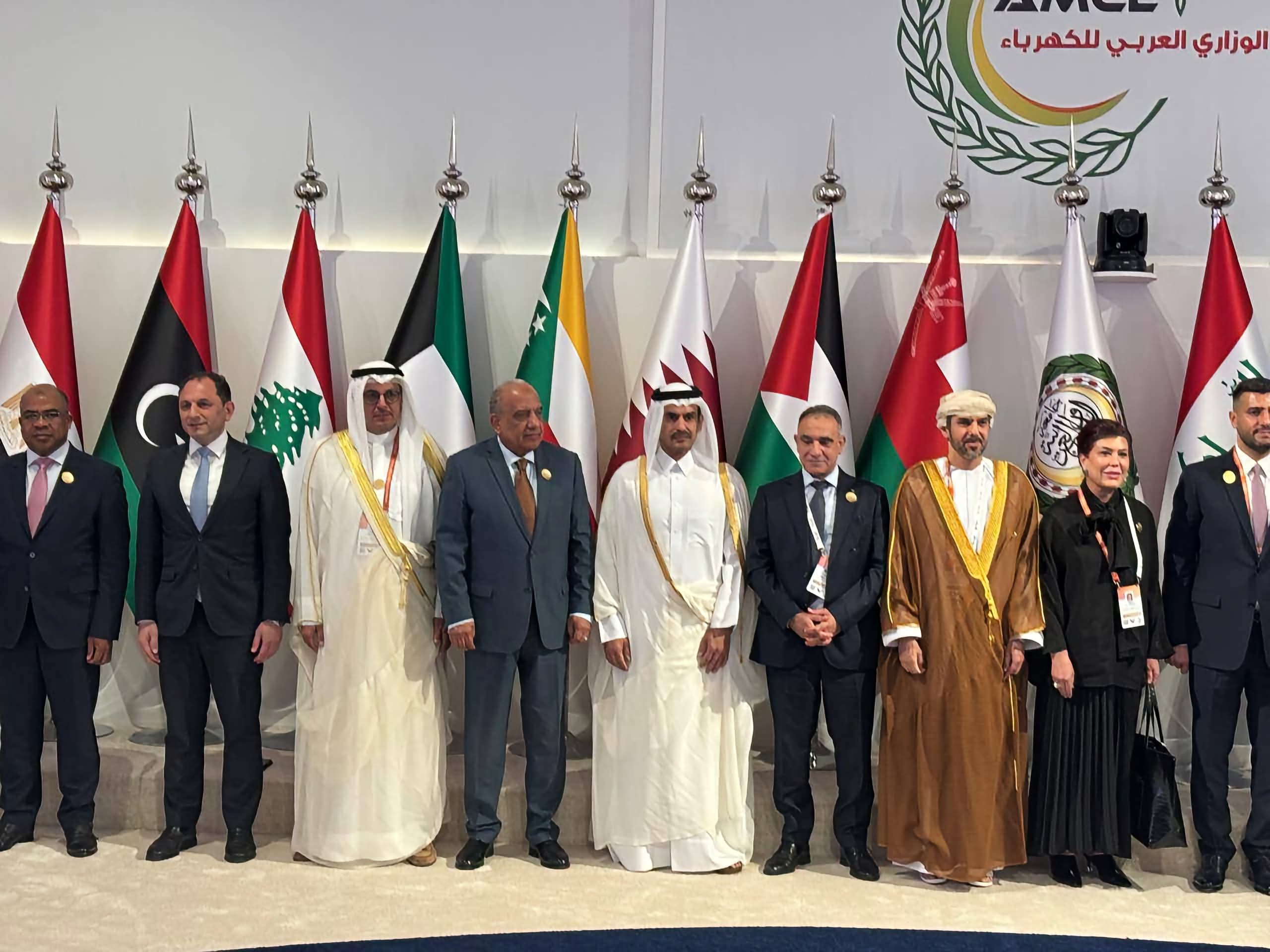
Egypt has successfully secured re-election to head the Executive Bureau of the Arab Ministerial Council for Electricity for a second consecutive term. Alongside Egypt, Algeria has been appointed as vice-chair. This significant decision was made during the 16th session of the Arab Ministerial Council for Electricity, which took place in Riyadh, Saudi Arabia, attracting participation from Arab electricity ministers, official delegations, expert representatives, and members of international financing institutions.
Strengthening Arab Cooperation in Energy
The re-election of Egypt underscores its pivotal role in promoting collaboration among Arab nations within the framework of the League of Arab States. Mahmoud Esmat, the Minister of Electricity and Renewable Energy, expressed that Egypt remains committed to working closely with its Arab counterparts. The focus will be on the successful implementation of the Arab Common Electricity Market Agreement and the enhancement of comprehensive electricity interconnection across the region.
The landmark agreement was initially signed during the council’s previous session, hosted in Egypt’s New Administrative Capital. Establishing a common Arab electricity market signifies the culmination of nearly two decades of concerted efforts towards achieving comprehensive interconnection among Arab nations. Esmat emphasized the significance of finalizing joint Arab electricity interconnection projects to foster an integrated market governed by sound economic principles.
Key Projects and Future Initiatives
One notable project is the Egypt–Saudi Arabia electricity interconnection initiative, which has recently entered trial operations. This project serves as both a model and a foundational step for expanding electricity interconnectivity throughout the Arab region. Esmat outlined a vision for the future, emphasizing the need for strengthened cooperation, coordinated efforts, and expedited completion of essential procedures. Additionally, creating an institutional framework will be vital for managing the common electricity market effectively.
The Minister also highlighted the critical need for knowledge exchange, capacity building, and training of personnel. These efforts will be essential in overcoming challenges, maximizing available opportunities, and applying modern technologies to enhance both the operation and management of the Arab Common Electricity Market.
The Importance of Regional Integration
Regional integration in electricity markets is crucial for economic development and energy sustainability. By coordinating resources and sharing technologies, Arab nations can optimize electricity generation and distribution. The common electricity market is expected to pave the way for more strategic energy investments and projects in the region, ultimately benefiting all member states.
In conclusion, Egypt’s re-election is not just a testament to its leadership in energy planning but also a call to action for collaborative development in the Arab world. Through strengthened alliances and strategic initiatives, the Arab countries can collectively navigate the challenges in the energy sector, ensuring a more sustainable and economically viable future.