
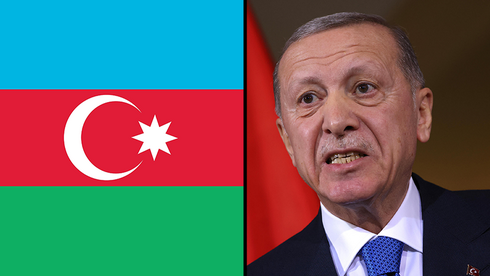
Azerbaijan’s recent enforcement of stringent school uniform guidelines has ignited widespread protests, particularly regarding its impact on the Islamic headscarf. The government has responded by defending its actions, insisting on maintaining internal sovereignty and requesting that Turkey refrain from interfering in its policies. The situation highlights ongoing tensions as the nation navigates its secular identity against a backdrop of religious influence.
Regulations and Controversy
In a significant policy shift last month, the Azerbaijani government instituted new rules that restrict students from wearing attire that deviates from the official school uniform, claiming such deviations conflict with the secular nature of public education. Although the regulations did not originally specify the hijab, reports quickly emerged indicating that female students and educators wearing headscarves were being prohibited from entering schools. This has led to protests across the country, with the Interior Ministry confirming that dozens were arrested for disruptions related to these new policies.
Public Response and Backlash
Social media has played a pivotal role during these protests, with videos circulating that show distressed students embracing teachers facing expulsion over headscarf regulations. Many of these students expressed their uncertainty and sadness, prompting boycotts in multiple schools. The backlash has been palpable, illustrating the emotional impact of the restrictions on both students and educators. Amid this unrest, users on Azerbaijani social media reported difficulties accessing platforms like Instagram and TikTok, where supporters of the right to wear the hijab had been sharing content. Access to these sites was reportedly restored only through the use of virtual private networks (VPNs), raising concerns about censorship.
Diplomatic Tensions with Turkey
The dispute has now extended to a diplomatic rift between Azerbaijan and Turkey, both traditionally viewed as allies. Azerbaijani officials criticized ‘unacceptable’ comments made by Turkish advisers regarding the restrictions, arguing that interventions from outside powers are unwarranted. The ruling New Azerbaijan Party (YAP) emphasized that the country’s policies reflect its principles of equality, secularism, and law, and rebuffed claims that they could negatively affect relations with Turkey. The party reminded Ankara of its own secular constitution while urging it not to politicize Azerbaijan’s educational policies.
Cultural and Historical Context
Azerbaijan, like its neighbor Iran, has a predominantly Shiite Muslim population. However, its governance is distinctively secular, contrasting with the Islamic Republic of Iran. Baku has cultivated warm ties with Israel, founded on extensive security cooperation and mutual economic interests. The relationship, which faces criticism from various factions within the Muslim community, particularly Iran, adds another layer of complexity to Azerbaijan’s internal and external challenges. As protests continue to unfold, the Azerbaijani government is resolutely navigating the sensitive intersection of secular governance and religious identity, a balancing act that seeks to uphold its national principles while responding to its citizens’ sentiments.