
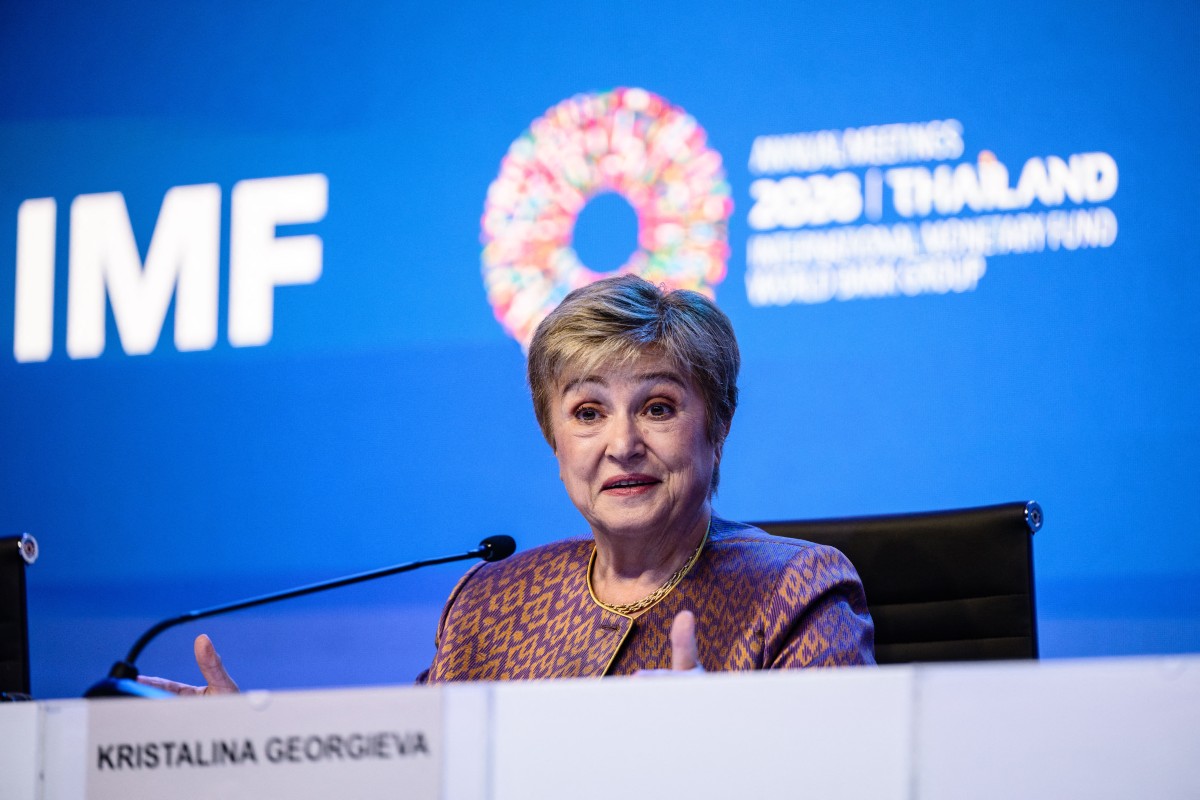
In recent developments, Kristalina Georgieva, the Managing Director of the International Monetary Fund (IMF), has voiced her concerns regarding potential attacks on Saudi Arabia. She indicates that such incidents could trigger significant global economic consequences primarily due to escalating energy prices and heightened regional tensions.
The Impact of Regional Conflicts on Global Markets
Georgieva’s remarks highlight the intricate link between geopolitical stability and economic health. Saudi Arabia is a pivotal player in the global oil market, and any disruption in its operations can ripple through the world’s economies. Historically, conflicts in oil-rich regions have resulted in price surges, as the uncertainty around supply chains often leads to panic among traders. With the world already grappling with economic recovery post-pandemic, any fresh disturbances could exacerbate inflation and destabilize global markets.
Rising Energy Costs and Their Repercussions
The significance of energy prices cannot be understated in today’s interconnected economies. An increase in oil prices typically leads to higher transportation and production costs, which businesses then pass on to consumers. This cycle can ignite inflationary pressures, ultimately affecting purchasing power worldwide. Georgieva emphasizes that if instability persists in the Middle East, it will not only hurt energy-dependent nations but could also hinder global trade progress. Companies and consumers alike would feel the weight of increased expenses, affecting everything from fuel prices to the basic cost of living.
The Broader Implications for Economic Recovery
As nations work towards economic recovery in the post-pandemic landscape, shifts in energy prices due to geopolitical conflicts could derail progress. The IMF’s insights serve as an urgent reminder that maintaining a stable energy supply is crucial for ensuring economic viability. Countries relying heavily on oil imports will face tougher challenges in managing their budgets and stimulating growth if prices continue to climb. Economists warn that this could lead to a slowdown in recovery efforts, preventing governments from investing in critical infrastructure and public services.
Recommendations for Mitigating Economic Risks
To minimize the risk of economic upheaval, experts encourage diversification of energy sources and the promotion of renewable energy initiatives. By reducing dependency on fossil fuels and improving energy efficiency, nations can decrease their vulnerability to market shocks arising from geopolitical instability. Additionally, fostering stronger diplomatic relationships within the region can potentially mitigate conflicts before they escalate, thereby securing a more stable economic environment.
In summary, as Kristalina Georgieva points out, the potential for conflict in Saudi Arabia represents a significant risk factor for the global economy. The interconnected nature of energy markets means that any disruption could have far-reaching consequences, underscoring the importance of diplomatic engagement and strategic energy planning. By prioritizing stability and resilience, countries can better equip themselves to weather future economic storms.