
Iraq’s Kurdistan Region is actively engaging in discussions aimed at fostering peace between Iran and Iranian Kurdish armed opposition groups that have sought refuge in the autonomous area. This diplomatic maneuvering showcases the complexities of regional politics and the potential for improved relations amidst longstanding tensions.
Kurdish Leadership and Diplomatic Initiatives
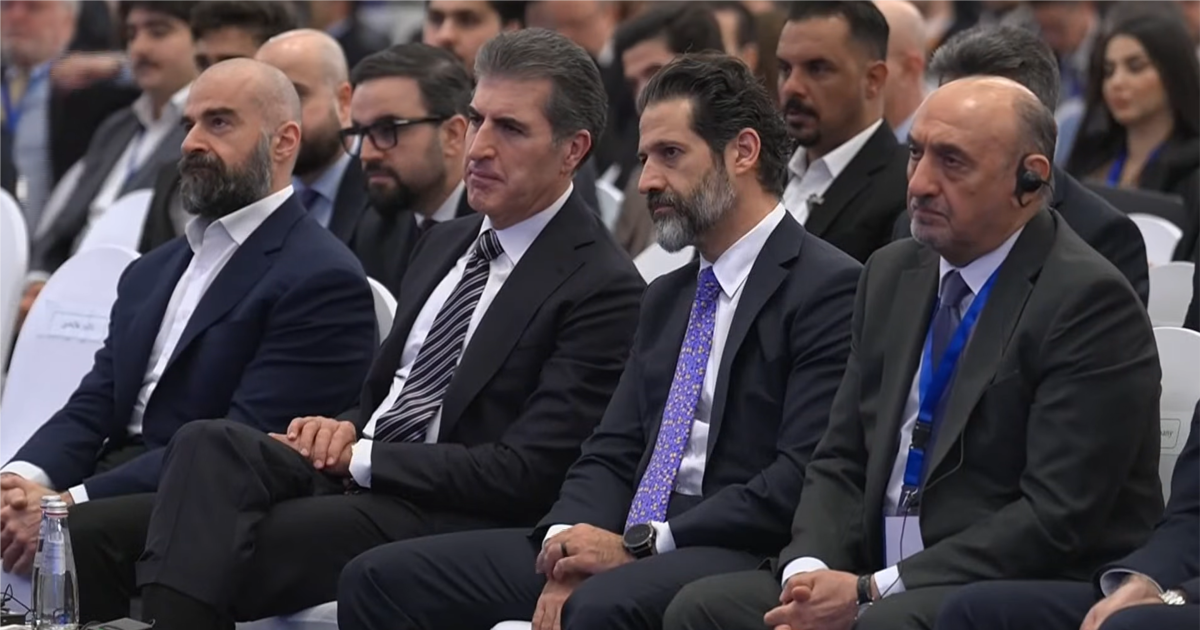
Bafel Talabani, the head of the Patriotic Union of Kurdistan (PUK), emphasized recent developments in peace talks, likening them to ongoing negotiations between Turkey and the Kurdish militants. He stated that these discussions with Iranian officials have received a favorable response, hinting at a budding peace process. “We are at the beginning of a similar process with our Iranian brothers and sisters,” he mentioned during an event in Erbil, stressing the significance of this dialogue for regional stability.
In contrast, Nechirvan Barzani, the President of the Kurdistan Region, adopted a more cautious stance. He noted that while they are considering a peace process analogous to Turkey’s, it is still in its infancy. Barzani remarked on the importance of ongoing conversations with Iranian authorities, advocating for a peaceful resolution to the issues between Tehran and the Kurdish opposition. His observations indicate a recognition of the delicate balance Kurdish leaders must strike between fostering dialogue and maintaining security.
Security Concerns and Response from Kurdish Groups
Kurdish leaders have expressed serious concerns regarding the dynamics between Iran and the Iranian opposition groups, identifying these tensions as potential threats to the Kurdistan Region’s security. They argue that Iran often exploits the existence of these opposition fighters as justification for military actions in the area, including missile and drone attacks. Barzani has described the actions of Iranian Kurdish groups as “irresponsible” in light of recent military campaigns initiated by the U.S. and Israel against Iran.
While opposition groups assert a desire for peaceful negotiations with Tehran, their historical experiences with the Islamic Republic have fostered a deep-seated mistrust. Khalid Azizi, spokesperson for the Kurdistan Democratic Party of Iran (KDPI), highlighted this skepticism, questioning Iran’s intentions and representation in light of recent political upheavals following attacks that claimed the lives of senior officials.
Upcoming Diplomatic Meetings and Continued Tensions
In an effort to address these ongoing concerns, officials from Iraq and Iran are slated to meet on October 19 to deliberate on the status of the Iranian Kurdish opposition groups in Iraqi Kurdistan. This meeting aims to reaffirm commitments made under a recent security agreement that involves relocating Iranian Kurdish armed factions away from the border while allowing them to remain in Iraq as refugees.
Despite these diplomatic overtures, the safety of Iranian Kurdish groups remains precarious, with Iran accusing them of undermining its security. Reports from the opposition indicate that more than 420 attacks attributed to Iran since February have resulted in significant casualties, although these figures remain unverified. The Iranian Kurdish demographic is substantial, estimated at around 9 million, contributing to a complex sociopolitical landscape where nearly 10,000 to 30,000 Iranian Kurdish refugees are currently residing in the Kurdistan Region of Iraq.
Skepticism About Peace Prospects
Despite the optimistic rhetoric from Kurdish leadership, there are reservations among Iranian Kurdish political figures regarding the efficacy of the proposed negotiations. Jalil Azadikhah, a Kurdish political analyst based in Washington, argued that while talks have been delayed, they are only now entering the public discourse. He expressed skepticism regarding Tehran’s willingness to genuinely engage in resolving Kurdish issues, viewing the negotiations as a strategy to weaken the Kurdish opposition rather than as a step toward meaningful dialogue.
Azadikhah concluded that the current political landscape does not lend itself to successful negotiations, suggesting that the Kurdish parties face significant obstacles in their quest for a peaceful settlement with Iran. As the situation evolves, the interplay between diplomatic efforts and security concerns remains a critical aspect of the region’s stability.