
Iraq’s Commitment to Regional Stability
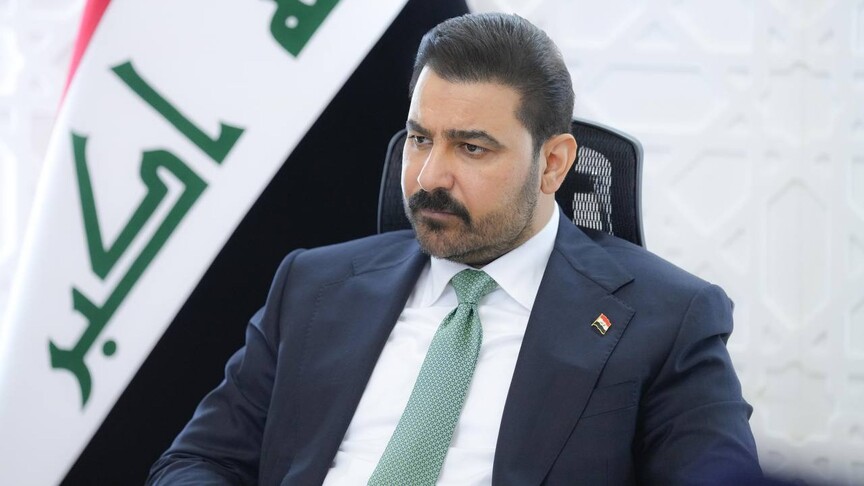
On a recent visit to Riyadh, Iraqi Prime Minister Ali al-Zaidi emphasized Iraq’s dedication to ensuring its territory is not used for any hostile actions against Saudi Arabia or its neighboring countries. This meeting with Saudi Crown Prince Mohammed bin Salman is a critical step toward enhancing security and fostering stronger bilateral ties in a region fraught with tension.
Strengthening Bilateral Relations
During his first visit to Saudi Arabia since taking office in May, al-Zaidi reiterated Iraq’s commitment to promoting regional security. The discussions centered on key issues, such as ongoing regional developments, security collaboration, and a commitment to maintaining good relations. Al-Zaidi’s strong condemnation of recent attacks on Saudi Arabia, particularly those targeting King Khalid International Airport, showcased Iraq’s stance against threats to regional stability. These attacks, linked to Yemen’s Houthi forces, have resulted in numerous casualties and significant disruptions to civil operations, underlining the urgency of coordinated security measures.
Al-Zaidi was received at Al-Yamamah Palace, where the two leaders delved into enhancing cooperation, particularly in security matters. The Iraqi Prime Minister firmly stated that Iraq would not serve as a launchpad for attacks targeting Saudi Arabia, thereby underscoring his country’s respect for Saudi sovereignty and a shared goal of long-term peace in the region.
Addressing Previous Attacks
The backdrop of al-Zaidi’s visit is marked by escalating regional tensions, particularly following recent confrontations related to the US-Israeli conflict with Iran. There have been numerous reports from several Arab states, including Saudi Arabia, regarding attacks originating from Iraqi territories by groups affiliated with Iran. Al-Zaidi’s planned visit in July was postponed due to concerns over joint US-Saudi strikes targeting Iran-aligned forces in Iraq, illustrating the complex landscape affecting Iraq’s regional relationships.
The recent harassment of Saudi oil infrastructure, attributed to drone attacks from Iraq, has raised alarms regarding Iraq’s ability to contain Iranian-aligned militant activities. Saudi Arabia asserted that it had acted with restraint while calling for measures from the Iraqi government to prevent future assaults. This plea resulted in an investigation that confirmed the origin of some attacks from Iraq’s Maysan province, spotlighting the critical nature of al-Zaidi’s recent commitments.
Future Cooperation and Stability Efforts
Both Prime Minister al-Zaidi and Crown Prince Mohammed bin Salman expressed mutual interest in fostering a robust security partnership. This includes intelligence sharing and other forms of cooperation to tackle common security threats. Bin Salman highlighted Saudi Arabia’s support for dialogues aimed at enhancing stability in the region, welcoming Iraq’s intentions of promoting peace.
Following the discussions, Al-Zaidi returned to Baghdad bolstered by a sense of collaboration and understanding with Saudi leadership. The hours spent in Riyadh not only reinforced Iraq’s pledge to regional security but also opened avenues for further cooperation that could benefit both nations and lead to a more stable Middle East.
In conclusion, Iraq’s commitment to preventing its territory from becoming a staging ground for attacks against Saudi Arabia is a significant step in the right direction. Both nations are striving for a collaborative approach to addressing security challenges posed by external threats, thereby laying a foundation for enduring diplomatic ties.