
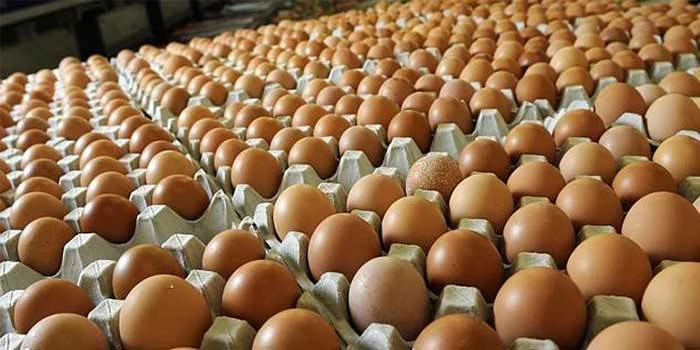
Iraq is facing a significant shortfall in egg production, producing around six billion eggs annually against a domestic demand of nine billion. This three billion egg deficit has been attributed to various factors that have recently affected prices and availability, as reported by the Agriculture Ministry.
Factors Causing Price Increases
Qusay al-Hattab, the spokesperson for the Agriculture Ministry, specified that a key reason for the rise in egg prices during the summer months was supply disruptions, particularly in the Strait of Hormuz—a vital shipping route for poultry feed. The interruption in this corridor has had a direct impact on availability, underscoring the fragility of Iraq’s poultry supply chain.
To mitigate these issues, the ministry has taken proactive measures. It has redirected a substantial portion of feed imports, approximately 50% to 60%, through alternative border crossings. This decision aims to lessen the adverse effects of supply disruptions on the poultry industry, allowing producers to better meet consumer demand.
Currency Fluctuations and Regulatory Changes
In addition to logistical challenges, recent fluctuations in currency exchange rates have also contributed to escalating prices. Highlighting the situation, al-Hattab mentioned that the Iraqi government suspended customs duties on imported table eggs and certain meat products in response to the crisis. This measure was introduced to stabilize prices and make essential food items more affordable for citizens. Furthermore, the government has extended additional exemptions to categories such as hatching eggs and live animals, which are crucial for maintaining livestock health and productivity.
The ministry is also working on streamlining operations within the poultry sector to foster growth. Al-Hattab pointed out that efforts are underway to restart several inactive poultry farms while tackling administrative hurdles that previously hampered progress. Operators of poultry farms had to navigate the cumbersome process of acquiring approvals from 11 different government bodies for license renewals, making it difficult to revitalize the industry. However, this requirement has now been significantly reduced to just two approvals, facilitating a more efficient regulatory process.
The Bigger Picture: Food Security in Iraq
These concerted efforts by the Agriculture Ministry reflect a broader strategy to enhance food security within the country. The interplay of supply chain challenges, currency instability, and regulatory obstacles has highlighted the need for a more resilient agricultural framework. Addressing these factors is essential not just for stabilizing egg prices but also for ensuring that Iraq can adequately meet its food needs without relying heavily on imports.
As Iraq continues to grapple with these issues, the outcome of the ministry’s initiatives will be closely monitored. The focus remains on achieving self-sufficiency in food production, with eggs serving as a vital component of the national diet. By bolstering domestic production and streamlining the regulatory landscape, Iraq aims to reduce its dependency on external sources while ensuring that its citizens have access to affordable and nutritious food options.