
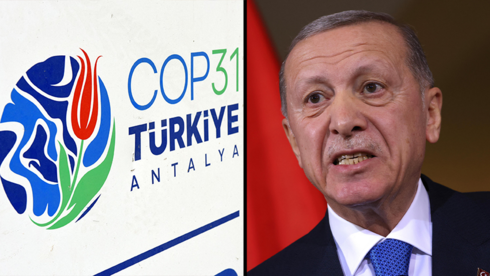
A significant global climate summit is set to occur next month in Turkey, with 197 countries anticipated to attend. However, Israel’s participation appears doubtful due to ongoing security concerns and a precarious diplomatic stance. This situation raises crucial questions about the country’s role in crucial international discussions on climate change.
Israel’s Participation in Global Climate Discussions
The Israeli Ministry of Environmental Protection has reached out to security officials regarding a proposed delegation to the summit. Despite these efforts, a decision has yet to be finalized, leaving the future of Israel’s involvement uncertain. This summit is particularly pivotal as it marks ten years since the Paris Agreement’s inception—an international accord aimed at curbing global warming.
Concerning Israel’s absence, experts believe that attendance is essential, even if the country’s influence might be limited. According to Prof. Colin Price from Tel Aviv University, the climate summit is predominantly political, serving as a platform for nations, including Israel, to assert their presence on the world stage. However, increasing security risks surrounding this year’s Turkish venue may discourage participation.
The Ramifications of Non-Attendance
Current circumstances surrounding Israel’s proposed participation in the summit illustrate broader issues, including political inertia and interests in environmental matters. With less emphasis on the environment from the government, there is a reduced focus on international climate discussions. Potentially, private sector representatives may step in; however, their absence may inhibit essential networking opportunities and foreign investments.
Price noted that the limited connection with international investors in climate technology has declined recently, significantly affecting innovative startups looking for funding. The repercussions of not engaging in this summit are extensive; Israel could miss vital connections, collaborations, and advancements in climate tech.
The Importance of International Collaboration
Udi Avni, co-country director at Greenpeace Israel, expressed serious concerns regarding Israel’s likely absence from the summit, emphasizing the urgency of participating amid escalating climate-related issues globally. He argued that lacking official representation could damage national interests, suggesting the government must advocate for the safety of its delegation.
Moreover, Avni highlighted that participation could catalyze the promotion of Israeli technological advancements and bolster international agreements on renewable energy and climate mitigation strategies. Dr. Avner Gross from Ben-Gurion University echoed this sentiment, stressing that the climate crisis demands a unified global effort. Engaging in international dialogues is a critical step toward addressing this pressing issue.
Implications of Inaction on the Climate Crisis
In the face of climate challenges, Israeli environmental advocates fear that failing to attend the summit will further hinder cooperation efforts in the region. Mor Gilboa, CEO of Zalul—a prominent environmental organization—pointed out that political tensions and security risks significantly impact Israel’s ability to engage in collaborative solutions for shared Mediterranean resources.
Gilboa lamented that the climate crisis continues to escalate, regardless of the political climate. The need for proactive measures to address climate change is imperative, and Israel’s absence from such a high-stakes international meeting would indicate a risky retreat from global partnerships. The summit is not merely about diplomacy but crucial decisions that will influence the quality of life for citizens and the future of environmental initiatives.