
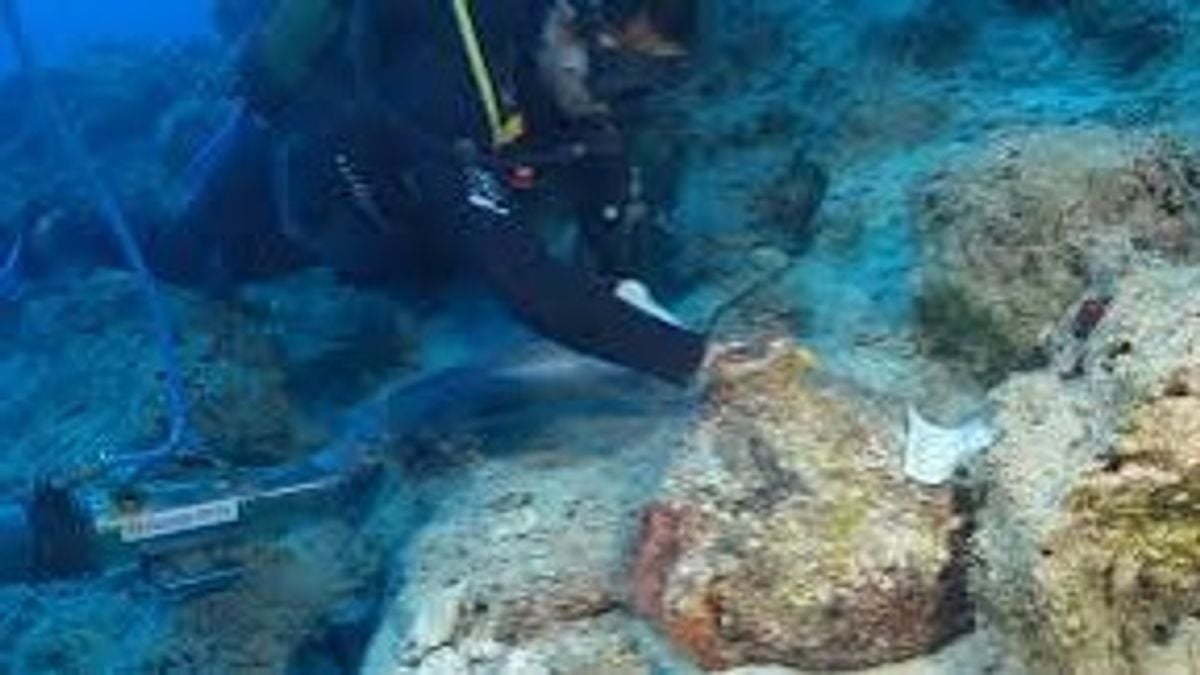
Archaeologists recently uncovered what is believed to be the oldest known shipwreck in the world, a wooden cargo vessel that sank off the coast of Turkey approximately 5,000 years ago. This remarkable find took place during underwater excavations near Kekova Island. The discovery offers a fascinating glimpse into maritime history and trade during a pivotal time, coinciding with the construction of the Great Pyramid of Giza.
Historical Significance of the Shipwreck
The shipwreck’s estimated age suggests it may have been operational during an era known as the Early Bronze Age. Hakan Öniz, who spearheaded the excavation, shared his excitement, stating, “We are the first humans who touched these objects after about 5,000 years.” The ancient vessel, believed to be about 10 meters long, was a trade ship traversing the Mediterranean and its remains were found approximately 30 meters beneath the waves, scattered on an underwater slope near Kekova.
Minister of Culture and Tourism, Mehmet Nuri Ersoy, remarked that the artifacts recovered, including a particularly notable amphora featuring nine distinct markings and two holes, provide invaluable insights into ancient maritime commerce. The wreck is estimated to have sunk between 4,400 and 4,700 years ago, underlining its significance in understanding early trade networks in the region.
The Artifacts Unearthed
Among the various artifacts retrieved from the site, archaeologists recovered more than 30 ceramic storage pots known as amphorae, in addition to three large stone anchors. Unfortunately, the wooden structure of the ship has deteriorated over time to the point that no pieces remain intact. As a result, conventional techniques like radiocarbon dating cannot be employed to determine the ship’s age definitively. Instead, experts rely on decorative styles and historical context to make informed estimates about the shipwreck’s timeline.
Dr. Karin Sowada conducted an examination of the amphorae once they were brought to the surface. The careful preservation of these ancient artifacts is crucial, as they provide significant clues about the ship’s trade activities and the cultures connected through these maritime routes. The recovery process allowed researchers to analyze not just the pots themselves but also the markings that reveal information about their origins and uses.
Future Implications for Maritime Archaeology
The discovery near Kekova Island contributes to ongoing research into early maritime trade. By studying these artifacts, scientists can deepen their understanding of the cultural and economic interactions that took place in the Mediterranean thousands of years ago. The findings will likely influence future archaeological endeavors, prompting further exploration of ancient shipwrecks and their historical contexts.
This shipwreck stands as a poignant reminder of the interconnectedness of ancient civilizations and the role of maritime navigation in facilitating trade. As archaeologists continue their work, the insights gained from this early vessel will undoubtedly enrich our understanding of human history and the technological advancements that have taken place over millennia.