
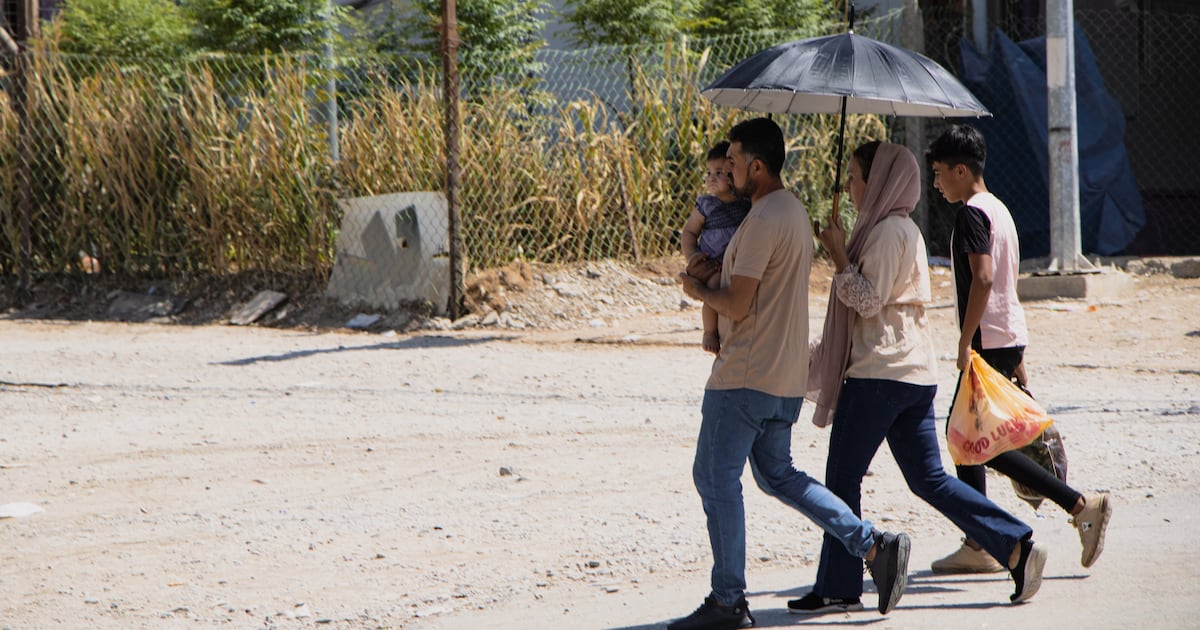
Reconstruction efforts in Syria must encompass the Kurdish regions in the north-east for the safe return of refugees, according to Toby Harward, the representative of the UN refugee agency in Iraq. The challenges faced by these areas significantly hinder the refugees’ prospects of coming back home.
Economic and Security Challenges in Kurdish Regions
Harward emphasized that lingering issues related to economic opportunities and security are significant hurdles for the return of Syrian refugees. He underscored that while various agreements are being made regarding reconstruction, it is essential that these initiatives also target the Kurdish areas to encourage the estimated 300,000 Syrian refugees currently in Iraq to feel motivated to return. About 85% of these refugees reside in the Kurdistan Region, predominantly comprising Syrian Kurds.
The return of refugees was initially promising following the fall of the Assad regime in late 2024. However, this trend has now slowed considerably. Harward noted that the main reason for the slowing returns is the ongoing tensions and friction among communities. This instability has been evident in recent demonstrations in Hasakah, reflecting the uncertain security climate that has persisted since the integration deal between the Damascus government and the Kurdish-led Syrian Democratic Forces.
Community Relations and Social Cohesion
Discussions with refugees reveal that many are apprehensive about returning due to unresolved tensions between Arabs and Kurds. Harward pointed out that until there is a notable reduction in hostilities and improved social cohesion, refugees will remain hesitant about returning home, particularly for the younger generation. Nevertheless, he remains optimistic about the future, even as challenges persist. He cautioned that negative events, such as acts of violence, can quickly overshadow any positive progress and jeopardize reconstruction efforts.
Beyond security and societal tensions, some refugees have found stability in their host communities and may be reluctant to leave the opportunities available to them. Harward asserted that many believe they have a better chance of thriving in Iraq compared to their original homes in Syria, due, in part, to the progressive policies in the Kurdistan region which facilitate access to services and employment.
Efforts by Governments and Future Directions
Harward recognized the positive steps taken by the Iraqi and Kurdish governments in improving the living conditions and opportunities for refugees. Many Kurdish officials have a compassionate understanding of the plight of the refugees, drawing from historical experiences. However, he acknowledged that the burden of providing essential services to these populations remains significant for the local government.
The UNHCR aims to create jobs and economic opportunities to help refugees gain independence, reducing their reliance on government resources. Harward noted that the return rate of Syrian refugees from federal Iraq is higher compared to the Kurdistan Region, primarily because many of those returning are Arab.
While the situation remains complex, with over a million internally displaced persons still in Iraq, the call for “durable solutions” for refugees and displaced communities is paramount. Harward emphasized that sustainable programs will ensure smoother transitions back to their original areas. The move toward stability involves not just addressing immediate needs, but fostering conditions conducive to enduring peace and social cohesion among diverse communities.