
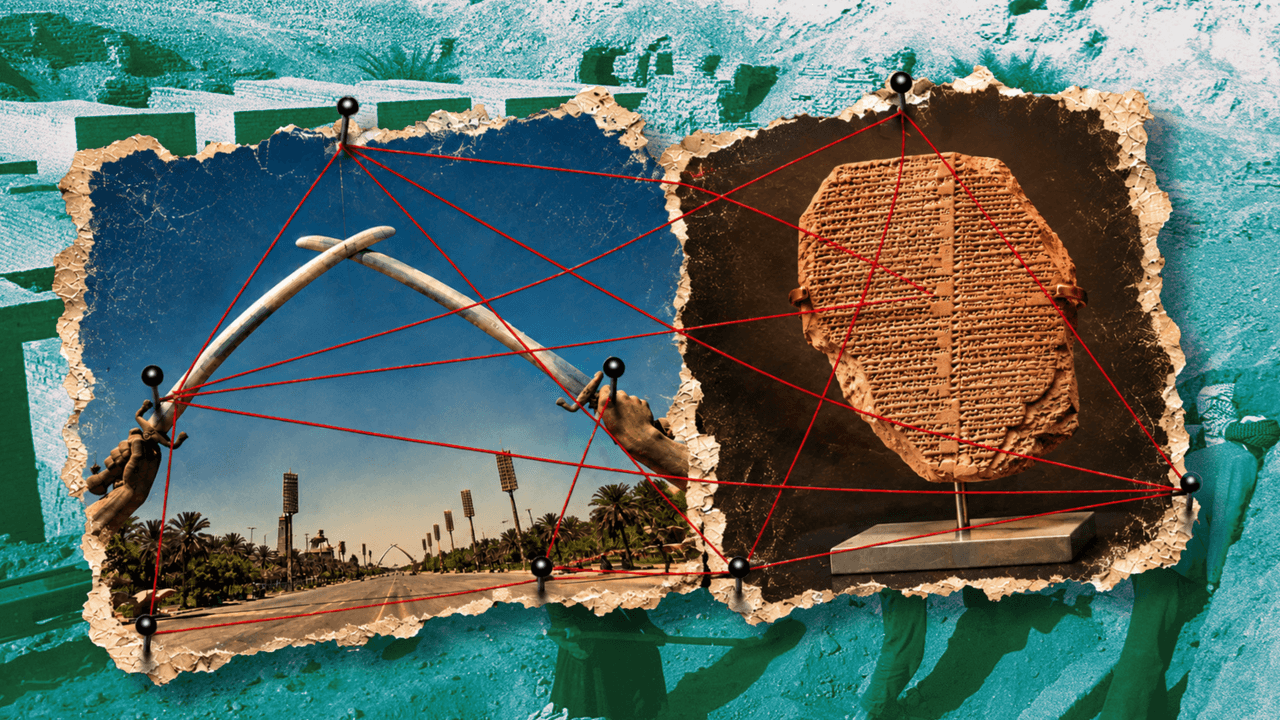
In 2003, the Iraq Museum faced a catastrophic event when it was looted, resulting in the loss of thousands of invaluable antiquities. This incident unleashed a troubling global network involving dealers, collectors, and auction houses. Now, more than twenty years later, the search for these stolen artifacts continues, as investigators and archaeologists endeavor to restore these treasures to their rightful homes.
The Fall of the Iraq Museum: A Cultural Tragedy
The looting of the Iraq Museum is often viewed as a tragic turning point in cultural preservation. As one of the most important repositories of ancient artifacts, the museum housed priceless treasures reflecting Iraq’s rich history. The chaos following the 2003 invasion saw local looters take advantage of the situation, resulting in a loss that extended beyond mere objects. The incident highlighted the fragility of cultural heritage in conflict zones, illustrating just how quickly history can be erased.
Impact on Art and Archaeology
The thefts had a lasting effect on the fields of art and archaeology. Thousands of artifacts, ranging from Mesopotamian relics to Islamic art, disappeared, making it challenging for scholars to trace the evolution of these cultures. The ongoing quest to recover these items is not solely a matter of regaining lost property; rather, it is about preserving history and understanding the cultural narratives that shaped civilization. Each recovered piece has the potential to unlock new insights into Iraq’s complex past.
Global Networks in the Underworld of Antiquities
The aftermath of the looting gave rise to a dark underbelly of the art world. A sophisticated network of dealers and collectors emerged, often involving auction houses that unknowingly facilitated the distribution of stolen goods. These networks have made it increasingly difficult for investigators to track stolen artifacts. As demand for ancient objects persists, the illicit trade flourishes, posing ethical dilemmas for many stakeholders involved in the art market. Efforts to dismantle these networks require international cooperation and robust legal frameworks to ensure that cultural heritage is protected.
The Ongoing Search for Lost Treasures
Despite the daunting challenges, the pursuit of lost treasures continues. Archaeologists and law enforcement agencies are employing cutting-edge technology and methodologies to locate and recover stolen artifacts. Initiatives aimed at raising awareness about the importance of cultural heritage are gaining momentum, urging communities and art lovers alike to be vigilant against the purchase of suspicious items. Public campaigns and collaborations among nations are crucial in creating a unified front against the illicit trade, ensuring that these vanished pieces of history are not lost to time.
As the years go by, the quest to reclaim Iraq’s shared heritage demonstrates the resilience and determination of those committed to preserving the past. The looting of the Iraq Museum serves as a pivotal lesson, reminding us of the need to safeguard cultural treasures against the ravages of conflict and greed. The ongoing efforts, though challenging, hold a glimmer of hope that one day, these artifacts will be returned to their rightful place, enriching our collective understanding of history and culture.