
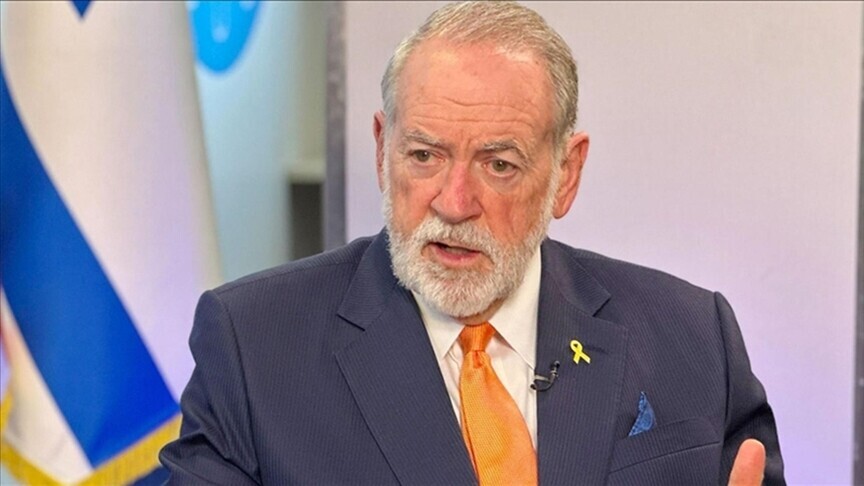
US Ambassador Mike Huckabee recently held a clandestine meeting with Israeli opposition leader Gadi Eisenkot just weeks before the critical Knesset elections scheduled for October 27. This meeting, reported by Israel’s public broadcaster, marks the first and only engagement between the two. The discussions reportedly centered around pressing security concerns, including escalating tensions in the West Bank and violent encounters in Gaza, although the precise details of their conversation remain undisclosed.
The Significance of Huckabee’s Meeting
The timing of Huckabee’s meeting with Eisenkot is crucial, as it comes amidst significant political tension in Israel. The Knesset elections are drawing near, and the results will likely shape both the domestic political landscape and Israel’s international relations. While the ambassador’s office nor Eisenkot’s team provided official remarks on this meeting, its disclosure hints at U.S. involvement in Israeli politics at a time when the Israeli electorate is weighing their options.
In parallel news, another meeting between Huckabee and Israeli Prime Minister Benjamin Netanyahu was unexpectedly canceled. Sources indicate that Netanyahu made the decision to abort the meeting, but the specific reasons remain unclarified. The absence of a rescheduled date adds to the intrigue surrounding these recent political maneuverings.
Implications Ahead of Elections
The revelation of these meetings has drawn significant attention as the Israeli elections approach, hinting at potential shifts in U.S.-Israeli relations based on the electoral outcomes. Netanyahu has long emphasized his close relationship with former U.S. President Donald Trump, who has typically praised him during his tenure. However, as the elections loom, Trump has yet to voice official support for either candidate, creating a climate of uncertainty.
Recent polling data from Israeli Channel 12 indicate that the opposition bloc might be in a strong position, potentially securing up to 67 of the 120 Knesset seats, compared to 49 for Netanyahu’s current coalition. Eisenkot’s Yashar party appears particularly strong, projected to win 23 seats against Netanyahu’s Likud party’s 20. Voter sentiment also favors Eisenkot as a preferred prime minister over Netanyahu, reflecting growing discontent with the incumbent administration.
Netanyahu’s Legal Challenges
Netanyahu, who has led a right-wing coalition since December 2022, is facing a slew of challenges. Domestically, he is embroiled in corruption allegations that include bribery and breach of trust. Internationally, he is wanted by the International Criminal Court (ICC) due to accusations of war crimes in Gaza, where the humanitarian crisis has intensified with reports of over 74,000 fatalities since October 2023.
This exposure of Netanyahu’s controversies, combined with the opposition’s rising popularity, could significantly influence the upcoming elections. The U.S. has traditionally upheld a policy of non-interference in other nations’ internal affairs, yet the current climate suggests a potential departure from that norm, particularly with Trump’s unpredictable foreign policy approach.
The unfolding political situation in Israel is poised for transformation, and the outcomes of these elections will likely have far-reaching implications not just for Israel, but for its relationship with the United States and the entire international community. As voters prepare to make their choice, the decisions made in the days leading up to the election may set the stage for a dramatically different political landscape.