
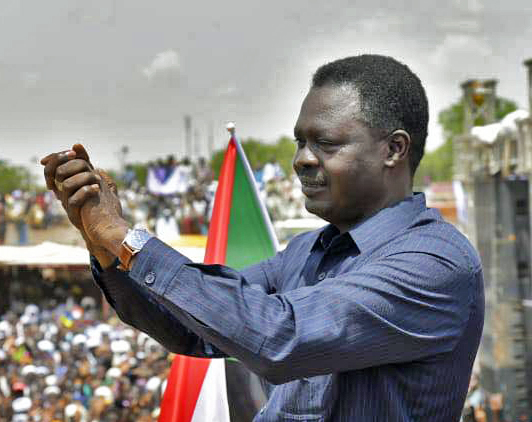
Recent Tragedy in Darfur Sparks Calls for Accountability
A tragic incident near the Egyptian border has drawn attention to the urgent need for accountability regarding the victims of airstrikes on artisanal gold miners. As tensions between Sudan and Egypt rise, Darfur’s governor is stressing the importance of clarity and responsibility in the aftermath of this catastrophic event.
Details of the Airstrikes and the Call for Investigation
Governor Minni Minnawi has called for a thorough investigation into the recent airstrikes that reportedly resulted in numerous fatalities among Sudanese miners in North Wadi. It has been revealed that many of the deceased hailed from Darfur, prompting Minnawi to caution against collective blame that could escalate conflict between communities. He emphasized that individual incidents should not be used to vilify entire groups, in a plea for unity amid growing tensions.
In a recent meeting with Egyptian officials, including ambassadors and consuls in Port Sudan, Governor Minnawi reported that the diplomats expressed regret over the casualties and committed to a joint investigation. He urged both Sudanese and Egyptian authorities to collaborate transparently, ensuring that the findings are made public and that accountability is pursued vigorously. Moreover, he called on individuals and media outlets from both nations to refrain from sharing unverified information that could inflame the situation.
Government Responses and Human Rights Concerns
Responding to the tragedy, Sudanese Armed Forces Commander Lt Gen Abdelfattah El Burhan has commissioned a fact-finding committee to investigate the circumstances surrounding the miners’ deaths. The National Human Rights Commission has also announced that it will conduct its inquiry. This development follows a previous investigation initiated by El Burhan after a similar incident involving Egyptian forces earlier this year.
Human rights organizations have raised alarms about the safety of individuals fleeing the area. The Sudanese Observatory for Human Rights has reported an urgent need for clarity regarding people who reportedly fled the strikes. The organization has demanded information on their whereabouts as well as assurances regarding their legal rights and safety.
The Impact on Cross-Border Trade and Local Economy
In light of the recent turmoil, cross-border trade has faced severe disruptions. The Egyptian Truck Drivers’ Union has halted all truck movements to and from Sudan following the deaths of two Egyptian drivers in Khartoum. This has raised concerns about the safety of transporters on both sides of the border. In addition, the Ashkeet and Argeen border crossings have remained closed for three consecutive days, creating further strain on local economies.
Residents in areas like Wadi Halfa are expressing mounting frustration over the ongoing restrictions, particularly their impact on the cost of essential goods. Citizens warn that continued protests may escalate if authorities do not address their grievances swiftly. This has created a precarious situation, as traders struggle to cope with rising prices and supply shortages.
Call for Justice and Community Solidarity
Demands for justice have resonated across Sudan, with various political groups, Resistance Committees, and the Sudanese Journalists’ Syndicate calling for a thorough investigation. Activists have also launched a social media campaign under the hashtag #Haq_Al_Dahaba, advocating for the rights of the victims and holding those responsible accountable.
The Justice and Equality Movement has condemned the killings of Sudanese miners while expressing grief over the loss of two Egyptian citizens. They have urged the public to combat the spread of misinformation and inflammatory narratives. As the situation continues to evolve, the importance of transparency, accountability, and community solidarity is more critical than ever.