
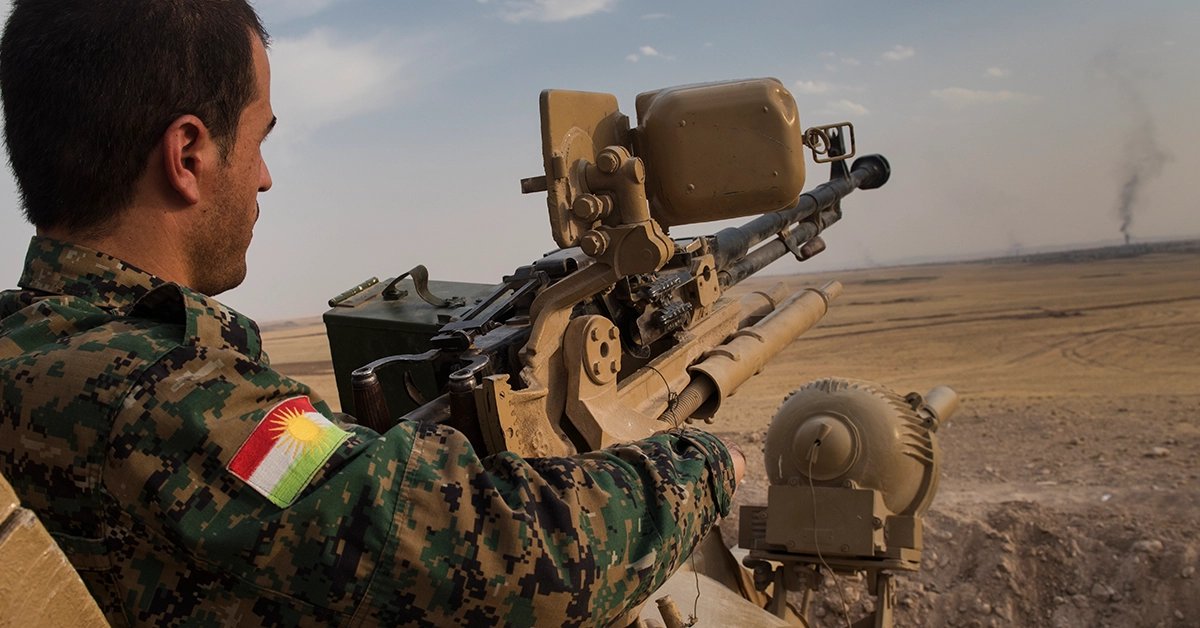
The ongoing support of the Kurdish forces in Iraq remains a pivotal point in U.S. foreign policy, particularly as the nation navigates complex geopolitical relationships. The reluctance to uphold commitments to our allies could undermine national security and our credibility on the global stage.
The Historical Alliance Between the U.S. and the Kurds
Historically, the United States has fostered crucial alliances that have shaped its global positioning. The partnership began with the American Revolution, where support from the French Army significantly aided the Continental Army in achieving independence. This tradition has carried through history; the U.S. has consistently engaged with local forces to meet its security objectives. Specifically, the collaboration with the Kurdish forces, particularly the Peshmerga, stands out as a notable example, dating back to the early 1990s. Following the expulsion of Iraqi forces from Kuwait, no-fly zones allowed for the establishment of a semi-autonomous Kurdish government, which has been both a strategic ally and a bastion of stability amid regional turmoil.
When the U.S. intervened in Iraq in 2003 to dismantle Saddam Hussein’s regime, the Kurds proved to be steadfast allies. Their intimate knowledge of the local terrain and commitment on the battlefield provided substantial support during military operations. Kurdish forces played an instrumental role in the campaign against ISIS, suffering significant casualties but ultimately ensuring the defeat of this terror organization in Iraq by 2017. This loyalty to American forces must not be overlooked, as it underscores a long-standing partnership that, despite regions of fluctuation, has remained beneficial for both entities.
The Consequences of Abandonment
Abandoning the Kurdish forces could yield dire consequences, both morally and strategically. From a moral standpoint, the U.S. has a responsibility to support those who have stood alongside American troops. Moreover, the security interests of the United States are intrinsically tied to the stability of the Kurdish region. A vacuum of support could lead to increased aggression, particularly from adversarial states like Iran, thereby destabilizing the entire Middle East.
With the recent withdrawal of U.S. troops and a cessation of financial support mechanisms slated for 2027, the capacity of the Kurdish government to maintain its autonomy and security is jeopardized. Reduced military funding compromises not just Kurdish stability but creates a precarious situation for U.S. interests in the region. The strategic implications of failing to support established allies can be profound, influencing how other nations perceive U.S. commitments and reliability as a partner.
International Perception and Future Implications
The effects of these actions ripple beyond immediate military consequences. Allies in other regions are closely monitoring U.S. actions concerning the Kurds, and a perceived failure to uphold promises could discourage future partnerships. Nations weighing the benefits of alignment with the U.S. may reconsider their positions, potentially shifting toward more reliable geopolitical allies, such as China or Russia.
To fortify American interests and ensure national security, renewed support for the Kurdish forces is essential. By maintaining military and financial assistance, the U.S. not only aids a long-standing ally but sends a strong message of durability and resolve on the world stage. As we reflect on our history and relationships, it is imperative that the lessons of the past not be overlooked. Supporting the Kurdish forces represents an investment in both regional stability and the credibility of the United States as a dependable partner in a tumultuous geopolitical climate.