
Qatar’s Role in Lebanon’s Energy Sector and Regional Stability
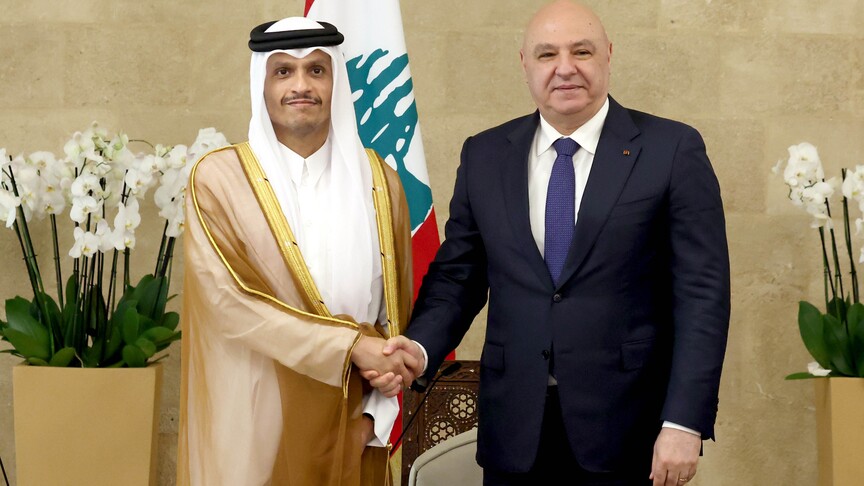
On October 17, 2026, Qatar’s Prime Minister and Foreign Minister, Sheikh Mohammed bin Abdulrahman Al Thani, emphasized the nation’s commitment to enhancing Lebanon’s energy sector during his visit to Beirut. The discussions with Lebanese President Joseph Aoun highlighted the need for integrated solutions and the activation of previously agreed-upon projects. This collaboration not only aims to bolster Lebanon’s energy framework but also reinforces regional security and prosperity.
Key Priorities in Energy Sector Development
During the meeting, Al Thani reiterated that energy is a fundamental priority for Lebanon, illustrating the significance of this sector in the country’s overall development. Following his dialogue with Aoun, Al Thani is slated to meet with Lebanese Prime Minister Nawaf Salam to outline concrete steps for implementing these energy projects. The focus on revitalizing collaborative projects signals Qatar’s ongoing role and investment in Lebanon’s infrastructure, particularly as Lebanon grapples with various challenges in its energy landscape.
Al Thani also extended Qatar’s unwavering support for Lebanon amidst ongoing regional tensions, especially concerning the Israeli occupation in southern Lebanon. Discussing these issues with Aoun, he stressed the necessity for Israeli troops to withdraw from occupied Lebanese territories. This stance not only highlights Qatar’s diplomatic engagement but also its commitment to the principles of sovereignty and territorial integrity for Lebanon.
Impact of International Presence in Southern Lebanon
In a related development, Lebanese Foreign Minister Youssef Rajji confirmed Lebanon’s commitment to maintaining an international presence in southern Lebanon post-UNIFIL’s mandate, which concludes at the end of the year. His discussions with UN Under-Secretary-General for Peace Operations, Jean-Pierre Lacroix, underscored the necessity of a robust international force to ensure ongoing peace and stability in the region.
Rajji acknowledged the sacrifices made by UN peacekeepers in maintaining security in southern Lebanon, reflecting a broader recognition of the vital role they play. Lacroix emphasized that the UN Security Council would soon engage in negotiations regarding the future of international forces in the area. Both parties are optimistic about collaborating to navigate the upcoming transition smoothly, underscoring the importance of continued support under the UN flag.
Future Prospects for Lebanon’s Security Landscape
As international discussions regarding UNIFIL’s future intensify, the EU has acknowledged the critical need for an uninterrupted security framework. At the beginning of October, the European Union adopted a decision to establish a new support mission in Lebanon for three years, aimed at strengthening the capabilities of the Lebanese army and Internal Security Forces. This move underscores the EU’s commitment to ensuring Lebanon’s sovereignty and stability, particularly during a transitional phase that could otherwise leave a security vacuum.
The importance of a coordinated approach is evident, especially in light of the upcoming expiration of UNIFIL’s current mission. The collaboration between Qatar, the UN, and the European Union symbolizes a united front in promoting peace and security in Lebanon, a country facing various challenges. As these entities work together, Lebanon’s path toward stability will heavily rely on effective energy policies and the continuation of strong international support.
In conclusion, Qatar’s proactive involvement in Lebanon’s energy sector and the international community’s commitment to maintaining peace underscore an essential foundation for Lebanon’s future. While challenges remain, ongoing discussions and projects can pave the way for a more stable and prosperous Lebanon.