
In recent reports, intelligence sharing between Iran and Yemen’s Houthi movement has become a focal point in the ongoing conflict that engulfs the region. The Wall Street Journal has emphasized Iran’s role in providing crucial intelligence to assist the Houthis in conducting drone and missile strikes against Saudi Arabia, highlighting the strategic implications of this collaboration.
Strategic Intelligence Cooperation
Danny Citrinowicz, a former Israeli official who once led the Iran desk in military intelligence, has shed light on the deep operational ties between Iran and the Houthis. He asserts that Tehran actively monitors and supports Houthi successes, recognizing that their attacks on Saudi Arabia not only weaken the rival nation but also contribute to rising oil prices, benefiting Iran’s economic interests. Citrinowicz frames their relationship as one of strategic cooperation, suggesting that it goes beyond a simple patron-client dynamic. This indicates a more collaborative approach, with both parties sharing mutual benefits.
Escalating Attacks on Saudi Arabia
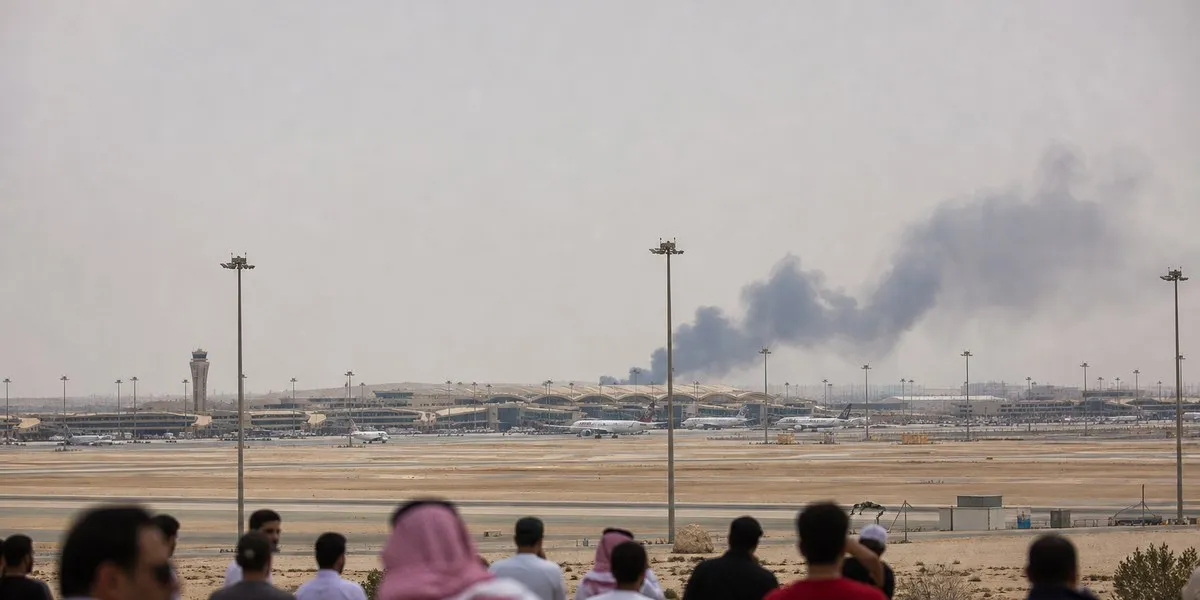
The backdrop of this intelligence exchange is a notable escalation in Houthi attacks against Saudi Arabia. Recent incidents, as reported by the Jerusalem Post, have led to significant casualties, including an attack on a presidential palace complex that claimed five lives, and another assault on King Khalid International Airport in Riyadh resulting in 17 fatalities and over 300 injuries. Such actions illustrate the Houthis’ increasing capability to threaten Saudi interests, raising alarms about regional stability.
The New York-based Soufan Center has remarked that these strikes enable Iran to project power across the region. However, contrary to these assertions, Iranian Foreign Ministry spokesperson Esmail Baghaei denied any direct involvement in the Houthi operations, labeling the group as independent actors who are guided by their own interests. This denial raises questions about the authenticity of claims regarding Tehran’s influence in the conflict.
The Houthi Advantage
Experts on Yemen, such as Adam Baron from the Washington think tank New America, have emphasized that the support from Iran, alongside other allies in the so-called “axis,” has played a pivotal role in the Houthis’ rapid military advancements in recent months. This support not only aids their operational capacity but also enhances their overall strategic position in the ongoing conflict, complicating the landscape for Saudi Arabia and its allies.
As the situation continues to unfold, the implications of this intelligence cooperation between Iran and the Houthis cannot be understated. It has the potential to reshape power dynamics in the region and elevate tensions, particularly as the Houthis achieve greater military capabilities. This evolving alliance necessitates close monitoring, as its effects could reverberate beyond the borders of Saudi Arabia and Yemen, influencing regional stability and international relations across the Middle East.
In summary, the intertwined fates of Iran and the Houthi movement illustrate the complexities of warfare in this volatile region. Their strategic alliance, underscored by robust intelligence sharing, poses ongoing challenges for Saudi Arabia and has far-reaching consequences for geopolitical stability in the area.