
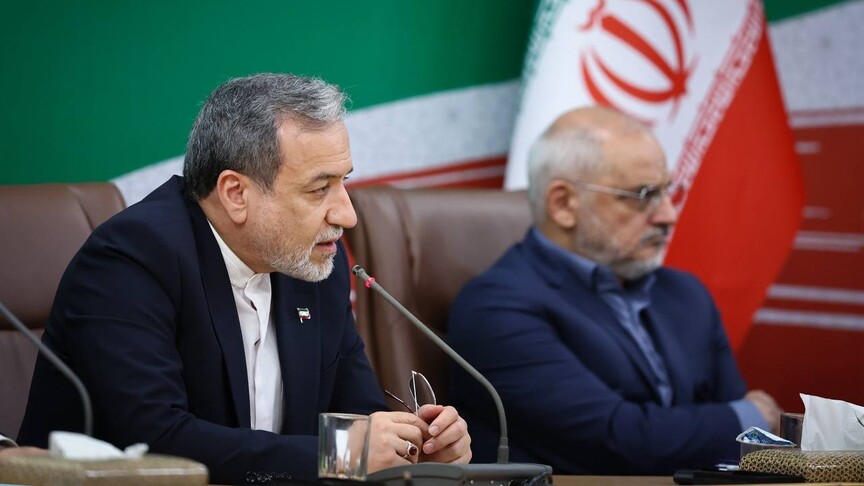
Iran is currently open to diplomatic discussions but insists on receiving “credible guarantees” before resuming negotiations, as stated by Foreign Minister Abbas Araghchi. This announcement was made during the 52nd session of the Organization of Islamic Cooperation (OIC) Council of Foreign Ministers in Baghdad.
Iran’s Stance on Negotiations
Araghchi emphasized that Iran rejects any forms of coercion, threats, or intimidation and will uphold its sovereign rights under pressure. He conveyed that while Iran is willing to engage in dialogue, it expects mutual respect and concrete assurances before proceeding. Over the last two years, he noted, Iran has approached negotiations sincerely, but has faced military escalations that have fostered deep-seated mistrust, complicating any future negotiations without protective guarantees.
Despite these challenges, Araghchi reiterated Tehran’s openness to diplomacy. He highlighted a prior proposal relayed through Qatar, which suggested reopening the Strait of Hormuz and restoring normal maritime activities provided certain conditions were met. Additionally, he referenced a significant agreement reached on June 17 between Iran and the United States, facilitated by Pakistan and supported by Qatar, which also sought to improve maritime traffic in the region.
Maritime Traffic and Regional Relations
According to Araghchi, maritime operations in the area saw a recovery to approximately 60% of their levels before previous conflicts within two weeks of initiating the June agreement; however, these efforts came to a standstill shortly after. This situation demonstrates the delicate balance required in regional diplomacy, particularly in light of ongoing tensions and the necessity for consistent communication.
On the topic of Yemen, Araghchi maintained that a military resolution is unattainable and that the conflict must be addressed through a fully inclusive political dialogue. Iran stands ready to assist in facilitating these discussions based on an established peace roadmap, presenting itself as a potential mediator in the crisis.
Support for Palestine and OIC Initiatives
Additionally, Araghchi reiterated Iran’s unwavering stance on Palestine, urging OIC member states to unify their efforts in supporting Palestinian rights and fostering cooperation in the face of adversity. He framed this as a crucial aspect of regional solidarity, enhancing the need for unified action among Islamic nations.
The two-day OIC meeting in Baghdad, which commenced with Iraq taking over the presidency from Türkiye, aims to tackle pressing issues such as regional crises, peace initiatives, and developmental cooperation. The theme of the conference, “Dialogue and Solidarity: Two Essential Pillars for Promoting Peace and Sustainable Development,” underscores the importance of collaborative efforts to achieve stability within the region.
As the international community watches closely, Iran’s call for mutual respect and credible guarantees may serve as both a roadblock and a potential bridge in its diplomatic efforts. Ongoing discussions will be essential in shaping the future dynamics of regional relations and establishing a foundation for lasting peace.