
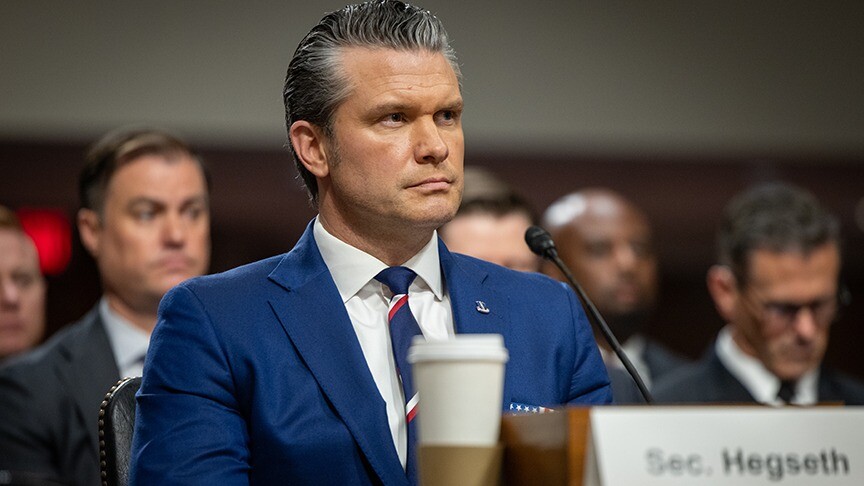
On October 17, 2026, U.S. Defense Secretary Pete Hegseth made significant statements regarding Iran and its nuclear aspirations during an address at the University of Tennessee. He highlighted the critical choices facing Iran and framed the U.S. military strategy in a broader context of global authority and influence.
Iran’s Nuclear Dilemma
In his speech, Hegseth asserted that Iran must soon decide between renouncing its nuclear ambitions or facing severe military repercussions from the United States. He emphasized the urgency of this choice, stating, “Iran’s going to have a choice to make real quick about whether they’re going to give those up at the table or face the kind of devastation that America can bring.” This stark message underscores the position of the U.S. government in its ongoing negotiations and the potential consequences for Tehran’s ambition in developing nuclear capabilities.
The Role of Military Strength
Hegseth argued that Iran has been expanding its conventional missile arsenal as a means to deter military action while simultaneously pursuing its nuclear objectives. He stressed the importance of U.S. military strength as a lever to encourage adversaries to come to the negotiation table. By showcasing America’s military capabilities, the defense secretary claims the U.S. can significantly affect the strategic calculus of its adversaries, compelling them to reconsider aggressive posturing and engage in constructive dialogue.
Funding of Proxy Groups
In addition to discussing nuclear ambitions, Hegseth pointed out that Iran is financing various proxy groups, including Hezbollah and the Houthis in Yemen. He explained that this financial support is used to bolster regional influence and destabilize nations, necessitating a stronger U.S. response. Hegseth indicated that efforts are being made to deter these aggressive actions against U.S. personnel and assets, tying in this military-focused strategy to a broader framework of national security.
A Broader Strategy for the Americas
The defense secretary connected U.S. military strategy in relation to Iran to President Donald Trump’s broader initiative to reaffirm American dominance on the global stage. He suggested that this approach includes tackling challenges posed by adversaries like Iran, China, and Russia, particularly in Latin America. Hegseth highlighted Venezuela’s strategic importance, referring to the nation as a crucial ally due to its rich oil reserves and the potential implications of U.S. operations there.
Hegseth’s remarks reveal the complexities of U.S.-Iran relations, illustrating that military readiness and diplomatic engagement are vital components of the current U.S. strategy. As Washington seeks to maintain and expand its presence in the Western Hemisphere, the implications of these policies will undoubtedly influence not just regional stability but also the broader global balance of power.