
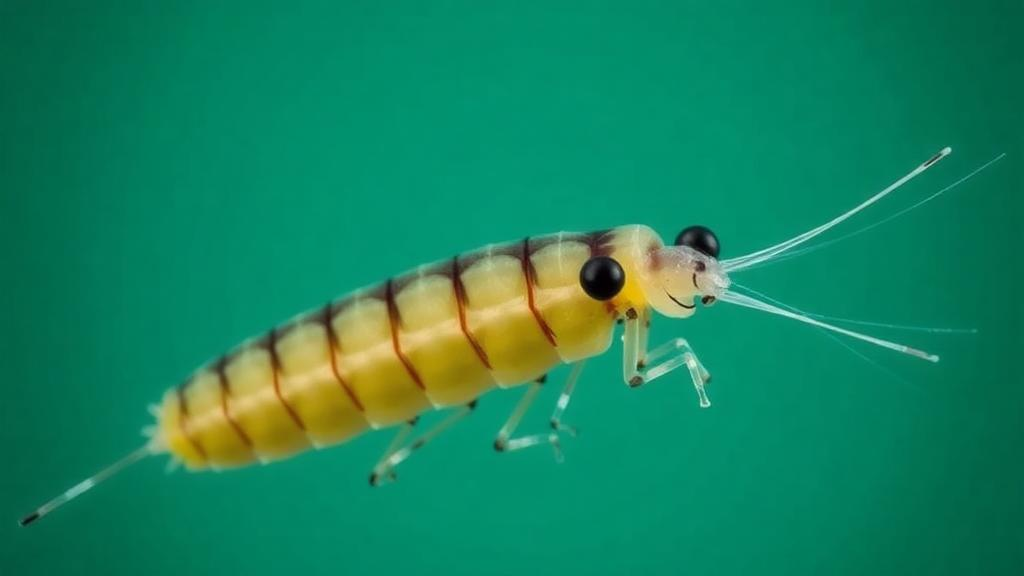
Deep within Iraq’s freshwater bodies, marshlands, and coastal zones thrives a diverse community of small crustaceans known as copepods. Often referred to as the unsung heroes of aquatic ecosystems, these tiny organisms play a vital role in maintaining food webs. Copepods inhabit various aquatic environments, where they consume algae, feed fish larvae, transport nutrients, and act as indicators of ecological health. A recent study, published in ZooKeys, has compiled the first comprehensive inventory of these free-living copepods in Iraq, culminating in a crucial resource for researchers and conservationists alike.
Comprehensive Research Methodology
The research team undertook an exhaustive review of scientific literature stretching from 1921 to 2025. Their objective was to gather every valid record of free-living copepods from Iraq’s aquatic habitats. The study specifically focused on species-level identifications, ensuring that only those with confirmed localities and accepted nomenclature were included. Exclusions were made for parasitic forms and indeterminate larval stages. This meticulous approach produced a standardized list featuring 51 recognized copepod species categorized into three primary orders: Calanoida, which includes 26 species; Cyclopoida with 20; and Harpacticoida, which has 5. Each species name was verified against the World Register of Marine Species, correcting any outdated synonyms or misspellings.
Ecological Insights and Biogeographical Significance
The findings reveal a distinctive duality in Iraq’s copepod fauna. Of the recorded species, 22 are predominantly associated with freshwater habitats, showcasing the strong continental aspect of the Tigris-Euphrates basin. In contrast, 29 species originate from marine environments, primarily in southern Iraq, where brackish waters dominate due to tidal interactions with the Arabian Gulf. Cyclopoids are most prevalent in rivers and marshes, whereas calanoids include both freshwater and marine taxa. Harpacticoids, typically found in sediments, are notably underrepresented, likely due to limited sampling rather than low actual diversity.
One of the most pivotal discoveries is Phyllodiaptomus irakiensis, which is recognized as Iraq’s only endemic copepod. First identified in 2008, this calanoid species is native to the Shatt al-Arab River system and signifies a localized extension of its ancestral lineage. This finding underscores Iraq’s unique position as a biogeographical crossroads, where temperate and tropical copepod species coexist.
Emerging Threats and Gaps in Knowledge
The checklist also highlights impending ecological challenges, including the introduction of invasive species like Limnoithona tetraspina, an estuarine cyclopoid native to East Asia. This invasive species, transported likely via maritime ballast water, poses a risk to native plankton communities and aquatic ecosystems. Additionally, Pseudodiaptomus marinus, another calanoid potentially from the northwestern Pacific, has been documented in Iraqi coastal waters. This raises concerns over the vulnerability of local ecosystems to biological invasions, thereby warranting closer examination of these newcomer species.
Despite the checklist’s contributions, significant gaps remain regarding copepod diversity in Iraq. Comparisons with neighboring regions reveal that reported species richness is largely dependent on sampling efforts and habitat exploration. For example, while only 12 copepod species have been identified in the Turkish segment of the Euphrates-Tigris River Basin, Turkish inland waters host a significantly higher diversity. Much of the research in Iraq has focused on major river systems, leaving other habitats—like sediments and temporary waters—largely unstudied.
Future Research Directions
Overall, the authors contend that Iraq likely harbors a greater diversity of copepods than currently documented. To understand this more completely, it is essential to conduct thorough surveys of underrepresented environments and revisit uncertain historical records. Incorporating methodologies that combine morphological data with molecular techniques will enhance taxonomic accuracy. Furthermore, ongoing monitoring of Iraq’s freshwater and marine ecosystems is critical as they face increasing pressures from environmental changes, including salinization and habitat loss. This checklist serves not only as a vital resource but also as a foundational step towards ecosystem conservation and biodiversity assessment across the region.