
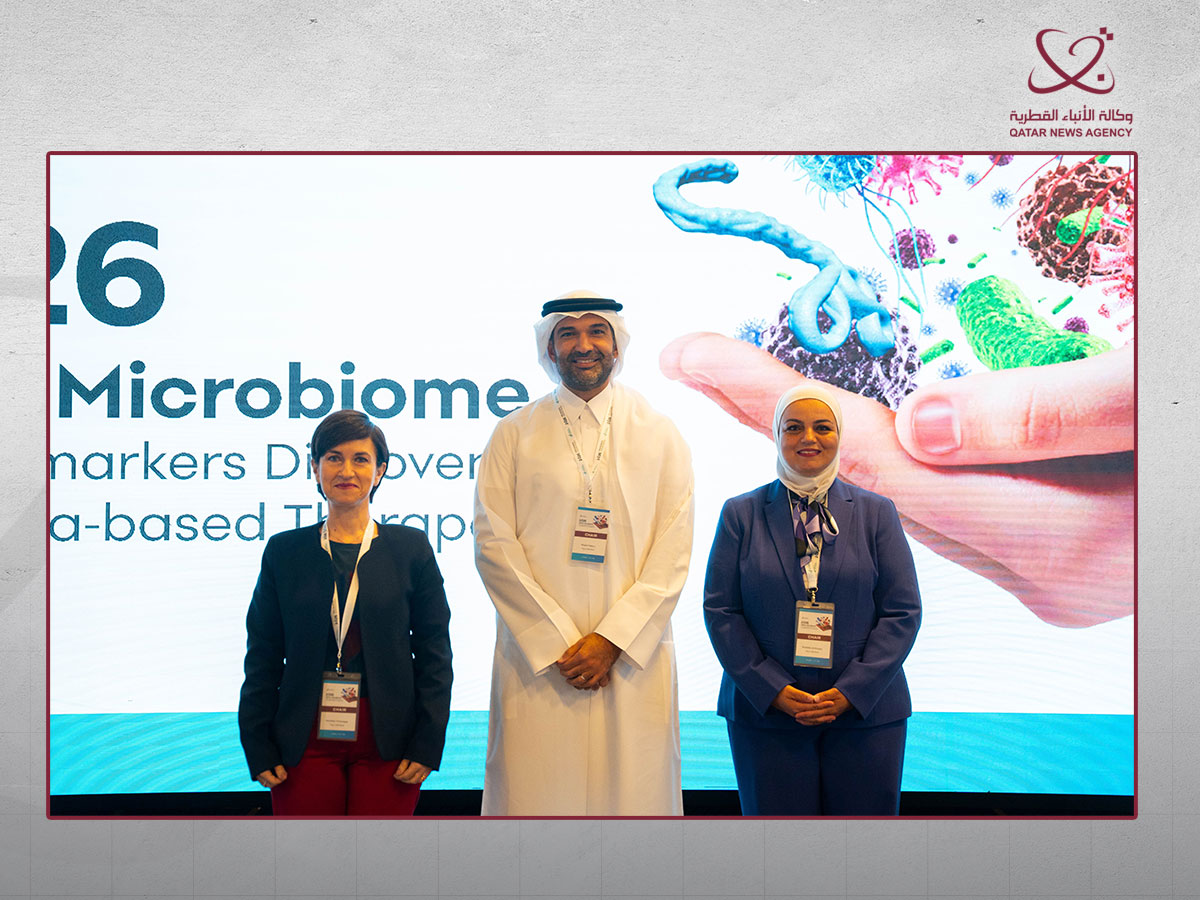
Doha has become a focal point for advancements in microbiome research with the opening of the second MENA Microbiome Conference 2026, hosted by Sidra Medicine, a prominent member of the Qatar Foundation. This event is pivotal for those involved in healthcare, including researchers, medical professionals, and industry leaders, offering a platform for discussions on groundbreaking discoveries in microbiome science and its potential implications for healthcare.
Exploring Women’s and Children’s Health Through Microbiome Science
The conference’s theme, “From Biomarkers Discovery to Microbiota-based Therapeutics,” emphasizes the importance of microbiome research in enhancing health outcomes, particularly for women and children. On the inaugural day, discussions revolved around how the microbiome plays a crucial role in reproductive health, pregnancy outcomes, and early infant development. Conference Co-Chairs, Dr. Souhaila Al Khodor and Dr. Annalisa Terranega, presented compelling insights into the impact of the maternal microbiome in shaping an infant’s microbial community during the critical first 1,000 days of life, as well as how breast milk contributes to an infant’s health.
Dr. Al Khodor noted the conference’s significance in framing a new dialogue around personalized healthcare in Qatar. The day also highlighted the discussions led by Dr. Jia Xu that explored the links between hormonal changes and microbial diversity in women’s reproductive health, delving into how these factors may influence conditions related to fertility.
Advancements in Pediatric Microbiome Research
The pediatric focus of the conference was evident in sessions led by experts like Dr. Nikhil Pai, who discussed the urgent need for pediatric donor stool banks for therapeutic purposes. This initiative is underscored by the announcement of QMicrobe, Qatar’s inaugural pediatric donor stool bank aimed at enriching microbiome research. Dr. Al Khodor described QMicrobe as not just a research initiative but a commitment toward advancing knowledge that could improve health outcomes for young children.
In partnership with Dr. Majdi Osman from Cambridge University, QMicrobe aims to combine clinical assessments with advanced genomics to uncover microorganisms that hold therapeutic promise. This collaborative effort is designed to generate relevant, localized research data that reflects Qatar’s demographic diversity and addresses pressing health challenges facing children.
Investigating Maternal Nutrition and Neurodevelopment
Another key highlight from Day 1 was a study led by Dr. Terranega, which examines how maternal diet during pregnancy, specifically fatty acid intake, influences a child’s neurodevelopment and the risk of neurodevelopmental disorders (NDDs) such as autism and ADHD. This research is particularly timely, given Qatar’s focus on addressing these public health concerns through the Qatar Foundation’s Autism Strategy 2025-2035.
The innovative approach involves a mother-baby cohort study that will assess the ways in which maternal nutrition can serve as a modifiable risk factor for NDDs. In addition to measuring dietary influences, the study will utilize Sidra Medicine’s facilities to test various dietary impacts on neurodevelopment using zebrafish models, further validating the findings and assessing potential health implications for future generations.
In conclusion, the MENA Microbiome Conference 2026 serves as a catalyst for dynamic discussions and research that could redefine healthcare strategies in Qatar and beyond. As the focus shifts towards microbiome health in women and children, the insights gained from this conference promise to facilitate the development of personalized treatments and interventions tailored to specific health needs, paving the way for a healthier future.