
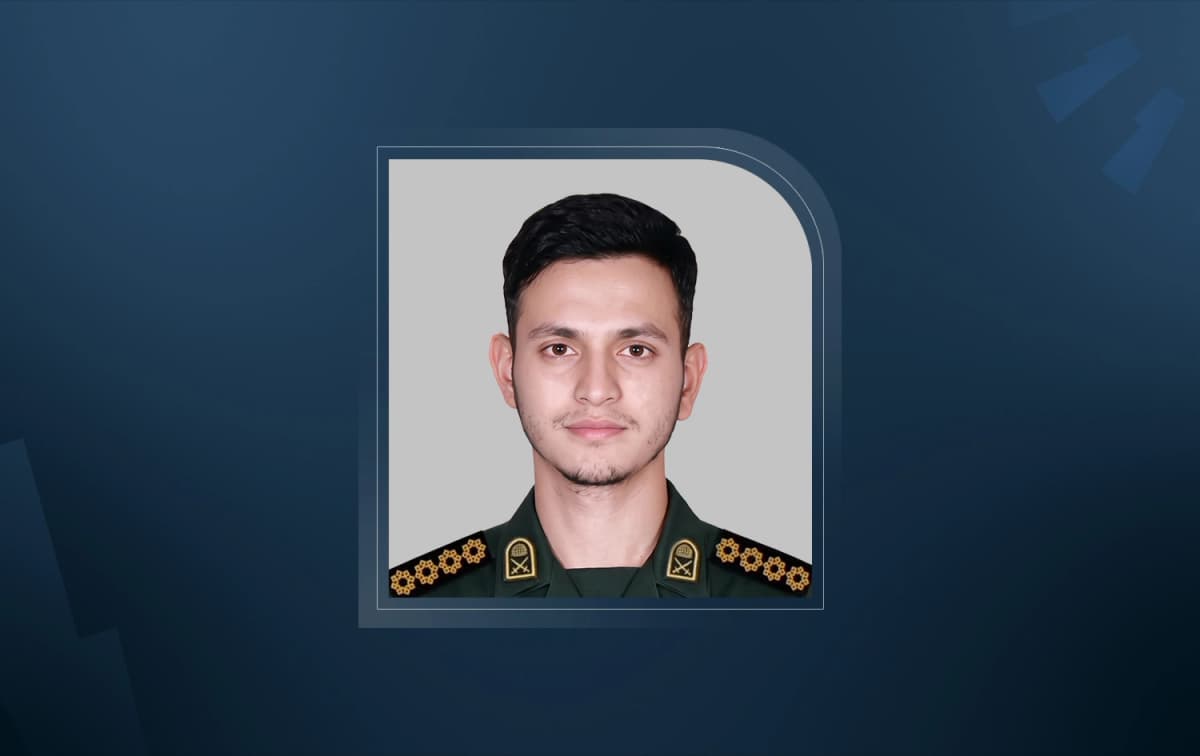
A captain from Iran’s Islamic Revolutionary Guard Corps (IRGC) was confirmed dead in a recent clash in the Qandil mountain range, situated near the Iran-Iraq border. This incident underscores the rising tensions between Iranian military forces and Kurdish opposition groups that operate in the border regions.
Details of the Incident
Captain Sina Ahmadi met his demise during military operations on Saturday, as reported by a local Iranian news outlet linked to the IRGC. Specifics surrounding his death remain vague, with the outlet referring to him solely as a “martyr.” This ambiguous reporting prompts speculation about the circumstances leading to his death, further fueling discussions about the ongoing conflict in the area.
The Iranian news agency affiliated with the IRGC, Fars News, also confirmed his death. Ahmadi, believed to be from Khoy, a regional city in Iran’s northwestern West Azerbaijan province, was honored with condolences that circulated on social media platforms.
Military Tensions and Kurdish Opposition
Kurdish opposition groups have been historically active in the mountainous region straddling the divide between Iran and the Kurdistan Region. Here, clashes between these groups and the IRGC are not uncommon, as they frequently occur in their efforts to assert their political and cultural rights. The reported death of Captain Ahmadi takes place amid escalated military operations by the IRGC against these Kurdish entities, particularly targeting factions such as the Kurdistan Free Life Party (PJAK).
The IRGC has ramped up its military efforts, deploying explosive-laden drones and heavy artillery in the region. Over the past few days, Iranian forces have launched targeted assaults on PJAK positions in the Shaho mountain range, indicating a strategic objective to diminish the group’s influence and capabilities.
Broader Implications of the Conflict
The violence flaring up in the region is particularly concerning, as tensions have been exacerbated by Iran’s ongoing conflict with the United States. Simultaneously, Iranian drone and missile strikes are aimed at Kurdish opposition forces based in neighboring Iraq’s Kurdistan Region. This multifaceted conflict reflects a complex interplay of local power dynamics and broader geopolitical tensions featuring various actors.
As the IRGC continues its campaign, recent announcements from the armed wing of PJAK, known as the Eastern Kurdistan Units (YRK), emphasize their commitment to self-defense. They have warned that if Iranian attacks persist, they will exercise their right to defend themselves.
In summation, the death of Captain Ahmadi draws attention to the increasingly volatile situation in the Iran-Iraq border region, marked by ongoing military confrontations between Iranian forces and Kurdish opposition groups. With the IRGC’s escalations, the potential for further conflict and instability remains a pressing concern for the area.