
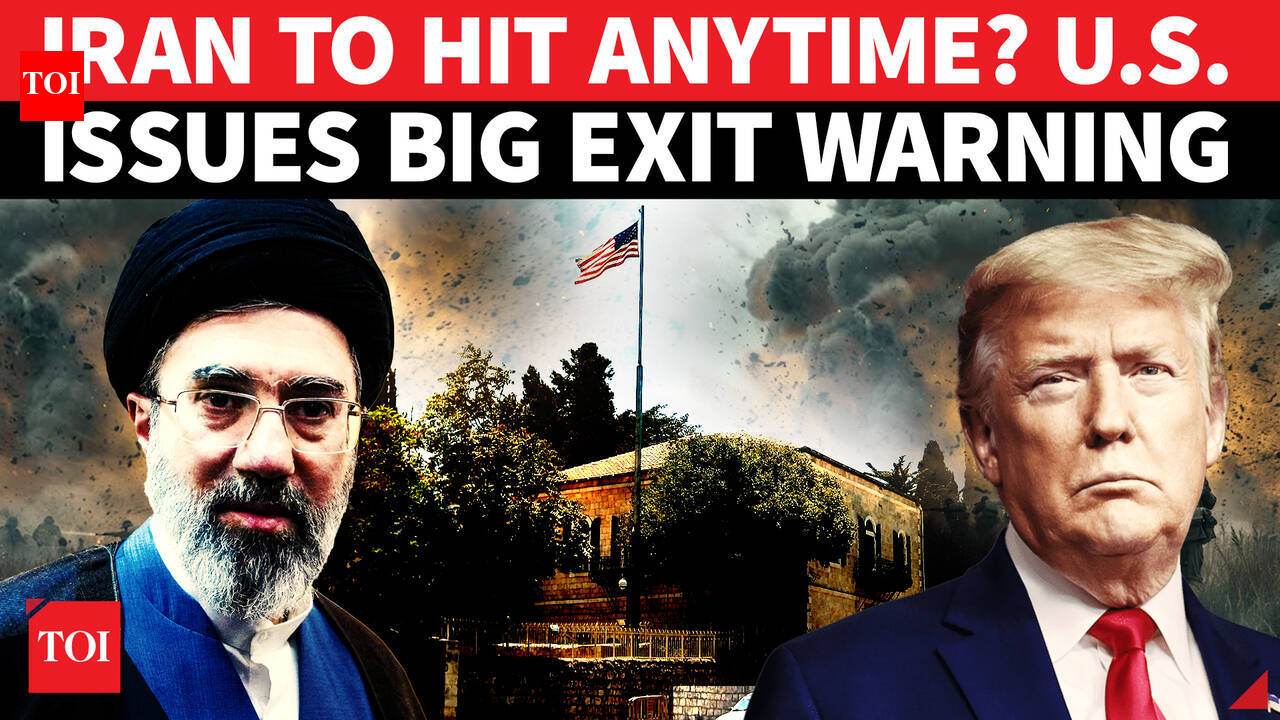
Iran has issued a dire warning regarding its response to potential military actions targeting its nuclear facilities. The threats have intensified following U.S. President Donald Trump’s suggestions of possible strikes on the deeply buried Pickaxe Mountain, situated near Iran’s Natanz nuclear complex. The escalating rhetoric reflects both Iran’s determination to defend its nuclear capabilities and the high stakes involved in the geopolitical tensions surrounding the nuclear program.
Iran’s Response to Potential U.S. Actions
In a recent statement from Iran’s hardline Kayhan newspaper, the country emphasized that any attack on its nuclear sites would provoke a “harsh and merciless” retaliation. This stark warning underscores Iran’s commitment to safeguarding its nuclear infrastructure. The implications of such statements are profound, suggesting that any U.S. military action could lead to significant regional instability. The potential for heightened conflict raises concerns not only for Iran and the U.S. but also for neighboring countries who may find themselves drawn into a broader confrontation.
The Significance of Pickaxe Mountain
Pickaxe Mountain has garnered significant attention from military analysts and intelligence agencies due to its strategic importance. It is believed to house underground facilities that could withstand conventional air strikes, making it a target of interest for U.S. military planners. However, Iran has not publicly confirmed the existence of such a facility, further complicating the situation. The location’s proximity to Natanz, where Iran conducts its uranium enrichment activities, has only added to the urgency of the matter.
Concerns Over Nuclear Proliferation
International scrutiny regarding Iran’s nuclear ambitions has only grown in light of these developments. Western nations, particularly the U.S. and its allies, are increasingly wary of Iran’s nuclear capabilities and the potential for these to be weaponized. The conversation surrounding nuclear proliferation has become a focal point in understanding the broader implications of Iranian defiance against perceived threats from the West. Iran’s insistence on its right to develop nuclear technology aligns with its narrative of resistance against foreign intervention.
Future Implications for U.S.-Iran Relations
Tensions between the U.S. and Iran are at a critical juncture, particularly as dialogue on nuclear weapons pauses. The threats made by Iranian officials serve as a reminder that military actions can have serious and unintended consequences. Analysts warn that a misstep could easily escalate into a larger conflict, drawing in global powers and destabilizing an already volatile region. The future of U.S.-Iran relations depends heavily on diplomatic strategies and whether both nations can find common ground to address mutual concerns.
As the situation evolves, monitoring the rhetoric and the movements of both nations becomes crucial for understanding the trajectory of these conflicts. The stakes are undeniably high, and the potential repercussions of military engagement could have wide-ranging effects not only on Middle Eastern stability but also on global nuclear non-proliferation efforts.