
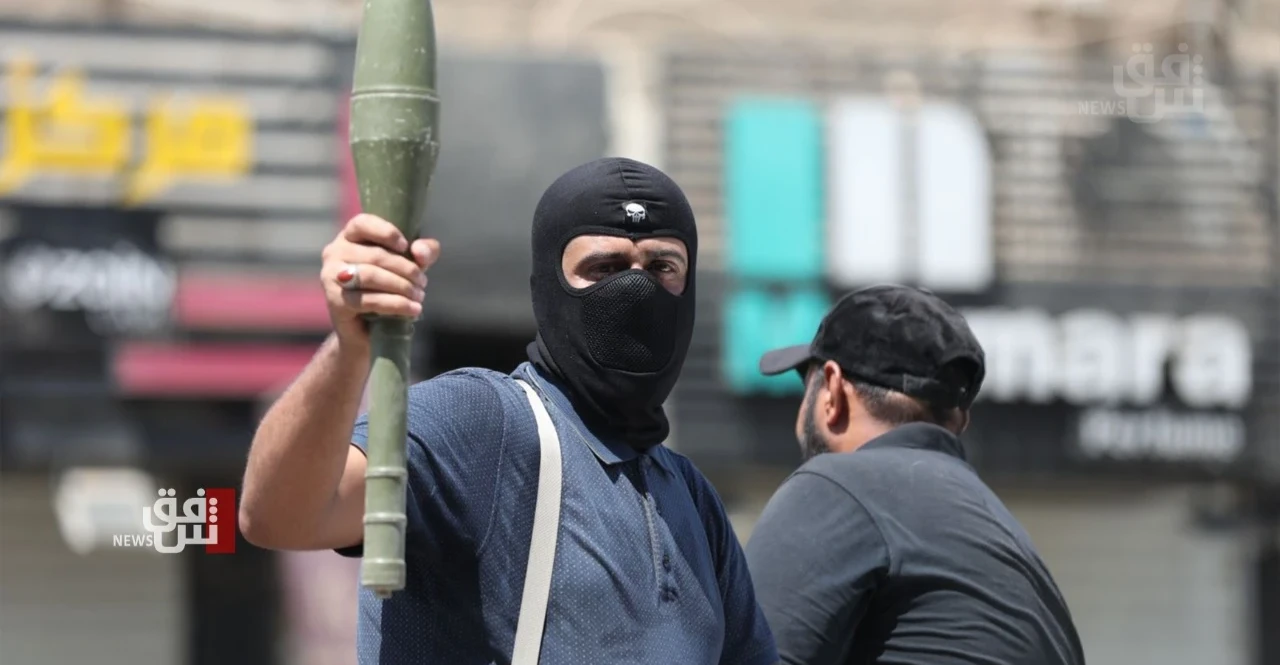
The Iraqi government has taken a firm stance on media-related violence, directing public institutions to adhere to the law and initiate legal actions against those inciting unrest through media channels. This directive reflects a commitment to maintaining social order and supports enforcing state control over weaponry.
Upholding Freedom of Expression within Legal Boundaries
The Prime Minister’s Media Office affirmed the importance of freedom of expression and media operations as protected rights under the Iraqi Constitution. However, it clarified that these rights come with responsibilities. The government emphasized that freedoms should not be exploited to provoke violence, promote internal conflict, support unauthorized armament, or back outlaw groups. This balancing act aims to ensure that the media remains a platform for constructive dialogue rather than a tool for chaos.
Legal Framework Supporting Government Actions
To bolster these directives, the Iraqi leadership insists on a rigorous enforcement of the law, particularly encouraging state institutions to file criminal charges against those who incite violence or disrupt efforts to regulate weapons. This approach is essential for safeguarding social harmony and enables the state to meet its legal obligations effectively. It is critical to understand that these actions align with the Iraqi Constitution and the Anti-Terrorism Law, particularly Articles 4 and 2 of Law No. 13 of 2005.
The Supreme Judicial Council has supported this initiative, noting that any use of weapons outside state authority constitutes a violation of the Anti-Terrorism Law. Consequently, penalties for inciting or financing violence can be severe, potentially including sanctions comparable to those facing direct perpetrators of criminal acts.
Penal Code References on Incitement and Responsibility
In conjunction with the Anti-Terrorism Law, the government has cited Article 195 of the Iraqi Penal Code No. 111 of 1969, which explicitly addresses encouraging citizens to engage in armed conflicts against one another. This legal framework is further bolstered by Articles 81, 82, and 83, which focus on criminal liability for media publications that unleash violence. These regulations establish a clear line of accountability for those involved in disseminating harmful content, ensuring that anyone who contributes to media that jeopardizes societal security can face legal repercussions.
In essence, the Iraqi government’s response underscores the need for vigilance and responsibility in the media landscape. By reiterating legal protections while imposing strict guidelines, officials aim to bolster the rule of law and minimize the chances of media incitement leading to violence. This proactive stance reflects a broader commitment to maintaining national stability, with the understanding that while freedom of speech is paramount, it must never come at the cost of public safety.