
Since the start of October, Iraq has significantly ramped up its oil exports, averaging over 3.4 million barrels per day. This figure, reported by Oil Minister Bassem Mohammed Khudair to the state news agency INA, brings Iraq close to pre-war export levels of 3.3 to 3.5 million barrels per day. The increase in output marks a robust recovery for the nation’s oil sector, particularly following past disruptions.
Record Exports in October
In comparison to September’s average of 2.65 million barrels per day, this October surge of approximately 750,000 barrels illustrates Iraq’s commitment to revitalizing its oil industry. In the previous month, around 250,000 barrels were transported daily via the Iraq-Turkey pipeline, which connects to the Turkish port of Ceyhan. This infrastructure plays a critical role in facilitating the movement of Iraqi oil to international markets.
Khudair also noted that Iraq employs three export routes: through the Strait of Hormuz, to Ceyhan, and by tanker trucks through Syria. The country plans to expand its export capabilities, with expectations that the first tanker trucks carrying Iraqi oil will reach the Mediterranean port mid-month. Despite these developments, the majority of Iraqi oil continues to be loaded at southern terminals in Basra, then shipped through the Strait of Hormuz, highlighting the region’s enduring importance in global oil logistics.
Strategic Shifts in Oil Deliveries
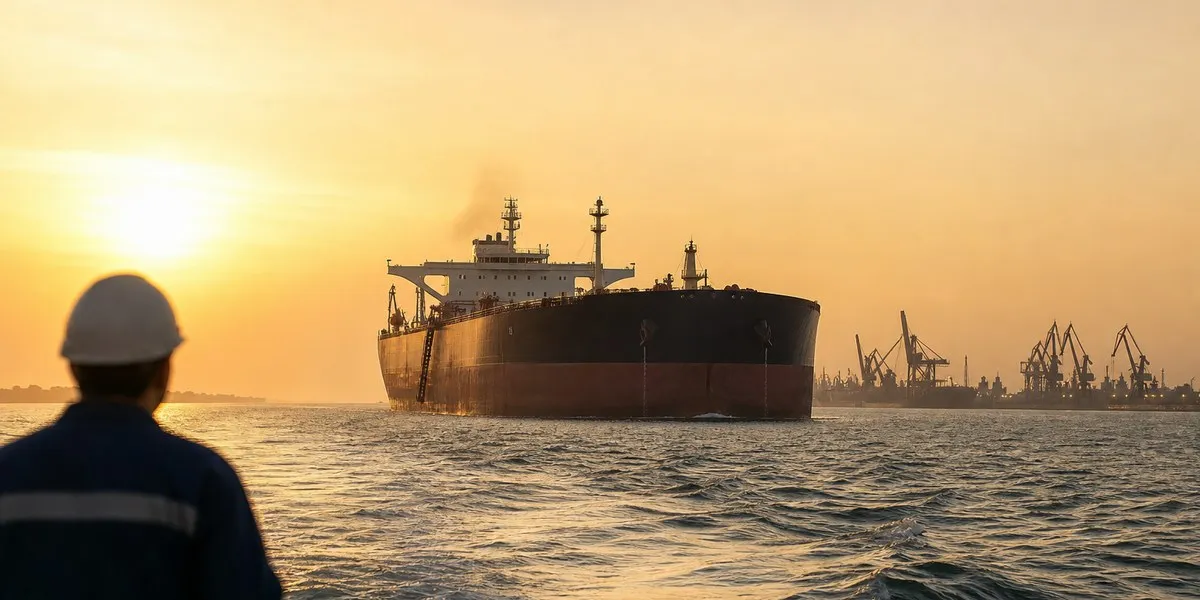
In a strategic move, Baghdad has begun delivering oil independently, bypassing the Strait of Hormuz to meet buyer demands while mitigating insurance costs associated with potential war risks. The state-owned Iraqi Oil Tankers Company successfully transported 2 million barrels of oil via a Very Large Crude Carrier, marking a significant milestone for the country’s oil marketing agency, SOMO, which had not delivered oil outside the strait for decades. Under previous arrangements, buyers would collect cargoes in Basra and assume the associated transit risks; now, with negotiations underway for the acquisition of its own fleet, SOMO is shifting toward self-sufficiency in oil transport.
The early months of the conflict significantly hindered oil production in southern Iraq, which plummeted by about 70% to roughly 1.3 million barrels per day. The Iraqi Foreign Minister, Fuad Hussein, recently estimated that the country has incurred losses of around $60 billion due to these disruptions. To recover from these setbacks and further enhance its oil production, Baghdad is advancing plans to increase export capacity to 5 million barrels per day. This ambitious target will be supported by projects to construct new pipelines to Fishkhabur and the Syrian port of Baniyas, alongside new export terminals along the Strait of Hormuz.
As Iraq continues to adapt its strategies, the global oil market will closely monitor its developments. Increased exports not only signal a revitalization of the industry but also contribute to Iraq’s economic stability, which hinges on robust oil revenues. The intricate balance of regional geopolitics and energy demands underscores the significance of Iraq’s oil sector in the wider context of global energy supplies.