
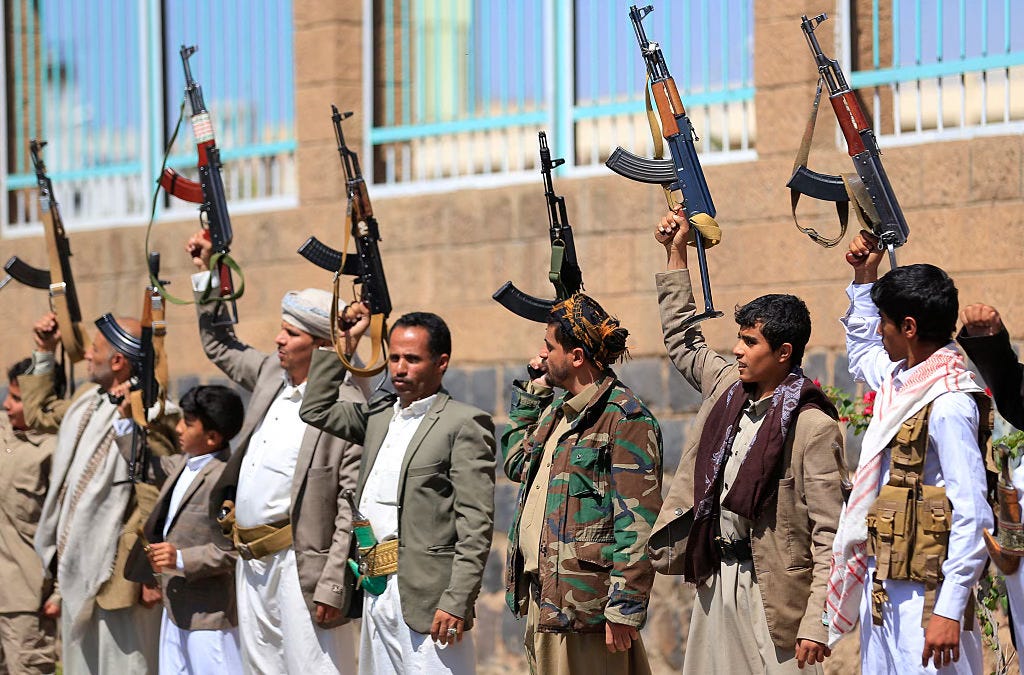
The conflict between Saudi Arabia and the Houthi rebels in Yemen is intensifying, with significant implications for regional stability and global oil supply. As tensions rise, the situation warrants close attention from both political analysts and energy market experts.
Escalation of Hostilities
The Houthis, an Iran-backed group, have recently escalated their attacks, targeting critical Saudi installations. They have struck a vital military base and several airports, as well as key oil infrastructure, including a pipeline that supplies around 5% of the world’s oil. These aggressive moves have raised alarms as the Houthis have also taken control of territory along the Bab al-Mandab Strait, a crucial maritime corridor through which about 12% of global goods transit, linking Europe and Asia via the Suez Canal. The potential disruption of trade routes could have far-reaching consequences for the global economy.
Saudi Arabia’s Response
Saudi Crown Prince Mohammed bin Salman has been vocal in seeking support from the United States, specifically urging President Trump to take military action against the Houthis. However, Trump has thus far been reluctant to intervene, which has left the Saudis feeling frustrated and vulnerable to the escalating attacks. A former U.S. ambassador highlighted the Kingdom’s growing anxiety, suggesting that the current scenario could be their worst-case outcome, particularly with the increasing aggression shown by the Houthis.
Global Concerns and Market Reactions
While Trump appears unfazed, asserting that “everything is going to work out fine and dandy,” experts are increasingly cautious about the implications of this conflict. Oil prices are sensitive to such geopolitical developments, and market analysts are keeping a close watch on the situation. A protracted conflict could not only affect oil prices but also disrupt the stability of international trade routes, raising costs globally.
Given the existing complexities in the region, including Iran’s support for the Houthis and the historical hostilities between Saudi Arabia and Iran, the stakes are notably high. Any miscalculation could lead to wider regional instability, increasing the likelihood of a broader conflict.
In conclusion, the ongoing conflict between Saudi Arabia and the Houthis is a situation that demands vigilance from various sectors, especially given its potential to impact global oil supplies and trade. As the situation unfolds, stakeholders in the energy market and foreign policy analysts will need to monitor developments closely to anticipate possible repercussions on global stability.