
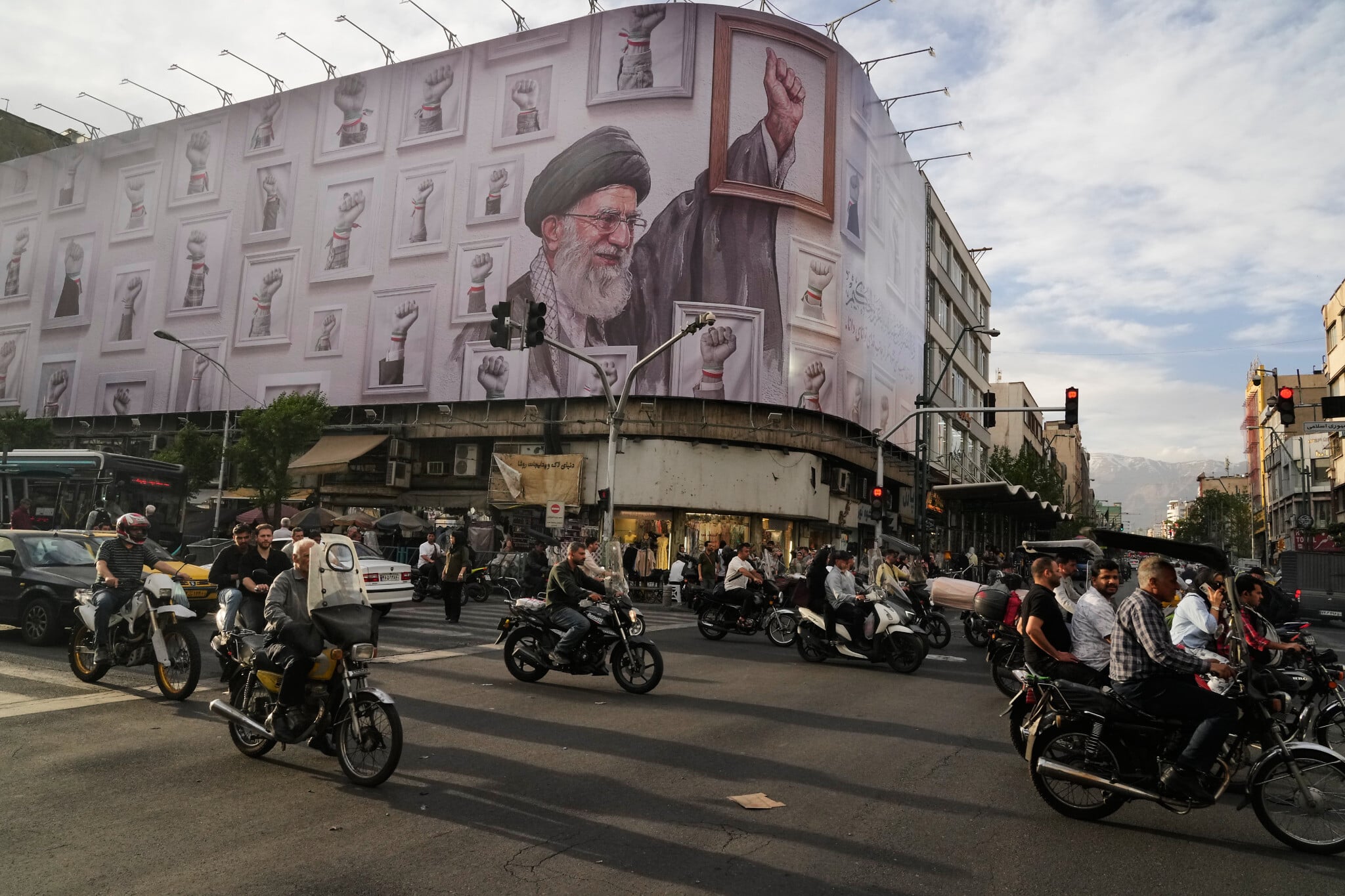
A Qatari delegation has arrived in Tehran with the support of the United States to work towards a resolution of the ongoing conflict with Iran. This initiative aims to address unresolved issues stemming from the war. Concurrently, U.S. President Donald Trump announced he would not attend the wedding of his eldest son, Donald Trump Jr., due to urgent matters requiring his attention in Washington, particularly issues related to Iran.
Trump’s Decision to Remain in Washington
Though President Trump expressed a desire to be present for his son’s wedding, he emphasized in a post on Truth Social that his responsibilities to the nation took precedence. He explained that remaining in Washington during this critical time was essential, reflecting his commitment to the government amidst escalating tensions in the Middle East. The wedding is set to occur on a private island in the Bahamas, and despite the event being small, reports have indicated that Trump Jr. had hoped for his father’s attendance.
The situation complicates the ongoing U.S.-Iran negotiations, especially given that Trump previously cited Iran as a significant reason for staying in D.C. His absence from family events highlights the balancing act politicians often face between personal commitments and national obligations.
Qatari Mediation Efforts
The engagement of the Qatari negotiating team in Tehran marks a notable development in the quest for peace, particularly as Qatar has traditionally distanced itself from direct mediation roles due to previous strikes from Iranian missiles and drones. It is reported that they are working to create a framework that would encompass peace in the region. This initiative is particularly significant given the complexities presented by Iran’s military posture and its strategic influence over key maritime routes.
Although Pakistan has played a main role as mediator since hostilities began, Qatar’s involvement underscores its strategic partnerships with the U.S. and its position as a back-channel conduit for dialogue between Washington and Tehran. The current ceasefire, which came into effect after military engagements began in late February, remains delicate. There is cautious optimism as both sides signal readiness for dialogue, even if no formal agreement has yet been reached.
Challenges in U.S.-Iran Relations
Recent developments indicate that while progress has been made, substantial hurdles remain. Key issues continue to revolve around Iran’s uranium enrichment and its control of the Strait of Hormuz, vital for global oil supply routes. U.S. intelligence has suggested that gaps in negotiations have narrowed, yet a viable resolution is still elusive. Secretary of State Marco Rubio remarked on the progress in discussions but stressed that significant work lies ahead.
In this complex geopolitical landscape, the role of external actors like Qatar has become increasingly important, especially after Iran’s aggressive military actions against its neighbors. The combination of ongoing military conflicts and economic repercussions, such as rising oil prices, intensifies the urgency for a resolution. The ongoing strife has resulted in economic instability and uncertainty, exacerbating global concerns about inflation and market volatility.
The Broader Implications
The conflict’s impact has extended beyond immediate geopolitical concerns, contributing to fluctuations in international oil prices and economic instability. Market analysts are closely watching the situation, with rising oil prices heightening fears of inflation across global economies. Such economic ramifications can create domestic pressures for leaders like Trump, who are already navigating complex political landscapes ahead of midterm elections.
As the U.S. and Iran continue negotiations, the stakes remain high. Trump indicated that the U.S. is determined to address Iran’s stockpile of enriched uranium, although Tehran’s insistence on its peaceful intentions complicates discussions. Overall, both the mediation by Qatar and the ongoing dialogue represent critical steps towards achieving a more stable and peaceful resolution in the region, yet the path ahead is fraught with challenges that demand concerted efforts from all parties involved.