
The recent statement by Iran’s Ambassador to Baghdad, Mohammed Kazem Al-e Sadegh, highlights a significant shift in Iraqi-Iranian relations. He announced that Iraq has committed to either expelling or handing over Iranian Kurdish opposition groups operating in the Kurdistan Region. This pronouncement follows a joint security meeting in Baghdad, emphasizing mutual security cooperation between Iraq and Iran.
Details of the Security Agreement
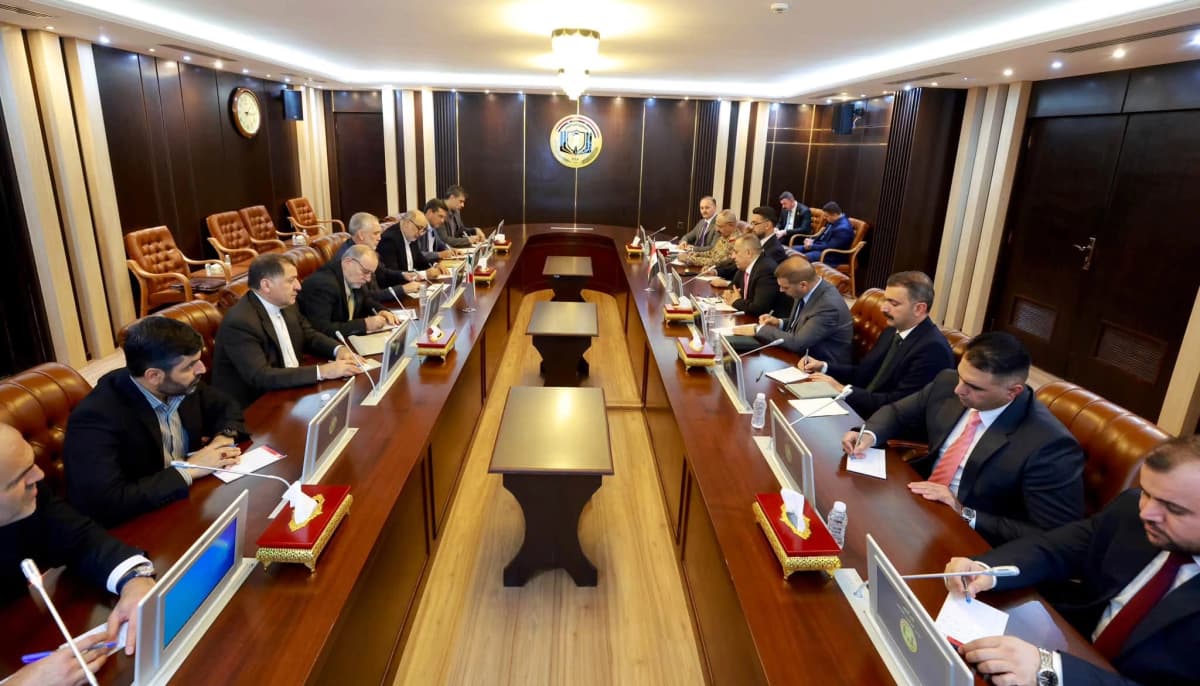
During a Monday meeting of a joint committee overseeing a security agreement between Iraq and Iran, discussions centered on expelling separatist groups. Al-e Sadegh mentioned that both nations agreed on measures to enhance security cooperation and tackle the presence of these groups within Iraq. The meeting included Iraqi National Security Advisor Qasim al-Aboudi, alongside representatives from both nations and the Kurdistan Regional Government (KRG). Iraq’s security advisor noted the gathering aimed to address pending issues and fortify security coordination among Baghdad, Erbil, and Tehran.
Context of Iranian Attacks
Iran has increasingly targeted the Kurdistan Region with missile and drone strikes, focusing on Kurdish opposition parties. This military action has intensified amid escalating tensions with the U.S., especially following remarks from the Trump administration indicating a possible renewal of operations against Iran. The Iranian ambassador’s statements align with a broader strategy to suppress groups that Tehran perceives as threats to its stability.
The Implications for Kurdish Groups
Iraq’s recent commitment to Iran has stirred concerns among Kurdish political factions. Groups like the Kurdistan Democratic Party of Iran (KDPI) and the Free Life Party of Kurdistan have established a long-standing presence in the region. Both Tehran and Baghdad view these groups with suspicion, accusing them of conducting activities detrimental to Iran. Despite Kurdish assurances that they would not engage in attacks against Iran from Iraqi territory, Tehran continues sporadic strikes.
Future Prospects for Resolution
Despite the agreement signed in March 2023, which included disarming Kurdish groups and securing the shared border, doubts linger about its implementation. Iraq’s statement did not mention the expulsion of groups, highlighting a push-pull dynamic in regional politics. However, the Iraqi government appears committed to resolving these tensions peacefully. Al-Aboudi expressed intentions to collaboratively address ongoing Iranian attacks, indicating a willingness to work through diplomatic channels.
The complexity of the situation reveals deep-rooted political and security dynamics affecting Iraqi-Kurdish relations and the broader implications for regional stability. As Iran intensifies its military stance, the Iraqi authorities face significant challenges in balancing internal security needs with external diplomatic pressures from Tehran.