
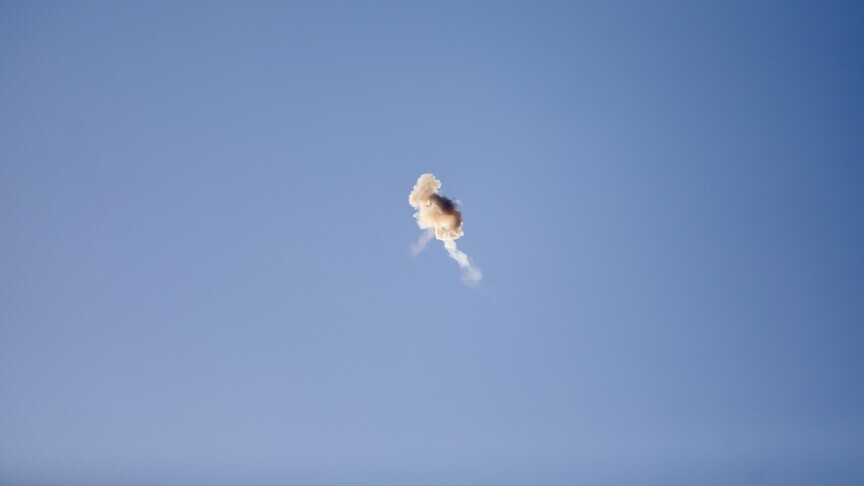
Iran’s Islamic Revolutionary Guard Corps (IRGC) recently announced the interception and destruction of a U.S. MQ-9 drone over the Strait of Hormuz. This event, reported by the semi-official Fars news agency, marks the continued tensions in a geopolitically critical area.
Details of the Incident
The IRGC stated that the drone was shot down in the early hours of Tuesday while it was operating over the vital waterway. According to their reports, this drone represents the 54th U.S. MQ-9 aircraft they claim to have destroyed. The persistent targeting of drones highlights the ongoing conflict between the two nations, emphasizing the heightened military engagement in the region.
The Broader Conflict
Relations between the U.S. and Iran have reached a boiling point, especially after the onset of military actions initiated on February 28. Following these hostilities, Iran retaliated with missile and drone strikes across neighboring countries. One of the most significant consequences of this conflict has been the effective blockade of the Strait of Hormuz, a crucial passage for global oil shipments. In response, the U.S. implemented a naval blockade on Iranian ports to exert further pressure.
Attempts at Diplomacy
Despite the escalating tensions, there have been efforts to establish some form of diplomatic dialogue. In June, the U.S. and Iran signed a memorandum of understanding aimed at guaranteeing freedom of navigation in the Strait of Hormuz. However, progress on implementing this agreement has encountered delays primarily due to disagreements concerning regional security. The inability to resolve these disputes continues to fuel the volatility in the region, creating uncertainty for maritime activities.
Implications for Regional Stability
The ongoing military confrontations and the destruction of drones signify a deteriorating state of affairs in the Strait of Hormuz, which is a critical artery for global oil transport. As both nations remain locked in this cycle of aggression, the risk of further military clashes increases. Stakeholders from around the world are particularly concerned about the implications for regional stability and global energy markets. The situation remains precarious, highlighting the urgent need for effective diplomatic engagement to avert a broader conflict that could have widespread repercussions.
In summary, the downing of the U.S. drone by Iranian forces exemplifies the intense friction that defines U.S.-Iran relations today. Though there have been attempts at diplomacy, the recurring military actions suggest that the road to peaceful resolution remains fraught with challenges. As the international community watches closely, the focus must shift toward fostering dialogue that can lead to lasting stability in this strategically important region.