
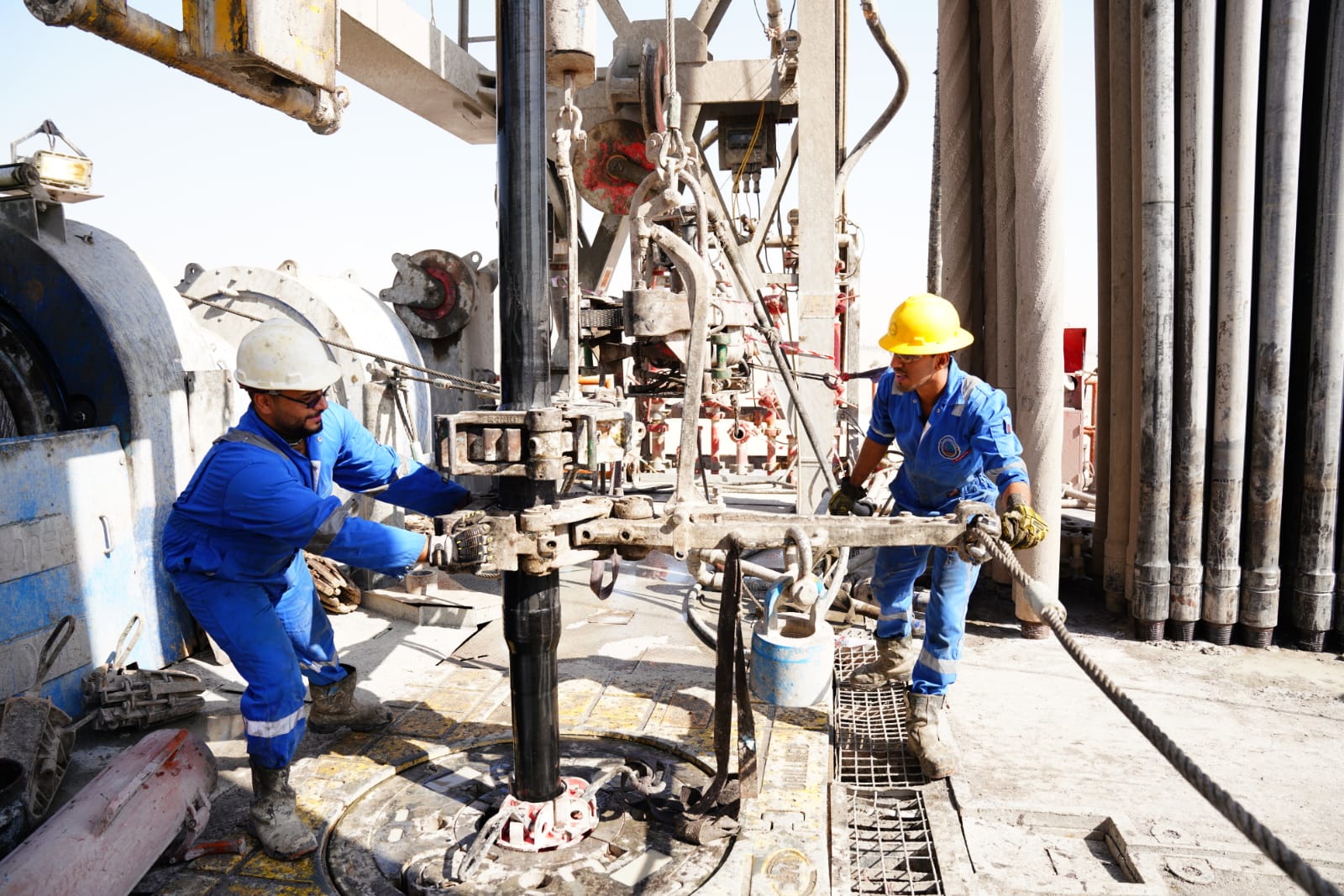
Oil production in Iraq has reached alarming lows, primarily due to the ongoing conflict with Iran. As a crucial player in the global oil market, any significant decline in Iraqi output raises concerns for both domestic stability and international energy supplies. Recent data indicates a stark drop in production levels, signaling a dire situation for the country’s economy.
Significant Decrease in Production Rates
In April 2026, Iraq’s oil production fell to 1.41 million barrels per day (bpd), a considerable decrease from the previous month’s output of 1.85 million bpd. This decline starkly contrasts with the 2025 annual average of approximately 4.79 million bpd. The figures, derived from detailed assessments of individual fields, underscore the urgency of addressing the challenges facing Iraq’s oil sector. This downward trend in production largely stems from disruptions caused by geopolitical tensions, particularly the Iran conflict, which is severely limiting exports from southern Iraq.
Impact on the Economy and Exports
The substantial dip in oil output raises critical questions about Iraq’s economic future. Oil serves as the backbone of Iraq’s economy, accounting for a significant portion of government revenue. The decline not only affects fiscal stability but also hampers public services and infrastructure development in a country that has faced decades of conflict and instability. Additionally, a prolonged period of low production can strain relationships with international partners relying on Iraqi oil and may lead to a reevaluation of contracts and investments in the oil sector.
Future Outlook and Challenges Ahead
Looking ahead, the situation poses several challenges for Iraq’s oil industry. In order to stabilize production levels and regain its position in the global market, Iraq needs to resolve ongoing conflicts and foster a more secure environment for both domestic and foreign energy investments. This includes improving infrastructure, ensuring the safety of operations, and addressing regulatory hurdles that have historically plagued the sector. The government’s ability to navigate these issues will be critical in restoring confidence among investors and revitalizing production capabilities.
In conclusion, Iraq finds itself at a crucial juncture as it grapples with declining oil production amid geopolitical turmoil. The combined pressures of economic uncertainty and international dependency on oil exports create a pressing need for comprehensive strategies to revitalize the country’s oil industry. Addressing these multifaceted challenges is essential for building a sustainable economic future and ensuring stability both regionally and globally.