
The situation between the United States and Iran continues to be tense, with new developments suggesting the potential for military action. As diplomatic discussions unfold, the Trump administration is weighing its options, highlighting the complexities of international negotiations and the security landscape.
Potential Military Action Under Consideration
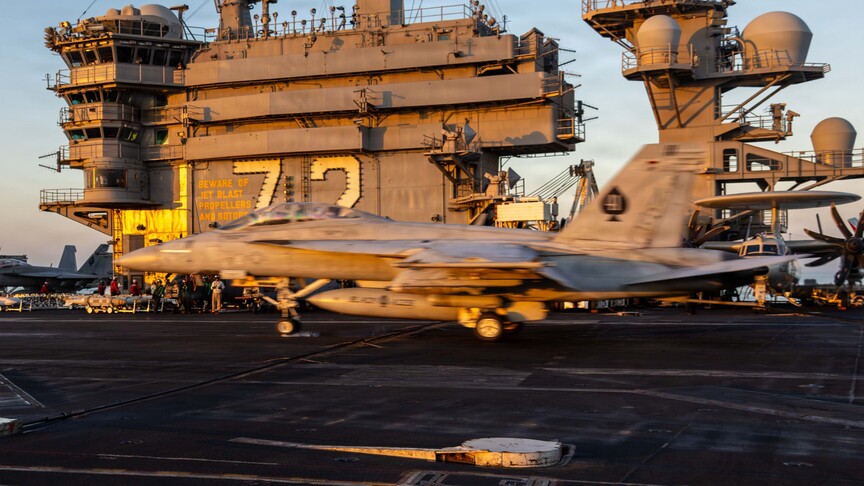
Reports indicate that the Trump administration is contemplating a new military operation against Iran. Despite ongoing diplomatic talks aimed at securing a new agreement, preparations for a possible offensive are reportedly in progress. As of now, no final decision has been made, but U.S. military and government officials are actively assessing the situation and making necessary adjustments.
According to CBS News, President Trump has altered his plans for the upcoming Memorial Day weekend. Instead of spending the holiday at his golf club in New Jersey, he has opted to return to the White House, citing “circumstances pertaining to Government.” This shift suggests a sense of urgency regarding potential military actions or responses to Iranian activities.
Military Readiness on High Alert
In light of the evolving situation, U.S. military and intelligence personnel have also modified their plans. This includes changes to holiday schedules as officials prepare for renewed conflict. The Pentagon is reportedly reviewing personnel recall lists for troops stationed abroad, particularly in the Middle East, where heightened tensions could trigger a wider escalation. As troop rotations continue, concerns are mounting about a possible retaliatory strike from Iran.
Moreover, since a temporary ceasefire initiated in April, the U.S. and Iran have managed to avoid direct conflict. This ceasefire has created a window for indirect negotiations aimed at a broader agreement. The situation remains fragile, with any misstep potentially leading to significant repercussions.
White House Stance on Iran’s Nuclear Ambitions
The administration remains adamant about preventing Iran from acquiring nuclear weapons. White House spokesperson Anna Kelly emphasized that all options are on the table should talks fail. This firm stance indicates that the U.S. is prepared for various scenarios, underscoring the gravity of the negotiations at hand.
Meanwhile, Iran’s Islamic Revolutionary Guard Corps issued a warning earlier this week, emphasizing that any future U.S. or Israeli attacks could escalate the conflict beyond the current regional boundaries. This statement reflects Iran’s commitment to defend its sovereignty vigorously, further complicating the already tense dynamics.
Anticipated Response from Iran
Tehran is expected to issue a response to a recent U.S. proposal delivered via Pakistan, which has acted as an intermediary in the discussions. The nature of this response could significantly impact the trajectory of negotiations and the overall stability in the region. As both nations navigate this precarious situation, the international community watches closely, aware that these developments could have far-reaching implications.
In summary, the ongoing tensions between the U.S. and Iran highlight the complexities of diplomatic relations in a volatile geopolitical landscape. As both sides continue to engage in high-stakes negotiations, the possibility of military action looms, reflecting the delicate balance between diplomacy and conflict.