
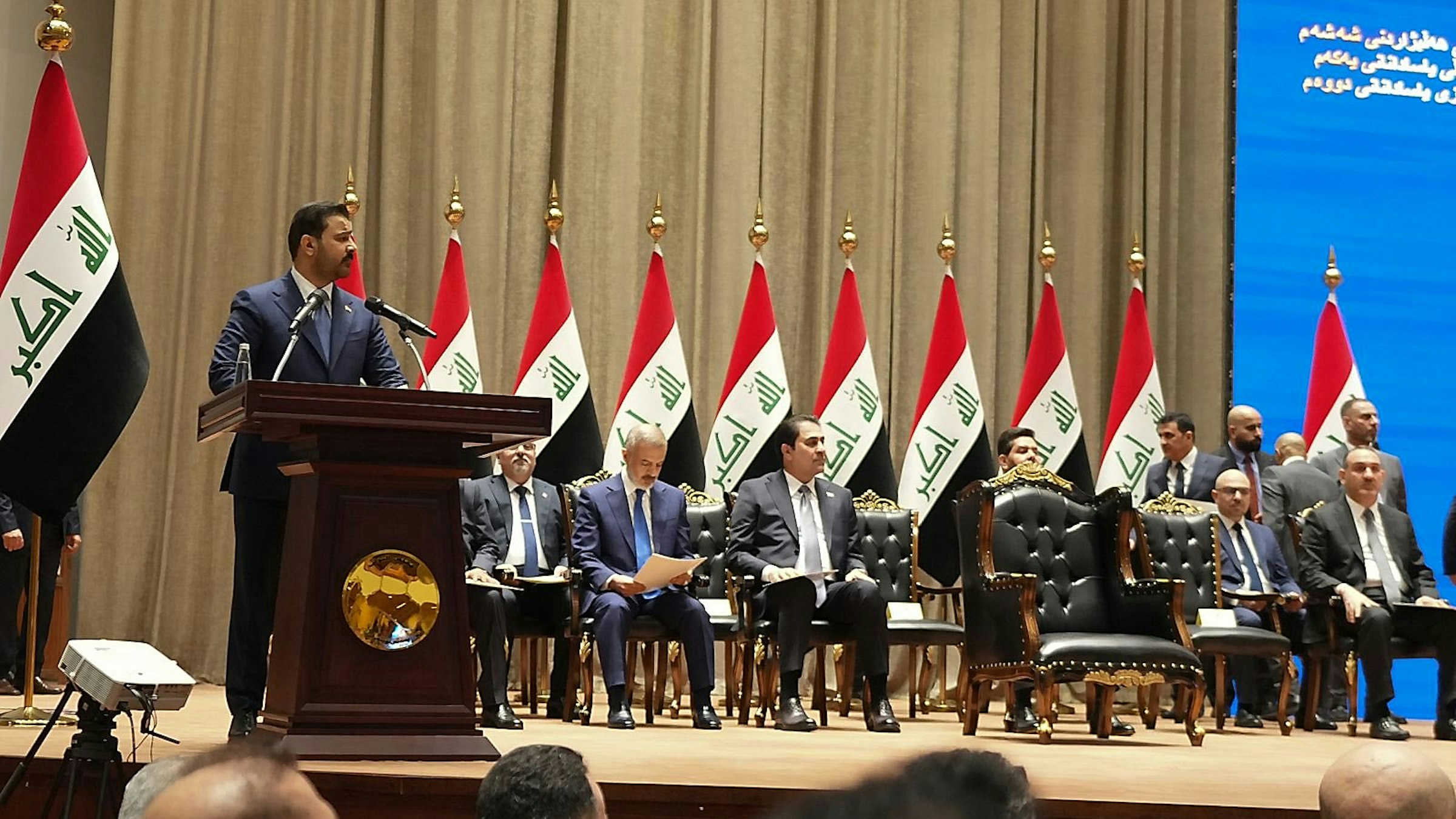
On October 15, a pivotal parliamentary vote almost finalized Iraqi Prime Minister Ali Al-Zaidi’s cabinet. This vote was significant for various reasons, including the appointment of several controversial figures, which has raised eyebrows and prompted discussions regarding the implications for both domestic and international politics.
Controversial Appointments in the New Cabinet
One of the most contentious decisions was the appointment of Laith Al-Khazali as deputy prime minister. Laith is the brother of Qais Al-Khazali, the leader of Asa’ib Ahl Al-Haq, a group known for its armed wing and connections to Iran. Adding a member of this family to a high-ranking position raises serious questions about the future direction of Iraq’s governance and security—especially given their status under U.S. sanctions. Interestingly, the fact that Laith Al-Khazali stepped into this role suggests a potential thaw in relations with Washington, hinting that his appointment might have received an implicit nod from U.S. officials.
This cabinet reshuffle also facilitated the inclusion of other armed factions in government roles. Such moves have prompted skepticism regarding the ramifications for Iraq’s political stability and governance. As these factions gain power, analysts are left to ponder what trade-offs might have been made to secure their participation in the cabinet. The inclusion of these groups could signal a shift in the balance of power away from traditional political entities, which could lead to uncertainties in legislative processes and national policy-making.
Implications for Governance and Regional Stability
The incorporation of armed factions into the government is more than just a domestic issue; it carries heavy implications for regional stability. By granting official roles to these groups, the Iraqi government may inadvertently legitimize armed militias that have historically been viewed with suspicion both locally and abroad. Such developments could easily affect Iraq’s foreign relations, especially with neighboring countries like Iran, which might see this as an opportunity to expand influence.
Furthermore, the appointment of individuals under U.S. sanctions raises complex geopolitical questions. While the U.S. has historically intervened to limit the power of certain militias, this new configuration may present a dilemma. On one hand, it highlights an evolving relationship between Washington and Iraqi leadership; on the other hand, it could complicate U.S. efforts to maintain stability in the region.
Public Reactions and Future Prospects
Public opinions regarding the cabinet appointments are mixed, with supporters arguing that inclusivity may foster greater national unity, while opponents worry that it legitimizes groups that have engaged in violence. The citizens’ responses will ultimately depend on how effectively the new cabinet addresses pressing issues such as corruption, public services, and security. The actual performance of this government will shape its acceptance among the populace, influencing future elections and political alignments.
As the dust settles from the October 15 vote, all eyes will remain on how Prime Minister Al-Zaidi navigates these complicated waters. Balancing the interests of armed factions, public sentiment, and international relationships will be critical for his administration’s longevity. Moving forward, the effectiveness of this cabinet will be a litmus test for Iraq’s democracy and peace, and it will serve as a barometer for U.S. involvement in the region. With such pivotal shifts underway, the ongoing situation requires close monitoring to understand the broader implications for Iraq and the Middle East.