
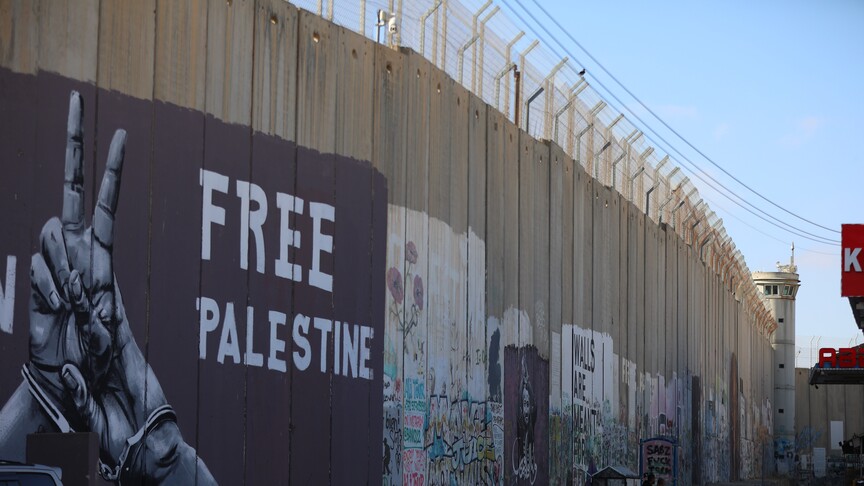
Israeli forces have transformed the occupied West Bank into what can be described as “fragmented prisons,” according to Mustafa Barghouti, Secretary-General of the Palestinian National Initiative. This alarming situation stems from multiple factors, including the systematic violence of the occupiers and an array of military operations that have drastically affected the lives of Palestinians residing in the region.
Military Checkpoints and Economic Paralysis
Barghouti highlighted the severe restriction of movement caused by over 1,300 military checkpoints established by the Israeli army, many of which are currently closed. These barriers have effectively separated cities and towns, creating a fragmented landscape that restricts basic access to daily life. The constant presence of military forces has paralyzed economic activities, disrupted education, and impeded healthcare services. Such restrictions not only affect the logistical movement of individuals but also have far-reaching implications on the overall well-being of Palestinian society.
Raids, Repression, and Agricultural Challenges
The situation is further exacerbated by frequent military raids across all West Bank governorates, leading to mass arrests, home demolitions, and ongoing repression. Farmers face significant challenges, particularly during the olive harvest season, with many being denied access to their lands. Barghouti pointed to these actions as part of a broader strategy by Israeli forces, who employ terror tactics against Palestinian communities to facilitate settlement expansion. This aggression against towns, villages, and cities converts the West Bank into a quasi-battlefield, where violence seems unending.
The Zionist Expansionist Agenda
In Barghouti’s view, the ultimate aim of these aggressive policies is to displace Palestinians from their land in order to fulfill what he describes as the “Zionist expansionist dream.” This includes annexation, Judaization, and further displacement of the Palestinian population. The continuous violence against Palestinians is portrayed as a tactic to reinforce Israeli control over the region and diminish prospects for a peaceful resolution.
The Need for International Attention
Despite the alarming circumstances, Barghouti expressed that the steadfastness of the Palestinian population, coupled with local committees standing against oppression, forms a critical barrier to the Israeli government’s plans. He urged the international community to cease its indifference to Israeli actions and called for tangible measures such as sanctions and a boycott against the occupation and its settlement policies. In his view, global solidarity with Palestinians is necessary to counter these abuses and advocate for their rights.
As the olive harvest season continues, reports indicate that approximately 750,000 Israeli settlers inhabit the West Bank, including occupied East Jerusalem, spread across 194 settlements and roughly 400 outposts. According to international law, these settlements are deemed illegal, yet they persist, underscoring the urgent need for action against ongoing injustices faced by the Palestinian people. The situation in the West Bank remains dire, requiring immediate attention from both local and global stakeholders to work towards restoring peace and justice in the region.