
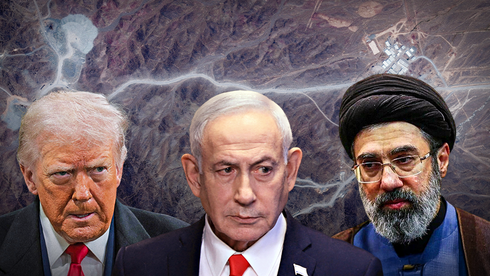
The latest developments surrounding the tension between Israel and Iran have raised significant concerns about the potential for renewed military action. Reports indicate that Israel was preparing to launch strikes against Iranian infrastructure, including nuclear facilities and power plants, as early as October 10. However, these plans were reportedly halted by intervention from former President Donald Trump.
Israel’s Military Considerations
The implications of Israel contemplating another military campaign against Iran are troubling, especially given the mixed outcomes of previous engagements. Historical attempts to weaken Iran’s military capabilities have not resulted in the overthrow of its government, raising questions about the effectiveness of such operations. Over the past three years, Israel has been stretched thin by conflicts on various fronts, leaving extensive damage and unresolved tensions along its borders with Iran.
Furthermore, Iran has shown resilience by maintaining its capabilities to disrupt maritime traffic in the Strait of Hormuz. Particularly, Iranian forces have continued to strike vessels, creating ripple effects in the global economy while nearby Gulf states have managed these tensions without direct military responses. This backdrop of ongoing skirmishes raises critical questions about the strategic viability of Israel pursuing further confrontations without a clearly defined objective.
Assessing Strategic Objectives
Former Israeli Military Intelligence official Danny Citrinowicz argues that there is currently no compelling reason for another military campaign against Iran. He explicitly states that there’s “absolutely nothing that justifies a war now” and that military planners should exercise caution before acting impulsively. He calls into question the efficacy of targeting Iran’s energy infrastructure, suggesting that it may neither topple the regime nor lead to a stable geopolitical outcome.
Citrinowicz emphasizes the need for a thorough examination of previous military efforts, which have failed to achieve their stated goals. He warns that another conflict will likely escalate into a broader regional war involving Iranian-backed groups such as Hezbollah in Lebanon and pro-Iranian militias in Iraq. As tensions rise, the potential consequences for Israel could be dire, amplifying the need for prudent decision-making.
The Role of Domestic Politics
Importantly, discussions about military action are further complicated by the political landscape, particularly in Israel, where elections are on the horizon. Citrinowicz highlights the dangerous intertwining of Netanyahu’s political considerations with strategic decisions regarding military engagements. The prospect of a military operation being motivated more by political gains than by national security needs is alarming.
He argues that launching a military campaign just two weeks before elections is irrational and underscores the urgent need for strategic clarity. He advocates for the importance of prioritizing Israel’s long-term interests over immediate political advantages, arguing that any decisions involving military action must be carefully assessed against historical precedents and current intelligence.
The Path Forward
As tensions continue to build, it is vital for Israeli policymakers to evaluate whether military options are the singular solution to the challenges presented by Iran. Citrinowicz underscores the necessity of maintaining strategic coordination with the United States while emphasizing the importance of an independent Israeli assessment of military strategies.
He concludes that without a clear understanding of the failures of past military operations, embarking on another possibly more perilous campaign would be unwise. It is essential to assess the broader implications of military action on regional stability and Israeli national security. Thus, careful deliberation backed by sound intelligence is more critical than ever as tensions with Iran persist.