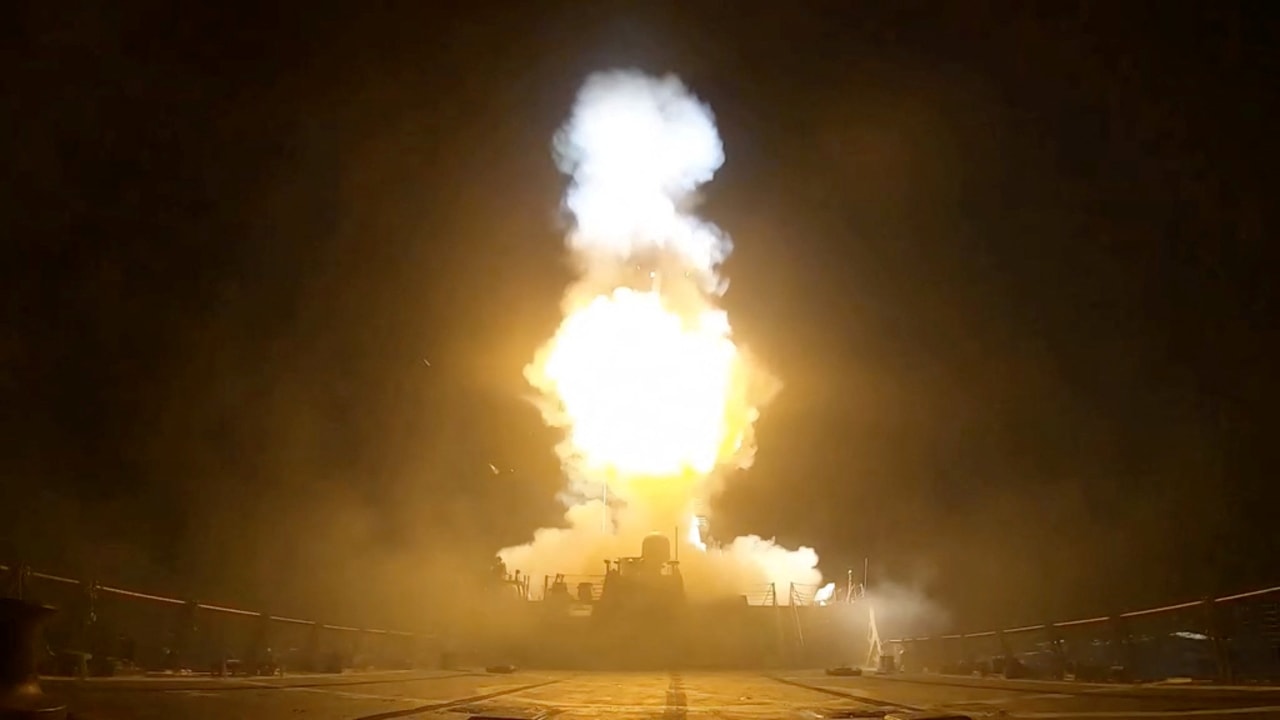
Despite a report from the Financial Times, sources from The Jerusalem Post have confirmed that the Israel Defense Forces (IDF) had no plans to conduct a strike on Iran on October 10. This statement comes amidst a backdrop of heightened military readiness by the IDF over recent months, particularly since the ceasefire established on April 7 between Israel and Iran.
Ongoing Military Preparedness of the IDF
In the context of increased tensions, particularly in light of a potential resurgence of hostilities, the IDF has intermittently been on a state of war footing. This alert status was particularly notable around the anniversary of October 7, when there were significant concerns that Iran might initiate aggression against Israel. However, officials, including Prime Minister Benjamin Netanyahu and Defense Minister Israel Katz, did not convey any specific orders to prepare for an offensive strike against Iran, contrasting the directives issued prior to previous conflicts in 2025 and early 2026.
Sources refuting the premise of the Financial Times report suggest that the narrative claiming U.S. President Donald Trump obstructed an imminent Israeli attack is inaccurate, as no attack was planned in the first place. According to experts, the idea that an attack could have been halted by Trump is fundamentally flawed since there were no concrete plans in place. This confusion may have been strategically leaked to influence domestic political landscapes in both Israel and the United States.
Political Implications and Speculations
There is speculation that the narrative of a foiled attack could serve political purposes. Netanyahu might use this to bolster his image as a decisive leader willing to take action against Iran, albeit thwarted by external pressure. Furthermore, such an account could aid Trump as he navigates the current political climate ahead of the midterm elections, presenting him as a responsible figure managing a contentious relationship with Iran—a concern shared by both major political parties.
While these speculations circulate, it is crucial to recognize that the IDF has maintained a constant state of readiness for potential military actions against Iran, primarily under two scenarios: either responding to an imminent Iranian strike or engaging in a joint military operation with the United States. The heightened readiness is indicative of Israel’s enduring stance towards its regional adversaries, particularly Iran.
Past Dynamics and Future Considerations
Trump previously indicated that he had opted against an attack on Iran in August, a decision that would have inevitably had implications for Israeli military involvement. With rising tensions, Trump has recently escalated his rhetoric towards Iran, highlighting particular military targets. Should the U.S. engage in military action, it could substantially increase the likelihood of Israeli participation given the ongoing collaboration between the two nations.
Moreover, there remain concerns regarding Iran’s military capabilities. Reports suggest that Iran has yet to sufficiently recover from the damage incurred during previous conflicts. Therefore, any future military engagements would likely differ in scale from prior operations, with Israeli officials calling for targeted action on Iran’s energy sector rather than an all-out war strategy.
In summary, the current situation underscores the complexity of Middle Eastern geopolitics. While preparations indicate a vigilant stance by Israel, key players continue to navigate a web of political, military, and diplomatic considerations that shape decisions within this volatile landscape.