
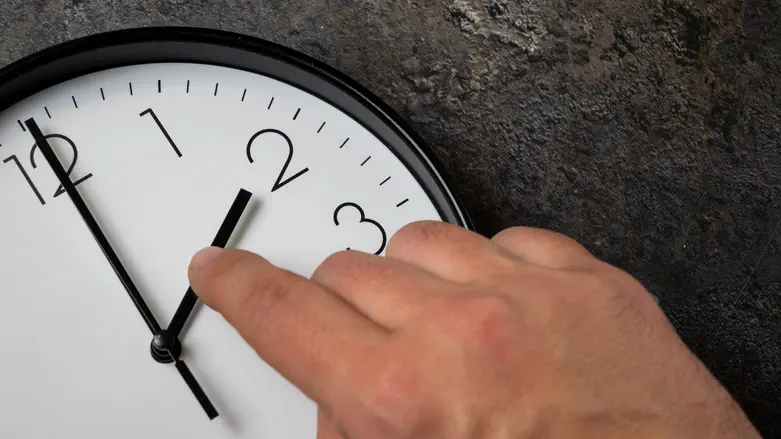
As Israel prepares to change its clocks, the transition from daylight saving time to standard time is set to occur this weekend. This shift allows residents to gain an extra hour of rest, but it also has broader implications for daily routines and overall well-being.
The Timing of the Shift
At 2:00 a.m. on Sunday, Israel will revert to standard time, with clocks rolled back one hour to 1:00 a.m. This adjustment signifies more than just an hour gained in sleep; it will also result in earlier sunrise and sunset times as the days grow shorter. Under Israel’s Time Determination Law, amended in 2013, the transition to standard time occurs each year on the last Sunday of October. Daylight saving time will return on the last Friday of March 2027, bringing longer evenings and more daylight hours.
Benefits of Standard Time
The primary aim of this transition is to synchronize daily activities with the available daylight. Dr. Oleg Popov, Head of Time and Frequency Measurements at Israel’s Ministry of Economy and Industry, emphasizes that it’s not solely about providing extra sleep. Instead, the focus is on optimizing daily schedules to make the most out of daylight hours. During summer months, the implementation of daylight saving time enriches evening routines by extending daylight, while reverting clocks in winter can help individuals commence their day in natural light.
Impact on Health and Well-Being
The Ministry of Economy has highlighted that this clock change is linked to seasonal alterations in natural light, which significantly affect the human body’s biological clock. In winter, when daylight diminishes, melatonin production, the hormone responsible for regulating sleep, can rise. This natural reaction can lead to a feeling of increased drowsiness for many people. Furthermore, serotonin levels, which play a critical role in mood regulation, may also drop due to reduced light exposure, potentially leading people to experience seasonal mood declines.
As the sun sets earlier, some individuals may feel a natural inclination towards rest, but others could struggle with the transition. It’s important for people to recognize how seasonal changes may affect their sleep patterns and mood.
Automation and Manual Adjustments
For those living in Israel, the change to standard time is mostly automated on modern devices. Smartphones and computers typically update their clocks autonomously if they are set to the correct time zone. However, individuals with older clocks or devices that don’t automatically adjust will need to manually set their clocks back by one hour. This simple task is crucial for ensuring that daily schedules remain consistent and punctual.
In summary, the switch from daylight saving to standard time in Israel this weekend allows for a realignment of daily routines with natural light patterns, contributing positively to public health and well-being. As people adapt to this change, being mindful of its impacts on mood and sleep can facilitate a smoother transition into the winter months.