
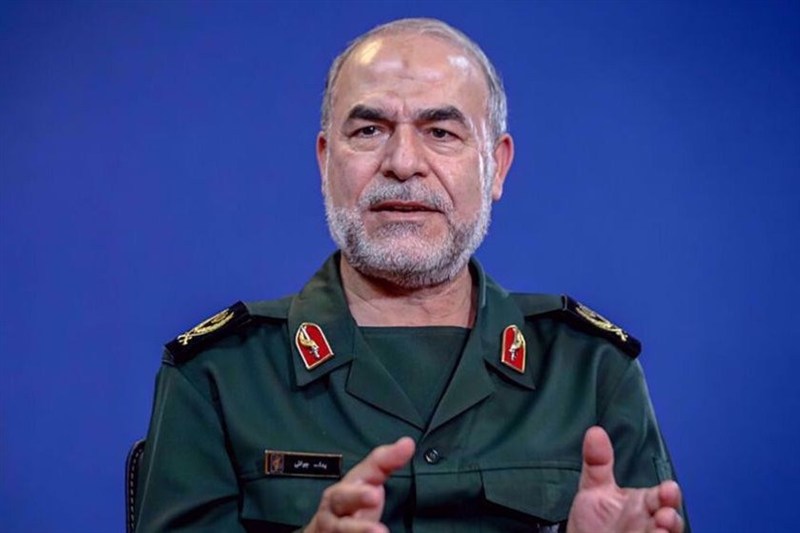
Brigadier General Yadollah Javani, the political deputy to the chief commander of Iran’s Islamic Revolutionary Guard Corps (IRGC), recently shared alarming insights in an interview with the Arabic-language news outlet Al-Alam. He cautioned that U.S. and allied assets might become prime targets if there are attacks on Iranian infrastructure. This marks a critical moment in middle eastern geopolitics, especially concerning the ongoing tensions between Iran and Western nations.
Strategic Importance of Undersea Fiber-Optic Cables
Undersea fiber-optic cables play a vital role in global data transmission, serving as the backbone for international communications. These networks are essential for various sectors, including businesses that rely heavily on uninterrupted connectivity. Damage to these cables has the potential to disrupt data flows, which would significantly affect digital services and impose severe economic costs upon businesses and countries dependent on these crucial links. Such vulnerabilities highlight the strategic importance of safeguarding these assets to prevent any significant operational disruptions.
Iran’s Defensive Successes and Regional Dynamics
In the face of mounting adversities, General Javani remarked on Iran’s successful defense posture during challenging times. He suggested that both the United States and the Israeli regime faced unexpected setbacks. This sense of victory appears to have bolstered Tehran’s resolve, motivating it to consider a more assertive military strategy. Javani emphasized that Iran’s enemies are likely to find it challenging to come to terms with their losses, compelling Tehran to adopt a methodical approach that could include offensive measures.
Enhancing Deterrence Against U.S. Aggression
The Iranian military is now focusing on improving its deterrence capabilities to ward off any potential U.S. attacks. General Javani asserted that Iran’s readiness to carry out offensive operations against the U.S., European nations, and their allies has become increasingly evident. He referenced the destruction of certain U.S. military bases in the region and warned that even assets situated farther away could be at risk. This strategic posture is intended to send a clear message to Washington and its partners, signaling that any aggression against Iran could lead to retaliatory actions that would jeopardize their interests.
Escalating Tensions Between Iran and the West
Javani’s statements come at a time of escalating tensions between Iran, the United States, and Israel. Iranian officials have consistently warned that renewed acts of aggression on Iranian soil or infrastructure would carry severe consequences for American strategic interests in the Middle East. The rhetoric underscores the precarious nature of regional stability, with both sides engaging in a battle of narratives that risk spiraling into larger confrontations.
In summary, Brigadier General Yadollah Javani’s remarks reflect a crucial turning point in Iran’s military strategy and its response to perceived threats. As the geopolitical landscape continues to evolve, the stakes remain high for both Iran and its adversaries in the region. The focus on undersea infrastructure and the strategic implications of military readiness indicate that this situation is far from resolved, with potential repercussions that could affect global communications and economic stability.