
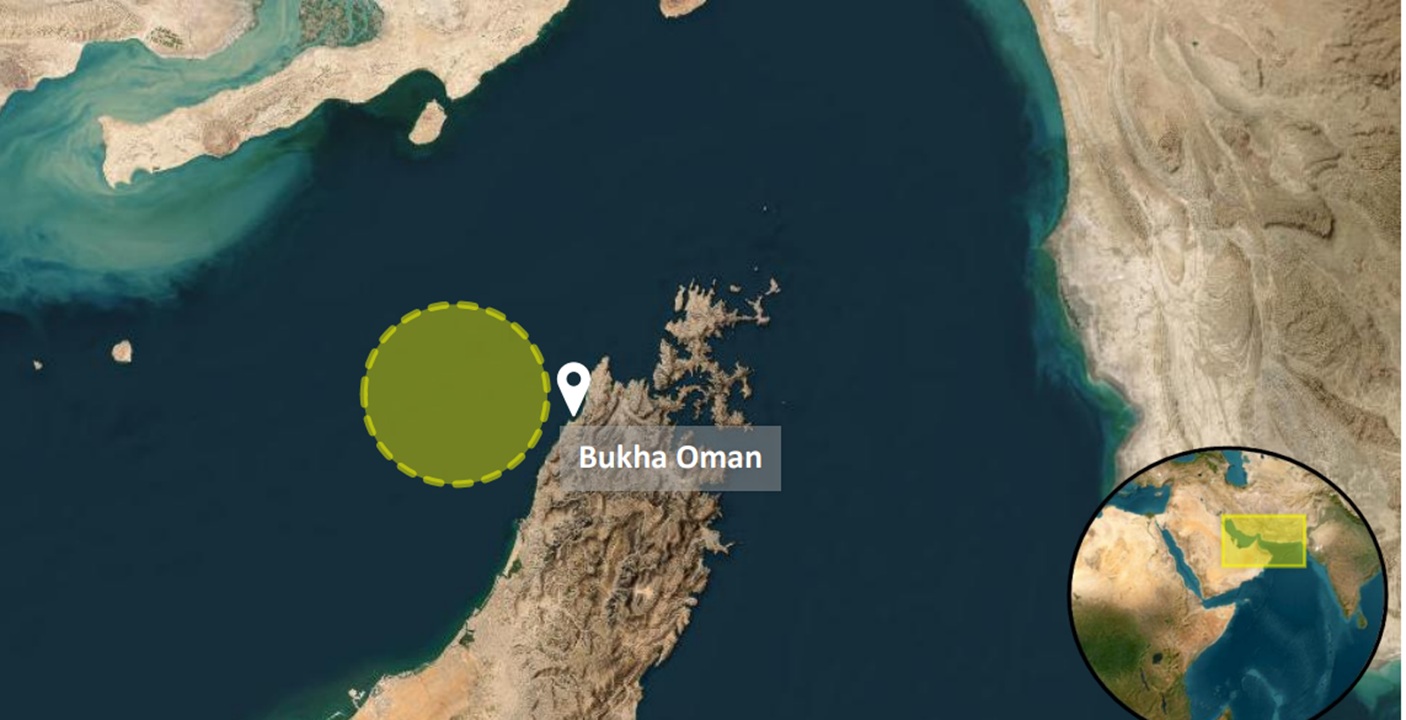
Commercial maritime activities in the Gulf region are facing significant challenges as targeted attacks on shipping vessels continue, albeit at a reduced frequency compared to earlier in the month. The ongoing tensions highlight the vulnerabilities of commercial shipping routes and the need for enhanced security measures.
The Current Landscape of Shipping Security in the Gulf
Despite a slight easing in the number of attacks, the Gulf remains a hotspot for maritime threats. Reports indicate that commercial shipping operations are still under the risk of being targeted by various attacks, causing concern among shipping companies and international maritime organizations. The shifting dynamics in the region underscore the potential for escalated threats, emphasizing the need for vigilance among maritime operators.
Recent Incidents and Their Implications
In recent weeks, the Gulf has witnessed a series of incidents involving vessel attacks, raising alarms over the safety of maritime trade. The first half of the month saw a notable spike in aggressive actions against shipping operations. Although currently witnessing a slowdown, experts warn that the risk level remains high, necessitating a robust response from the global shipping community.
Reevaluating safety protocols is crucial for mitigating these risks. Shipping companies must adopt comprehensive security measures that may include increased surveillance, real-time monitoring, and collaboration with maritime security agencies. Ensuring a proactive approach could help minimize the impact of any future incidents.
The Role of International Collaboration
Addressing the challenges posed by maritime threats in the Gulf involves international cooperation among naval forces, shipping companies, and regional governments. Strengthening alliances can significantly enhance the effectiveness of countermeasures, resulting in improved security protocols for vessels operating in these high-risk areas.
Organizations such as the United Nations and regional coalitions have a pivotal role in fostering dialogue and coordination among nations. By sharing intelligence and best practices, stakeholders can better prepare for and respond to emerging threats in the maritime domain.
A Call to Action for Shipping Companies
As commercial shipping continues to navigate through these turbulent waters, there is a pressing need for companies to prioritize safety over operational expediency. The risks involved necessitate rigorous risk assessments and contingency planning to safeguard assets and personnel.
Investing in advanced technology for tracking and monitoring vessels can provide shipping companies with a strategic advantage. By leveraging satellite communications and real-time data analytics, organizations can bolster their defensive strategies against potential threats.
In conclusion, while the pace of maritime attacks in the Gulf has slowed, the need for vigilance remains imperative. Shipping companies must proactively adapt to the evolving security landscape by reinforcing protocols and fostering international partnerships to secure maritime trade routes effectively.